

Schinia Simplex
schinia simplex
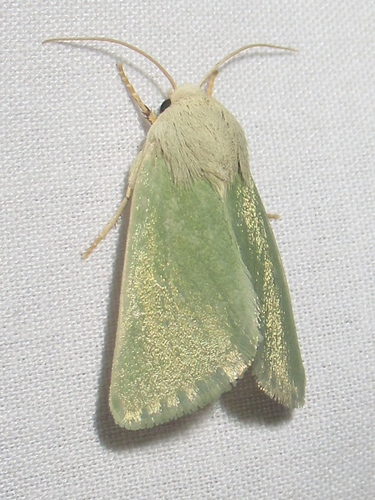
Schinia simplex, auch bekannt als Prärie-Blütenmotte, ist eine spezialisierte nacht- und tagaktive Motte, die in den sandigen Grasländern und Prärien des zentralen Nordamerikas beheimatet ist. Dieses faszinierende Insekt gehört zur Familie der Noctuidae und ist bekannt für seinen hochspezialisierten Lebenszyklus, der eng mit den einheimischen Trichterwindenarten verknüpft ist. Anders als viele andere Mottenarten, die tagsüber völlig verborgen bleiben, ist diese Motte oft ruhend in den Blüten ihrer Wirtspflanzen zu finden, wo sie sowohl Schutz als auch eine reichliche Nahrungsquelle genießt.
Lebensraum: Zu finden in trockenen, sandigen Prärien, Dünen und offenen Grasländern, wo ihre primären Larvenwirtspflanzen wachsen.
Die erwachsene Schinia simplex weist eine bescheidene Flügelspannweite von etwa 2,2 bis 2,8 Zentimetern auf. Ihre Vorderflügel haben eine relativ einheitliche, sanfte ockerbraune oder hellbeige Farbe und zeigen gelegentlich sehr schwache, leicht dunklere Querlinien, die ohne Vergrößerung schwer zu erkennen sein können. Die Hinterflügel sind merklich dunkler und weisen eine rauchig-bräunlich-graue oder dunkelbraune Färbung auf, die von einem helleren Saum begrenzt wird. Ihre subtile, verwaschene Färbung bietet hervorragende Tarnung, wenn sie an trockenen Präriegräsern oder in den hellen, röhrenförmigen Blütenkelchen verblühter Blumen ruht.
Kategorie
InsektenSeltenheit
Common
Gefahr
1/5 · Sehr gering
Snaps
2
Da sie so perfekt mit dem Inneren der Trichterwindenblüten verschmelzen, finden Forscher sie oft einfach, indem sie in die tief rosafarbenen bis violetten Röhren der Blüten spähen.
Die Raupen ernähren sich von energiereichen Samen im Inneren der zähen Trichterwinden-Fruchthülsen, wodurch sie schnell wachsen können, während sie vor den rauen Winden der Great Plains geschützt sind.
Diese Mottenart besitzt eine unglaublich präzise innere Uhr und schlüpft aus ihrem unterirdischen Puppenstadium genau dann, wenn ihre Wirtspflanze im Hochsommer blüht.
Erwachsene Tiere verstecken sich tagsüber gut sichtbar in den Blüten der Trichterwinden, wobei sie die hellen Farbtöne der inneren Blütenblätter imitieren, um räuberischen Vögeln zu entgehen.
Puppen durchlaufen eine Diapause unter der Erde und schlüpfen als Erwachsene genau dann, wenn ihre spezifische Wirtspflanze ihren jährlichen Sommerblütezyklus beginnt.
Raupen graben sich direkt in sich entwickelnde Samenhülsen ein und fressen sicher von innen, wo sie vor vielen externen Raubtieren geschützt sind.
Larven ernähren sich intern von den Knospen, Blüten und Samenkapseln der Trichterwinden, während erwachsene Tiere Nektar von verschiedenen Prärie-Wildblumen aufnehmen.
Altersunterschiede: Larven sind reine samen- und blütenbohrende Pflanzenfresser, während erwachsene Tiere zu einer flüssigen Nektardiät übergehen.
Ipomoea leptophylla
Die Raupe von Schinia simplex ernährt sich fast ausschließlich von den Samen, Knospen und Blüten der Busch-Trichterwinde, die als obligate Larvenwirtspflanze dient.
Peucetia viridans
Beim Besuch von Blüten werden erwachsene Schinia simplex Motten häufig von Lauerjägern erbeutet, die auf oder in den Blüten warten.
.jpg&width=800)
Tyrannus verticalis
Aktive erwachsene Motten, die in der Nähe ihrer Wirtspflanzen fliegen, sind Beute für insektenfressende Prärievögel.
Für dieses Objekt sind noch keine Merkmal-Badges vergeben.
Noch keine Alternativnamen vorhanden.
Sammlungen für dieses Objekt erscheinen hier, wenn weitere Themen hinzugefügt werden.
Gefahr
1/5 · Sehr gering
Noch keine besonderen Sicherheitshinweise.
Der einfachste Weg, Schinia Simplex zu bestimmen, ist die Verwendung der Naturführer-App Snappit.
Larven ernähren sich intern von den Knospen, Blüten und Samenkapseln der Trichterwinden, während erwachsene Tiere Nektar von verschiedenen Prärie-Wildblumen aufnehmen.
Zu finden in trockenen, sandigen Prärien, Dünen und offenen Grasländern, wo ihre primären Larvenwirtspflanzen wachsen.
Weiden
Zoome hinein, um Cluster aufzulösen und zu sehen, wo dieses Objekt fotografiert wurde.
Nimm die Entdeckung mit
Fotografiere deinen Fund mit Snappit, bestimme die Art und füge die Entdeckung deiner Sammlung hinzu.













.jpg&width=800)




