




Silpha carinata
Silpha carinata
Die Silpha carinata, auch bekannt als Schwarzglänzender Aaskäfer, ist ein glänzendes schwarzes Insekt, das gerne den Boden erkundet. Sie hat einen langen Körper und ist oft in Laubstreu oder unter Baumstämmen zu finden.
Lebensraum: Wälder
Die Silpha carinata ist ein abgeflachter, ovaler Käfer, typischerweise 12-20 mm lang. Er ist meist matt schwarz, hat aber eine auffällige, große rötlich-orange oder gelb-orange Platte (Pronotum) hinter dem Kopf, oft mit einem dunkleren zentralen Fleck. Seine Flügeldecken sind deutlich gerippt.
Kategorie
InsektenSeltenheit
Common
Gefahr
1/5 · Sehr gering
Snaps
Mach den ersten Snap!
Wussten Sie, dass sein wissenschaftlicher Name 'carinata' 'gekielt' bedeutet, wegen seines gerippten Rückens?
Einige seiner Verwandten können tatsächlich kleine Tierkörper unter der Erde vergraben, um Nahrung zu finden!
Das Studium dieser Käfer hilft Wissenschaftlern zu verstehen, wie die Natur sich selbst reinigt!
Dieser Käfer wird manchmal 'Aaskäfer' genannt, weil er gerne tote Dinge frisst!
Silpha carinata kann tote Tiere und Pflanzen aufgrund ihres spezialisierten Verdauungssystems zersetzen und so zur Nährstoffrückführung beitragen.
Silpha carinata kann aufgrund spezieller Drüsen übelriechende Chemikalien aus ihrem Hinterteil abgeben, was ihr hilft, hungrige Fressfeinde abzuschrecken.
Silpha carinata besitzt superempfindliche Fühler, die ihr helfen, den Geruch von verrottendem Material aus großer Entfernung aufzuspüren.
Dieser Käfer ist ein Reinigungsexperte, der tote Tiere, Pilze und manchmal sogar andere Insekten frisst!
Altersunterschiede: Larven ernähren sich hauptsächlich von Aas; Erwachsene können auch andere kleine Wirbellose jagen.
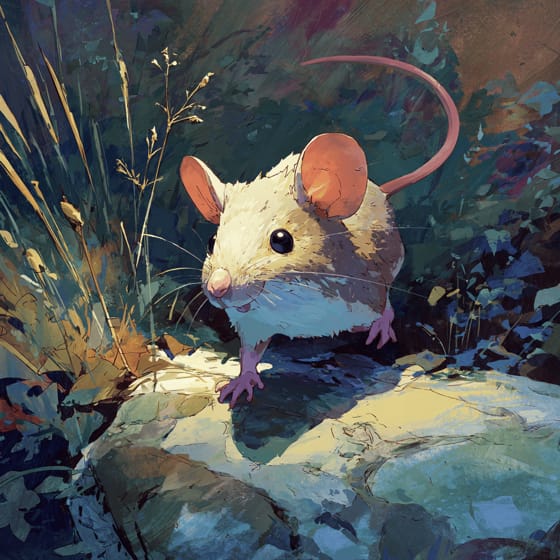
Mus musculus
verwertet ihre toten Körper
Lucilia sericata
jagt ihre Maden auf Aas
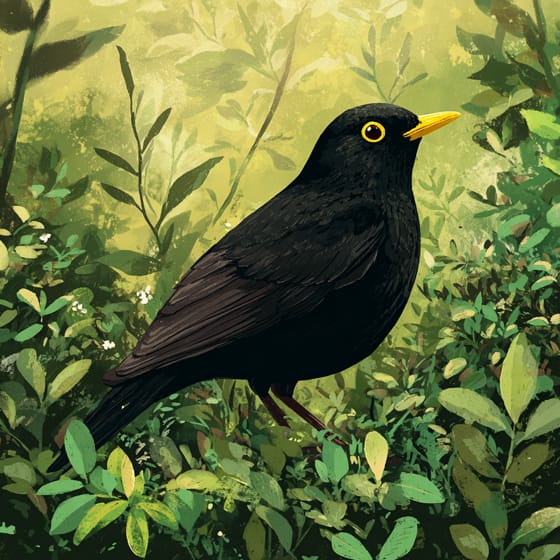
Turdus merula
kann Beute für bodenfressende Vögel sein

Sorex araneus
kann Beute für kleine, insektenfressende Säugetiere sein
Einzelgänger leben den größten Teil ihres Lebens allein und interagieren mit Artgenossen nur zur Paarung oder zur Aufzucht der Jungen.
Aasfresser ernähren sich von toter organischer Substanz und helfen dabei, Kadaver und andere Abfälle im Ökosystem abzubauen.
Waldlebensräume sind terrestrische Lebensräume, die von dichtem Baumbestand dominiert werden und eine große Vielfalt an Pflanzen- und Tierarten beherbergen.
Beschreibt Organismen, die totes organisches Material abbauen und Nährstoffe in das Ökosystem zurückführen.

Bezieht sich auf Arten, die deutlich kleiner sind als der Durchschnitt oder das Typische ihrer Art.

Dieses Merkmal kennzeichnet Lebewesen, die bei der Jagd, Flucht oder Fortbewegung eine außergewöhnliche Schnelligkeit aufweisen.
Noch keine Alternativnamen vorhanden.
Gefahr
1/5 · Sehr gering
Seien Sie vorsichtig und achten Sie darauf, wohin Sie treten, um kleine Insekten wie diesen Käfer nicht zu verletzen.
Der einfachste Weg, Silpha carinata zu bestimmen, ist die Verwendung der Naturführer-App Snappit.
25-40 mm
12-20 mm
30-90 Tage
Dieser Käfer ist ein Reinigungsexperte, der tote Tiere, Pilze und manchmal sogar andere Insekten frisst!
Wälder
Aasfressen
6
Zoome hinein, um Cluster aufzulösen und zu sehen, wo dieses Objekt fotografiert wurde.
Neueste Snaps erscheinen hier, wenn neue Beobachtungen hinzukommen.
Nimm die Entdeckung mit
Fotografiere deinen Fund mit Snappit, bestimme die Art und füge die Entdeckung deiner Sammlung hinzu.









.jpg&width=800)



