

Sminthurinus Minutus
sminthurinus minutus
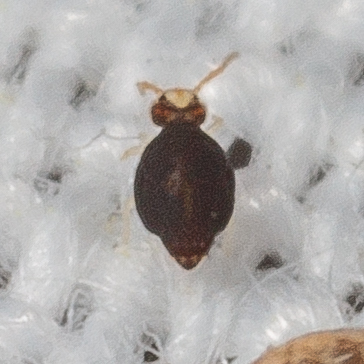
Sminthurinus minutus ist ein bemerkenswertes, aber oft übersehenes Mitglied der Mikrowelt unter unseren Füßen. Dieser winzige Sechsfüßer, der zu den Kugelspringern (Ordnung Symphypleona) gehört, sieht aus wie eine mikroskopische, farbenfrohe Kugel, die zwischen verrottenden Blättern herumhuscht. Obwohl eng mit Insekten verwandt, gehören Springschwänze zu einer eigenständigen Linie, bekannt als Entognatha, und besitzen interne Mundwerkzeuge, die für das Grasen auf mikroskopischen Pilzen und Detritus angepasst sind. Was diese Art wirklich faszinierend macht, ist ihre spektakuläre Fortbewegungs- und Feindvermeidungsstrategie. Bei Bedrohung löst sie ein federbelastetes Anhängsel unter ihrem Hinterleib aus und katapultiert sich in Bruchteilen einer Sekunde in die Luft. Als wesentlicher Bestandteil von Bodenökosystemen hilft Sminthurinus minutus, das Pilzwachstum zu regulieren und organische Substanz abzubauen, und spielt eine entscheidende, unsichtbare Rolle im globalen Nährstoffkreislauf.
Lebensraum: Findet sich hauptsächlich in feuchten Mikrohabitaten wie dichter Laubstreu, verrottendem Holz, feuchtem Boden und zwischen Moosen in Wäldern und gemäßigten Gärten.
Mit einer Länge von kaum 1 Millimeter besitzt Sminthurinus minutus einen charakteristischen kugelförmigen, tränenförmigen Körper, dem Flügel fehlen. Seine Färbung ist oft dunkel, von tiefbraun über violett bis gesprenkelt schwarz reichend, manchmal mit subtilen helleren Flecken, die im Boden Tarnung bieten. Er besitzt ein markantes, segmentiertes Antennenpaar, das er ständig gegen das Substrat tippt, und einfache Augen, sogenannte Ocellen, die als dunkle Flecken an den Seiten seines Kopfes sichtbar sind. Unter seinem abgerundeten Hinterleib befindet sich ein spezialisiertes, gegabeltes Anhängsel, bekannt als Furca, das durch einen mikroskopischen Fangmechanismus (das Tenaculum) unter Spannung gehalten wird, bis es zum Springen benötigt wird.
Kategorie
AnimalSeltenheit
Gewöhnlich
Gefahr
1/5 · Sehr gering
Snaps
Mach den ersten Snap!
Ein Sminthurinus minutus kann seinen Körper während eines Sprungs schneller beschleunigen als ein Wimpernschlag und erlebt dabei G-Kräfte, die für einen Menschen sofort tödlich wären.
Obwohl sie häufig als 'Schneeflöhe' oder 'Bodenschädlinge' bezeichnet werden, sind Springschwänze technisch keine Insekten; sie gehören zu einer parallelen evolutionären Linie namens Entognatha.
Sie sind so außergewöhnlich winzig, dass Hunderte von ihnen bequem auf die Oberfläche einer kleinen Münze passen würden.
Sie häuten sich (durchlaufen eine Metamorphose) ihr ganzes Leben lang, auch nachdem sie die Geschlechtsreife erreicht haben, was ein seltenes Merkmal in der breiteren Arthropodenwelt ist.
Es nutzt ein schwanzähnliches, federbelastetes Anhängsel namens Furca, um sich sofort um ein Vielfaches seiner eigenen Körperlänge in die Luft zu katapultieren und Raubtieren zu entkommen.
Es besitzt ein einzigartiges ventrales Röhrchen, Collophor genannt, das als winziger Schwamm fungiert, um Umgebungsfeuchtigkeit aufzunehmen und ein strenges osmotisches Gleichgewicht aufrechtzuerhalten.
Sein Exoskelett ist mit mikroskopisch kleinen, wasserabweisenden Haaren und Strukturen bedeckt, die verhindern, dass es in Wassertröpfchen ertrinkt, und es ihm ermöglichen, auf der Oberflächenspannung von Pfützen zu gehen.
Es ernährt sich stark von verrottender organischer Substanz, Pilzhyphen und mikroskopischen Organismen im Boden.
Altersunterschiede: Nymphen konsumieren genau die gleichen Arten von Nahrung wie erwachsene Tiere, nur mit kleineren Partikelgrößen.
Stratiolaelaps scimitus
Raubmilben jagen und fressen aktiv kleine Springschwänze in Boden- und Kompostumgebungen.
Erigone atra
Zwergspinnen weben kleine Netze oder lauern aktiv winzigen Arthropoden wie Springschwänzen in der Laubstreu auf.
Trichoderma harzianum
Springschwänze grasen stark auf dem Myzel und den Sporen häufiger Bodenpilze und helfen so, deren Ausbreitung zu kontrollieren und Sporen zu verteilen.
Für dieses Objekt sind noch keine Merkmal-Badges vergeben.
Noch keine Alternativnamen vorhanden.
Sammlungen für dieses Objekt erscheinen hier, wenn weitere Themen hinzugefügt werden.
Gefahr
1/5 · Sehr gering
Noch keine besonderen Sicherheitshinweise.
Beginne mit der Körperform, den Beinen oder Flossen, Fell, Federn oder Schuppen und auffälligen Zeichnungen. Berücksichtige dann Größe, Lebensraum und den Ort, an dem du das Tier gesehen hast. Jungtiere und saisonale Felle können ganz anders aussehen als die bekannten erwachsenen Tiere. Tiere bestimmen: Lade ein Foto hoch und vergleiche die sichtbaren Merkmale.
0 cm
1e-8-5e-8 kg
0-1 Jahre
Es ernährt sich stark von verrottender organischer Substanz, Pilzhyphen und mikroskopischen Organismen im Boden.
Findet sich hauptsächlich in feuchten Mikrohabitaten wie dichter Laubstreu, verrottendem Holz, feuchtem Boden und zwischen Moosen in Wäldern und gemäßigten Gärten.
Nahrungssuche
5-40
Zoome hinein, um Cluster aufzulösen und zu sehen, wo dieses Objekt fotografiert wurde.
Neueste Snaps erscheinen hier, wenn neue Beobachtungen hinzukommen.
Nimm die Entdeckung mit
Fotografiere deinen Fund mit Snappit, bestimme die Art und füge die Entdeckung deiner Sammlung hinzu.