





Stenocranus
Stenocranus
Stenocranus ist ein kleines, farbenfrohes Insekt, das gerne in Gärten und Feldern herumhüpft. Sie sind für ihre einzigartige Form bekannt und können oft auf Blättern ruhend gefunden werden.
Lebensraum: Graslandschaften
Die Stenocranus ist ein schlankes, kleines Insekt, typischerweise strohgelb bis hellbraun, mit zarten, klaren Flügeln, die zeltartig über dem Rücken gehalten werden. Ihr Kopf ist oft subtil spitz zulaufend, was ihr hilft, sich nahtlos in Grashalme einzufügen.
Kategorie
InsektenSeltenheit
Common
Gefahr
1/5 · Sehr gering
Snaps
Mach den ersten Snap!
Wussten Sie, dass einige Stenocranus-Arten tatsächlich rückwärts gehen, um Fressfeinde zu täuschen?
Auch mit Flügeln bevorzugen viele Stenocranus, eine überraschende Distanz zu springen, anstatt wegzufliegen!
Ihre winzigen Babys, Nymphen genannt, tragen oft flauschige weiße Schwänze aus Wachs!
Diese Insekten können miteinander 'singen', indem sie die Pflanzen, auf denen sie sich befinden, vibrieren lassen – eine Geheimsprache!
Stenocranus kann dank starker Hinterbeine überraschend weit springen, was ihnen hilft, Fressfeinden schnell zu entkommen.
Stenocranus hat einen schlanken Körper und strohähnliche Farben, die ihm helfen, sich nahtlos in die Gräser einzufügen, auf denen er lebt.
Stenocranus kann Pflanzenstiele durchdringen, dank seines spezialisierten Rüssels, der ihm hilft, zuckerhaltigen Saft als Nahrung zu erreichen.
Winzige Stenocranus schlürfen süßen Pflanzensaft mit einem speziellen strohhalmartigen Mundwerkzeug!
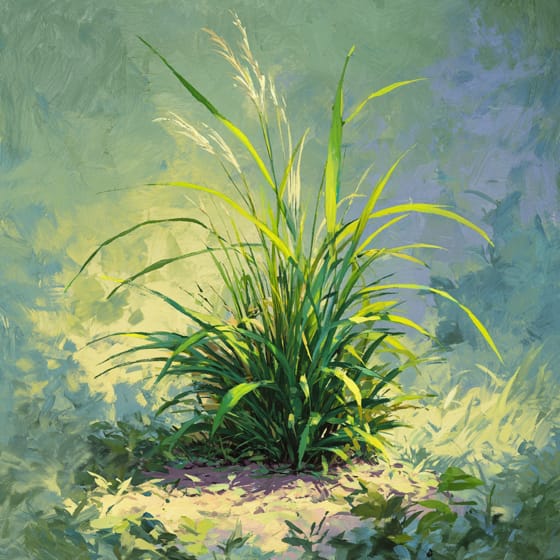
Poa pratensis
Ernährt sich von Saft aus seinen Stängeln.
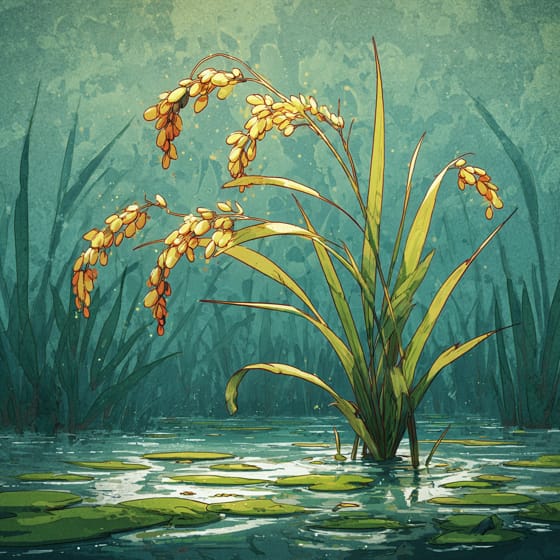
Oryza sativa
Kann Reissaft trinken und wird manchmal zu einem Schädling.
Misumena vatia
Lauert ihnen von Blumen und Blättern auf.
Anagrus atomus
Winzige Feenfliegen legen Eier in Stenocranus-Eier.
Einzelgänger leben den größten Teil ihres Lebens allein und interagieren mit Artgenossen nur zur Paarung oder zur Aufzucht der Jungen.
Farbenfroh beschreibt Organismen oder Objekte, die eine große Vielfalt an leuchtenden und deutlich erkennbaren Farben aufweisen.
Getarnt beschreibt Organismen, die über eine Färbung oder Musterung verfügen, durch die sie mit ihrer Umgebung verschmelzen.
Grasland-Lebensräume sind terrestrische Biome, die von Gräsern und krautigen Pflanzen dominiert werden und einer Vielzahl von Weidetieren als Lebensraum dienen.

Dieses Merkmal kennzeichnet Lebewesen, deren Ernährung vollständig oder hauptsächlich aus pflanzlichem Material besteht.

Bezieht sich auf Arten, die deutlich kleiner sind als der Durchschnitt oder das Typische ihrer Art.

Dieses Merkmal kennzeichnet Lebewesen, die bei der Jagd, Flucht oder Fortbewegung eine außergewöhnliche Schnelligkeit aufweisen.

Tagaktive Tiere sind hauptsächlich bei Tageslicht aktiv und ruhen oder schlafen in der Regel nachts.

Beschreibt Organismen, die Pollen übertragen und so die Befruchtung und Fortpflanzung von Pflanzen ermöglichen.
Noch keine Alternativnamen vorhanden.
Gefahr
1/5 · Sehr gering
Es ist am besten, Stenocranus aus der Ferne zu beobachten und sie nicht zu berühren, da sie empfindlich sind.
Der einfachste Weg, Stenocranus zu bestimmen, ist die Verwendung der Naturführer-App Snappit.
6-12 mm
3-6 mm
30-60 Tage
Winzige Stenocranus schlürfen süßen Pflanzensaft mit einem speziellen strohhalmartigen Mundwerkzeug!
Graslandschaften
Futtersuche
6
Zoome hinein, um Cluster aufzulösen und zu sehen, wo dieses Objekt fotografiert wurde.
Neueste Snaps erscheinen hier, wenn neue Beobachtungen hinzukommen.
Nimm die Entdeckung mit
Fotografiere deinen Fund mit Snappit, bestimme die Art und füge die Entdeckung deiner Sammlung hinzu.






.jpg&width=800)



