





Tachinus corticinus
Tachinus corticinus
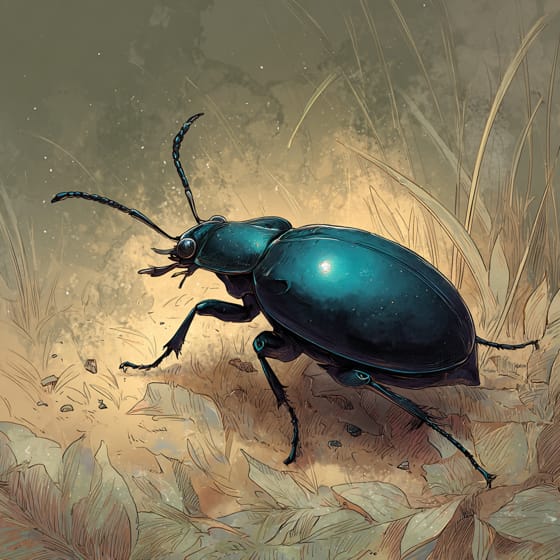
Der Tachinus corticinus ist ein kleiner Käfer, der sich gerne unter Baumrinde versteckt. Er hat einen glänzenden Körper und ist oft in Wäldern oder Gärten zu finden, wo er hilft, verrottendes Holz abzubauen.
Lebensraum: Wälder
Der Tachinus corticinus ist ein kleiner, schlanker Kurzflügler, typischerweise dunkelbraun bis schwarz mit rötlich-braunen Beinen und Antennen. Sein markantestes Merkmal sind seine sehr kurzen Flügeldecken (Elytren), die den größten Teil seines segmentierten Hinterleibs freilassen und ihm ein längliches, sich verjüngendes Aussehen verleihen.
Kategorie
InsektenSeltenheit
Common
Gefahr
1/5 · Sehr gering
Snaps
Mach den ersten Snap!
Baby Tachinus corticinus sehen aus wie winzige Würmer, sind aber schnelle Raubtiere, genau wie ihre Eltern!
Selbst mit kurzen Flügeldecken ist dieser Käfer ein kräftiger Flieger, der durch den Wald schwebt!
Wenn er gestört wird, kann er seinen Schwanz wie ein Skorpion hochhalten, was Raubtiere abschrecken könnte!
Diese Käfer sind wie kleine Reinigungstrupps, die helfen, abgestorbene Dinge in der Natur abzubauen.
Dieser Käfer ist ein Allesfresser, der an verrottenden Pflanzen und winzigen Insekten, die in Waldabfällen gefunden werden, knabbert.
Folsomia candida
Jagt diese winzigen Arthropoden in der Laubstreu.

Sorex araneus
Kann Beute für Spitzmäuse sein, die auf dem Waldboden nach Nahrung suchen.
Carabus nemoralis
Größere räuberische Laufkäfer können sie jagen.
Einzelgänger leben den größten Teil ihres Lebens allein und interagieren mit Artgenossen nur zur Paarung oder zur Aufzucht der Jungen.
Waldlebensräume sind terrestrische Lebensräume, die von dichtem Baumbestand dominiert werden und eine große Vielfalt an Pflanzen- und Tierarten beherbergen.
Beschreibt Organismen, die totes organisches Material abbauen und Nährstoffe in das Ökosystem zurückführen.
Bezieht sich auf Arten, die deutlich kleiner sind als der Durchschnitt oder das Typische ihrer Art.

Beschreibt eine Art, deren Anwesenheit und Rolle einen unverhältnismäßig großen Einfluss auf ihre Umwelt haben.

Beschreibt Organismen, die Pollen übertragen und so die Befruchtung und Fortpflanzung von Pflanzen ermöglichen.
Noch keine Alternativnamen vorhanden.
Gefahr
1/5 · Sehr gering
Diese Käfer sind harmlos, aber es ist am besten, sie anzusehen, ohne sie zu berühren.
Der einfachste Weg, Tachinus corticinus zu bestimmen, ist die Verwendung der Naturführer-App Snappit.
8-14 mm
4-7 mm
30-90 Tage
7 km/h
Dieser Käfer ist ein Allesfresser, der an verrottenden Pflanzen und winzigen Insekten, die in Waldabfällen gefunden werden, knabbert.
Wälder
Suche
Zoome hinein, um Cluster aufzulösen und zu sehen, wo dieses Objekt fotografiert wurde.
Neueste Snaps erscheinen hier, wenn neue Beobachtungen hinzukommen.
Nimm die Entdeckung mit
Fotografiere deinen Fund mit Snappit, bestimme die Art und füge die Entdeckung deiner Sammlung hinzu.









.jpg&width=800)


