





Taeniaptera Trivittata
taeniaptera trivittata
Die Taeniaptera Trivittata ist ein farbenfrohes und faszinierendes Insekt, das in Gärten herumflattert. Ihre leuchtenden Farben machen sie leicht zu entdecken und interessant zu beobachten!
Lebensraum: Gärten, Wälder und Wiesen.
Die Taeniaptera Trivittata ist eine schlanke, schwarzleibige Fliege mit unglaublich langen, dünnen Beinen, die oft hochgehalten werden. Ihre klaren Flügel weisen deutliche dunkle Bänder und Flecken auf, während ihr Hinterleib subtile gelbliche Markierungen aufweisen kann, was ihr ein auffälliges, fast wespenartiges Aussehen verleiht.
Kategorie
InsektenSeltenheit
Common
Gefahr
1/5 · Sehr gering
Snaps
1
Baby-Taeniaptera Trivittata sind Larven, die sich von faulenden Pflanzen im Holz ernähren.
Anstatt wegzufliegen, 'tanzen' sie oft, um hungrige Vögel oder Eidechsen zu verwirren.
Diese Fliegen werden wegen ihrer superlangen Beine auch 'Stelzenfliegen' genannt!
Sie nutzen ihre erstaunliche Mimikry, um sogar intelligente Raubtiere wie Springspinnen zu täuschen!
Die Taeniaptera Trivittata kann Raubtiere vermeiden, indem sie Wespen imitiert und mit ihrer Färbung und ihren charakteristischen Beinbewegungen wie ein gefährlicheres Insekt aussieht.
Die Taeniaptera Trivittata hat unglaublich lange, zarte Beine, die ihr helfen, einen einzigartigen 'Stelzenlauf-Tanz' aufzuführen, um hungrige Raubtiere zu verwirren.
Die Taeniaptera Trivittata kann ihre Vorderbeine in der Luft bewegen, sodass sie wie Fühler aussehen, was ihre überzeugende Ameisen- oder Wespenverkleidung vervollständigt.
Erwachsene genießen süßen Nektar, während ihre Larven die kleinen Recycler der Natur sind und sich von verrottenden Pflanzen ernähren.
Altersunterschiede: Larven ernähren sich von verrottendem Holz und anderem Pflanzenmaterial, während erwachsene Tiere hauptsächlich Nektar und Pflanzensaft aufnehmen.
Phidippus audax
eine häufige Springspinne, die Fliegen jagt
Tyrannus melancholicus
ein häufiger insektenfressender Vogel in ihrem Lebensraum
Musa acuminata
Larven ernähren sich von verrottenden Bananenstämmen und -früchten
Heliconia psittacorum
Erwachsene besuchen ihre Blüten für Nektar und helfen bei der Bestäubung
Soziale Tiere leben in organisierten Gruppen und kooperieren, um ihr Überleben zu sichern, beispielsweise bei der Nahrungssuche, Verteidigung und Aufzucht der Jungen.
Farbenfroh beschreibt Organismen oder Objekte, die eine große Vielfalt an leuchtenden und deutlich erkennbaren Farben aufweisen.
Waldlebensräume sind terrestrische Lebensräume, die von dichtem Baumbestand dominiert werden und eine große Vielfalt an Pflanzen- und Tierarten beherbergen.
Tagaktive Tiere sind hauptsächlich bei Tageslicht aktiv und ruhen oder schlafen in der Regel nachts.

Beschreibt Organismen, die Pollen übertragen und so die Befruchtung und Fortpflanzung von Pflanzen ermöglichen.
Gefahr
1/5 · Sehr gering
Noch keine besonderen Sicherheitshinweise.
Der einfachste Weg, Taeniaptera Trivittata zu bestimmen, ist die Verwendung der Naturführer-App Snappit.
10-18 mm
6-10 mm
20-40 Tage
5 km/h
Erwachsene genießen süßen Nektar, während ihre Larven die kleinen Recycler der Natur sind und sich von verrottenden Pflanzen ernähren.
Gärten, Wälder und Wiesen.
Nahrungssuche
Zoome hinein, um Cluster aufzulösen und zu sehen, wo dieses Objekt fotografiert wurde.

Georgia, US
Hier kann man sehen Spanisches Moos, Anolis und Auferstehungsfarn.
Führer anzeigen →

Georgia, US
Hier kann man sehen Spanisches Moos, Anolis und Auferstehungsfarn.
Führer anzeigen →
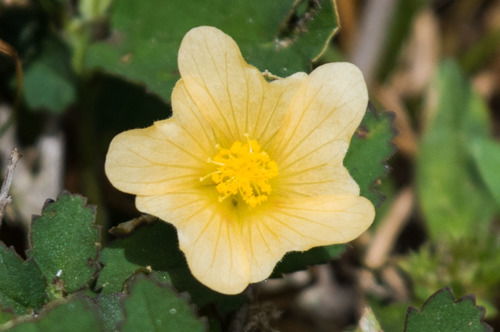
Florida, US
Hier kann man sehen Gewöhnliche Fächerblume, Cook-Kiefer und Portulak.
Führer anzeigen →
Nimm die Entdeckung mit
Fotografiere deinen Fund mit Snappit, bestimme die Art und füge die Entdeckung deiner Sammlung hinzu.








.jpg&width=800)


