_Colocasia_esculenta_-_Les_Martels%2C_Giroussens_Tarn.jpg&width=800)





Taro
colocasia esculenta
Taro ist eine große Blattpflanze, die an warmen, feuchten Orten wächst. Ihre großen, herzförmigen Blätter sind angenehm anzufassen und anzusehen!
Lebensraum: Taro wächst in sumpfigen Gebieten und tropischen Regionen weltweit.
Taro hat enorme, herzförmige bis pfeilförmige Blätter, oft ein auffälliges Grün mit ausgeprägten Adern und manchmal lila oder dunkelrote Stiele. Sein samtiges, wasserabweisendes Laub verleiht ihm ein einzigartiges Aussehen, das sich von anderen großblättrigen Pflanzen unterscheidet.
Kategorie
PflanzenSeltenheit
Common
Gefahr
1/5 · Sehr gering
Snaps
3
Auf Hawaii wird aus zerstampften Taroknollen ein traditionelles Gericht namens Poi zubereitet.
Einige Taro-Sorten haben auffallend schönes lila oder rosa Fruchtfleisch im Inneren!
Taro ist eine der ältesten Kulturpflanzen, die seit Tausenden von Jahren angebaut wird!
Tarowurzeln sind voller Energie, wie ein sehr stärkehaltiges Gemüse.
Tarophagus colocasiae
Ernährt sich vom Saft der Taroblätter und -stiele.
Hippotion celerio
Larven verzehren Taroblätter und verursachen manchmal Entlaubung.

Rattus rattus
Ratten können die stärkehaltigen unterirdischen Knollen beschädigen und fressen.
Apis mellifera
Bienen besuchen möglicherweise Taroblüten, um Nektar und Pollen zu sammeln.
Soziale Tiere leben in organisierten Gruppen und kooperieren, um ihr Überleben zu sichern, beispielsweise bei der Nahrungssuche, Verteidigung und Aufzucht der Jungen.
Farbenfroh beschreibt Organismen oder Objekte, die eine große Vielfalt an leuchtenden und deutlich erkennbaren Farben aufweisen.
Dieses Merkmal kennzeichnet Lebewesen, deren Ernährung vollständig oder hauptsächlich aus pflanzlichem Material besteht.
Waldlebensräume sind terrestrische Lebensräume, die von dichtem Baumbestand dominiert werden und eine große Vielfalt an Pflanzen- und Tierarten beherbergen.

Aquatische Lebensräume umfassen Umgebungen, in denen Organismen überwiegend im Wasser leben, darunter Ozeane, Flüsse, Seen und Feuchtgebiete.
Gefahr
1/5 · Sehr gering
Waschen Sie sich immer die Hände, nachdem Sie Pflanzen berührt haben.
Der einfachste Weg, Taro zu bestimmen, ist die Verwendung der Naturführer-App Snappit.
60-200 cm
50-150 cm
10-30 cm
Sommer
Ja
Mäßig
Mehrjährig
Zoome hinein, um Cluster aufzulösen und zu sehen, wo dieses Objekt fotografiert wurde.

Hawaii, US
Hier kann man sehen Kosters Fluch und Weißbürzel-Schama.
Führer anzeigen →

Georgia, US
Hier kann man sehen östliches Grauhörnchen, Hauskatze und Wanderdrossel.
Führer anzeigen →

Hawaii, US
Hier kann man sehen Weißbürzel-Schama, Kosters Fluch und Roter Knopf-Ingwer.
Führer anzeigen →

US
Hier kann man sehen Sandstein, Schimpanse und Leng.
Führer anzeigen →
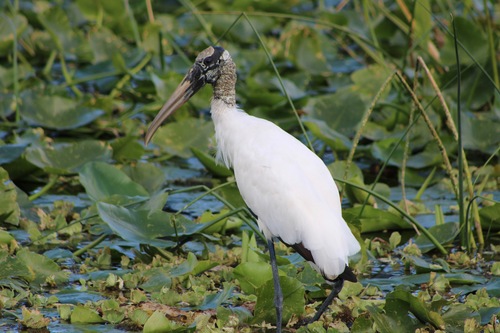
Florida, US
Hier kann man sehen Waldstorch, Brauner Anolis und Taro.
Führer anzeigen →
Nimm die Entdeckung mit
Fotografiere deinen Fund mit Snappit, bestimme die Art und füge die Entdeckung deiner Sammlung hinzu.








.jpg&width=800)



_001.jpg&width=800)




