





Texas-Sacahuiste
Nolina texana
Das Texas-Sacahuiste ist eine hohe Pflanze mit langen, dünnen Blättern, die wie grüne Bänder aussehen. Es wächst an warmen Orten und kann in trockenen Gebieten überleben, was es in Texas besonders macht!
Lebensraum: Wüste
Das Texas-Sacahuiste ist eine büschelige, grasartige Staude mit vielen langen, schmalen, immergrünen Blättern, die steif und manchmal fein gezähnt sind. Es bildet einen hohen, zentralen Blütenstiel mit zahlreichen kleinen, cremeweißen Blüten, was ihm in voller Blüte ein unverwechselbares, luftiges Aussehen verleiht.
Kategorie
PflanzenSeltenheit
Common
Gefahr
2/5 · Gering
Snaps
Mach den ersten Snap!
Seine starken Blätter wurden traditionell von nordamerikanischen Ureinwohnern zum Weben haltbarer Körbe verwendet!
Der Name 'Sacahuiste' stammt von einem aztekischen Wort ab, das wahrscheinlich 'Gras als Futter' bedeutet!
Die Wurzeln dieser Pflanze enthalten eine natürliche seifenartige Substanz namens Saponin!
Diese unglaublich zähe Pflanze kann sehr alt werden, manchmal über 100 Jahre!
Das Texas-Sacahuiste hat tiefe Wurzeln, die in den Boden tauchen, um Wasser zu finden und zu speichern, was ihm hilft, in trockenen Umgebungen zu gedeihen.
Der Wachstumspunkt des Texas-Sacahuiste ist unterirdisch geschützt, so dass es nach Waldbränden schnell wieder austreiben und überleben kann.
Das Texas-Sacahuiste hat zähe, sägezahnartige Blätter, die hungrige Tiere abschrecken und seine wertvollen Ressourcen vor Weidetieren schützen.
Das Texas-Sacahuiste produziert im Frühling zarte Blütenstiele, die geerntet und gegessen werden können und vielen Lebewesen Nahrung bieten.
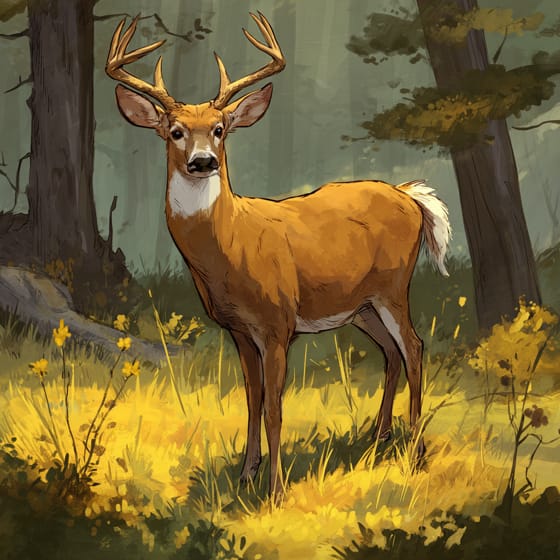
Odocoileus virginianus
Hirsche äsen manchmal an seinen zähen Blättern.
Apis mellifera
Bienen besuchen seine kleinen Blüten für Nektar und Pollen.
Neotoma micropus
Seine dichten Büschel bieten Unterschlupf für Waldratten.
Junco hyemalis
Vögel ernähren sich von seinen kleinen Samen, besonders im Winter.
Grasartige Pflanzen sind krautige Pflanzen, die echten Gräsern optisch ähneln und typischerweise lange, schmale Blätter haben.
Immergrüne Pflanzen behalten ihr Laub das ganze Jahr über und werfen nie alle Blätter auf einmal ab.
Trockenheitstolerante Pflanzen können unter Bedingungen mit begrenzter Wasserverfügbarkeit überleben und gedeihen.
Wüstenlebensräume sind trockene Regionen, die durch extrem geringen Niederschlag und oft extreme Temperaturen gekennzeichnet sind und eine spezialisierte Flora und Fauna beherbergen.

Dieses Merkmal kennzeichnet Organismen mit einer außergewöhnlich langen Lebensspanne im Vergleich zu anderen ihrer Art.

Beschreibt eine Art, deren Anwesenheit und Rolle einen unverhältnismäßig großen Einfluss auf ihre Umwelt haben.
Noch keine Alternativnamen vorhanden.
Gefahr
2/5 · Gering
Seid vorsichtig mit den scharfen Blättern des Texas-Sacahuiste.
Der einfachste Weg, Texas-Sacahuiste zu bestimmen, ist die Verwendung der Naturführer-App Snappit.
60-180 cm
60-150 cm
0.5-1 cm
Spring to early summer
Ja
Keine
Mehrjährig
Zoome hinein, um Cluster aufzulösen und zu sehen, wo dieses Objekt fotografiert wurde.
Neueste Snaps erscheinen hier, wenn neue Beobachtungen hinzukommen.
Nimm die Entdeckung mit
Fotografiere deinen Fund mit Snappit, bestimme die Art und füge die Entdeckung deiner Sammlung hinzu.










.jpg&width=800)



_001.jpg&width=800)


