

Tigrosa annexa
tigrosa annexa
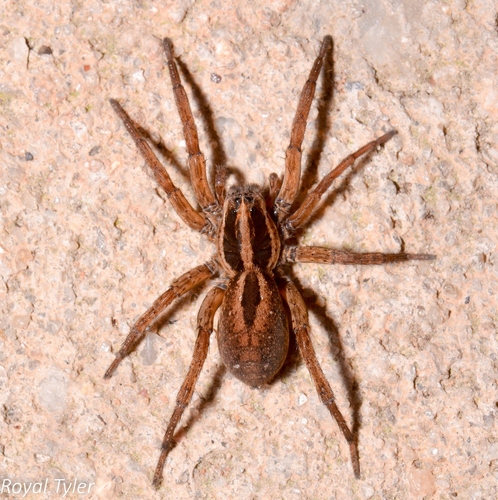
Tigrosa annexa ist eine faszinierende und robuste Wolfsspinnenart, die in ganz Nordamerika vorkommt. Sie gehört zu einer Gattung, deren Name grob übersetzt 'wild wie ein Tiger' bedeutet. Diese Spinnen sind sehr geschickte, wandernde Jäger, die sich nicht auf Netze verlassen, um ihre Beute zu fangen. Stattdessen patrouillieren sie am Boden und nutzen außergewöhnliche Sehfähigkeit, Geschwindigkeit und Agilität, um Beute aufzuspüren. Trotz ihres etwas einschüchternden Namens und ihrer schnellen Bewegungen sind sie für Menschen im Allgemeinen harmlos und scheuen den Kontakt. Sie spielen eine entscheidende ökologische Rolle bei der natürlichen Schädlingsbekämpfung, indem sie Populationen von Heuschrecken, Käfern und landwirtschaftlichen Schädlingen in Schach halten. Eine zu entdecken, die durch das Gras huscht oder ihre Jungen trägt, bietet einen lohnenden Einblick in die komplexe Mikrowelt der bodenbewohnenden Spinnentiere.
Lebensraum: Typischerweise in Grasfeldern, landwirtschaftlichen Flächen, Wiesen und offenen Wäldern zu finden, wo sie aktiv am Boden auf Nahrungssuche gehen oder sich unter Laubstreu und Geröll verstecken.
Tigrosa annexa zeichnet sich durch ein auffälliges, tarnfreundliches Muster aus erdigen Braun-, Schwarz- und Hellbrauntönen aus. Ihr markantestes Merkmal ist ein deutlicher, hellfarbener Streifen, der mittig über ihren dunklen Carapax verläuft, ein Kennzeichen der Gattung Tigrosa. Weibchen sind sichtbar größer und robuster als Männchen und erreichen typischerweise eine Körperlänge von 1,5 bis 2,5 Zentimetern (ohne Beine). Ihre langen, kräftigen Beine sind mit feinen Sinneshaaren bedeckt. Wie alle Wolfsspinnen besitzen sie eine einzigartige Augenanordnung: eine untere Reihe von vier kleinen Augen, zwei hervorstehende, nach vorne gerichtete Augen in der mittleren Reihe und zwei kleinere Augen, die weiter hinten am Kopf positioniert sind.
Kategorie
InvertebrateSeltenheit
Common
Gefahr
1/5 · Sehr gering
Snaps
1
Da sie keine Netze spinnen, verlassen sich Tigrosa annexa vollständig auf seidene Sicherheitsfäden, um Stürze zu verhindern, und auf Seidenröhren oder Verstecke, um tagsüber sicher zu schlafen.
Der Gattungsname 'Tigrosa' wurde 2012 offiziell von Arachnologen geprägt und fasst mehrere große Wolfsspinnen unter einem Namen zusammen, der 'wild wie ein Tiger' bedeutet.
Im Gegensatz zu den meisten Spinnen, die ihre Jungen verlassen, sind weibliche Wolfsspinnen sehr fürsorgliche Mütter, die die Hunderte von Babys, die auf ihrem Hinterleib reiten, heftig verteidigen.
Tigrosa annexa ist ein aktiver, opportunistischer Jäger, der bodenbewohnende Insekten und andere kleine Gliederfüßer jagt.
Altersunterschiede: Spinnenbabys ernähren sich zunächst von winzigen Insekten wie Springschwänzen, Blattläusen und Fruchtfliegen, bis sie groß genug sind, um hartschalige Käfer und Grillen zu erbeuten.
Für dieses Objekt sind noch keine Merkmal-Badges vergeben.
Noch keine Alternativnamen vorhanden.
Sammlungen für dieses Objekt erscheinen hier, wenn weitere Themen hinzugefügt werden.
Gefahr
1/5 · Sehr gering
Noch keine besonderen Sicherheitshinweise.
Der einfachste Weg, Tigrosa annexa zu bestimmen, ist die Verwendung der Naturführer-App Snappit.
1-3 cm
0.001-0.003 kg
1-2 Jahre
2 km/h
Tigrosa annexa ist ein aktiver, opportunistischer Jäger, der bodenbewohnende Insekten und andere kleine Gliederfüßer jagt.
Typischerweise in Grasfeldern, landwirtschaftlichen Flächen, Wiesen und offenen Wäldern zu finden, wo sie aktiv am Boden auf Nahrungssuche gehen oder sich unter Laubstreu und Geröll verstecken.
Verfolgungsjagd
Zoome hinein, um Cluster aufzulösen und zu sehen, wo dieses Objekt fotografiert wurde.
Nimm die Entdeckung mit
Fotografiere deinen Fund mit Snappit, bestimme die Art und füge die Entdeckung deiner Sammlung hinzu.