





Trachysida aspera
Trachysida aspera
Die Trachysida aspera ist eine besondere Käferart mit einer holprigen, rauen Schale. Diese Käfer sind oft in Gärten und Wäldern zu finden, wo sie helfen, abgestorbene Pflanzen abzubauen.
Lebensraum: Wälder
Die Trachysida aspera ist ein mittelgroßer Käfer, typischerweise dunkelbraun bis schwarz, mit einer deutlich rauen und holprigen Textur über ihrem Körper und ihren Flügeldecken. Sie hat sehr lange, schlanke Antennen, die oft länger sind als ihr Körper, was sie von vielen anderen Käfern unterscheidet.
Kategorie
InsektenSeltenheit
Common
Gefahr
1/5 · Sehr gering
Snaps
Mach den ersten Snap!
Erwachsene Trachysida aspera können fliegen, sind aber oft auf Blättern oder Rinde ruhend zu finden.
Es kann bis zu drei Jahre dauern, bis eine Trachysida aspera Larve zu einem erwachsenen Käfer wird.
Ihre Larven werden wegen ihrer einzigartigen Form "Rundkopfbohrer" genannt.
Der wissenschaftliche Name des Käfers bedeutet im Lateinischen "rau-seitig"! Wie cool ist das denn?
Trachysida aspera Larven können dank ihrer starken Mundwerkzeuge zähes Totholz durchbeißen, was ihnen hilft, Nährstoffe zu erhalten.
Trachysida aspera hat extrem lange Antennen, die ihnen helfen, Nahrung, Partner und Fressfeinde in ihrer Umgebung zu erkennen.
Trachysida aspera hat eine raue, rindenähnliche Textur, die ihnen hilft, sich perfekt in Baumstämme einzufügen, um sich vor Vögeln zu verstecken.
Larven nagen an Totholz, während erwachsene Tiere vielleicht Nektar oder Baumsaft naschen.
Altersunterschiede: Larven ernähren sich ausschließlich von verrottendem Holz; erwachsene Tiere können sich von Saft oder Pollen ernähren.
Quercus alba
Larven bohren sich in totes Holz dieser Baumart.
Acer saccharum
Larven ernähren sich auch im verrottenden Holz dieses Baumes.
Dendroica coronata
Erwachsene Käfer können eine Nahrungsquelle für insektenfressende Vögel sein.
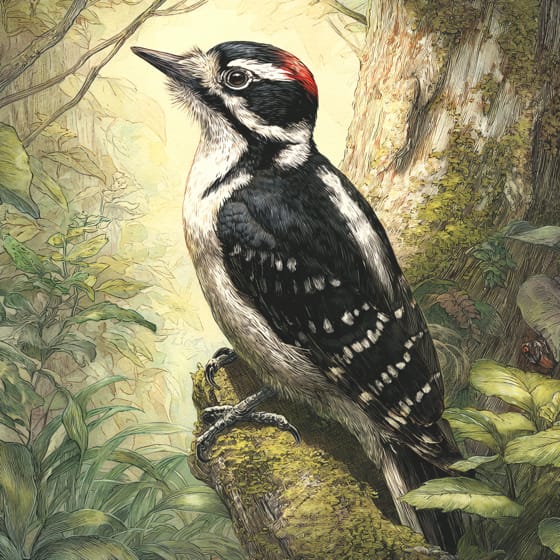
Picoides villosus
Spechte extrahieren Trachysida aspera Larven aus befallenen Bäumen.
Einzelgänger leben den größten Teil ihres Lebens allein und interagieren mit Artgenossen nur zur Paarung oder zur Aufzucht der Jungen.
Dieses Merkmal kennzeichnet Lebewesen, deren Ernährung vollständig oder hauptsächlich aus pflanzlichem Material besteht.
Waldlebensräume sind terrestrische Lebensräume, die von dichtem Baumbestand dominiert werden und eine große Vielfalt an Pflanzen- und Tierarten beherbergen.
Beschreibt Organismen, die totes organisches Material abbauen und Nährstoffe in das Ökosystem zurückführen.

Als gepanzert bezeichnet man Tiere, die zur Verteidigung durch eine harte, äußere Hülle oder einen Panzer geschützt sind.

Nachtaktive Tiere sind hauptsächlich in den Nachtstunden aktiv und ruhen oder schlafen normalerweise tagsüber.
Noch keine Alternativnamen vorhanden.
Gefahr
1/5 · Sehr gering
Seien Sie vorsichtig und beobachten Sie Insekten aus der Ferne. Es ist am besten, sie in ihren Heimen zu lassen.
Der einfachste Weg, Trachysida aspera zu bestimmen, ist die Verwendung der Naturführer-App Snappit.
20-40 mm
8-16 mm
30-90 Tage
Larven nagen an Totholz, während erwachsene Tiere vielleicht Nektar oder Baumsaft naschen.
Wälder
Futtersuche
6
Zoome hinein, um Cluster aufzulösen und zu sehen, wo dieses Objekt fotografiert wurde.
Neueste Snaps erscheinen hier, wenn neue Beobachtungen hinzukommen.
Nimm die Entdeckung mit
Fotografiere deinen Fund mit Snappit, bestimme die Art und füge die Entdeckung deiner Sammlung hinzu.








.jpg&width=800)



