





Valgus hemipterus
Valgus hemipterus
Der Valgus hemipterus ist ein einzigartiges Insekt, bekannt für seine leuchtenden Farben und interessante Form. Er versteckt sich gerne unter Blättern und ist oft in Gärten und Wäldern zu finden.
Lebensraum: Wälder
Der Valgus hemipterus ist ein kleiner, behaarter Käfer, typischerweise dunkelbraun bis schwarz, oft mit verstreuten hellen Schuppen. Er hat eine kompakte, etwas abgeflachte Körperform und auffallend breite, abgeflachte Hinterbeine, was ihm ein einzigartiges Aussehen verleiht.
Kategorie
InsektenSeltenheit
Common
Gefahr
1/5 · Sehr gering
Snaps
1
Seine Larven verbringen Jahre damit, an Totholz zu knabbern, versteckt vor der Welt!
Der wissenschaftliche Name Valgus hemipterus bedeutet tatsächlich 'O-beinig' aufgrund seiner einzigartigen Beine!
Sie sind wichtige Mitglieder der 'Aufräum-Crew', die den Wäldern helfen, gesund zu bleiben, indem sie Nährstoffe recyceln!
Dieser winzige Käfer ist manchmal friedlich direkt neben Ameisenkolonien zu finden!
Valgus hemipterus kann verrottendes Holz dank seiner starken Kiefer hervorragend zersetzen und hilft so, Waldnährstoffe zu recyceln.
Valgus hemipterus hat eine besondere Beziehung zu Ameisen, oft harmlos in der Nähe ihrer Nester zu finden, was Schutz bieten kann.
Valgus hemipterus kann sich aufgrund seines unscheinbaren, texturierten Körpers nahtlos in Laubstreu und Rinde einfügen, was ihn schwer zu entdecken macht.
Dieser winzige Käfer hilft, Wälder zu säubern, indem er totes Holz und Pilze knabbert.
Altersunterschiede: Larven ernähren sich ausschließlich von verrottendem Holz.
Lasius niger
Oft in der Nähe ihrer Nester gefunden, genaue Interaktion ist komplex.
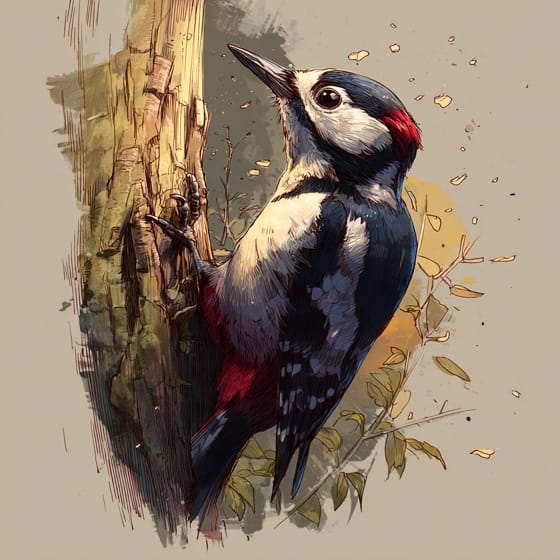
Dendrocopos major
Spechte können Larven aus verrottetem Holz entnehmen.
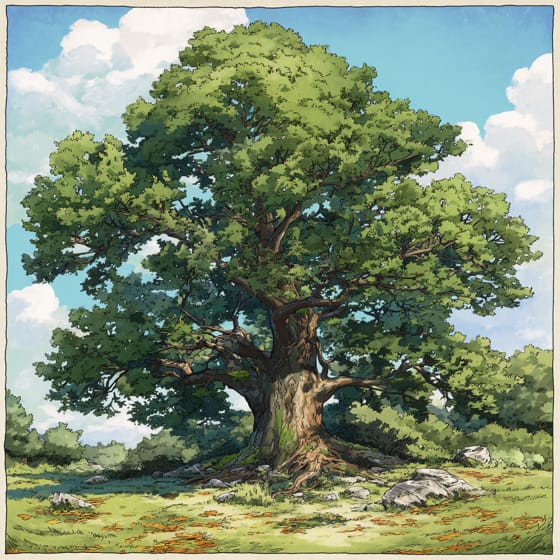
Quercus robur
Larven entwickeln sich im verrottenden Holz von Eichen.
Einzelgänger leben den größten Teil ihres Lebens allein und interagieren mit Artgenossen nur zur Paarung oder zur Aufzucht der Jungen.
Beschreibt Pflanzen, die für eine Vielzahl von bestäubenden Organismen besonders attraktiv und nützlich sind.
Farbenfroh beschreibt Organismen oder Objekte, die eine große Vielfalt an leuchtenden und deutlich erkennbaren Farben aufweisen.
Getarnt beschreibt Organismen, die über eine Färbung oder Musterung verfügen, durch die sie mit ihrer Umgebung verschmelzen.

Dieses Merkmal kennzeichnet Lebewesen, deren Ernährung vollständig oder hauptsächlich aus pflanzlichem Material besteht.

Waldlebensräume sind terrestrische Lebensräume, die von dichtem Baumbestand dominiert werden und eine große Vielfalt an Pflanzen- und Tierarten beherbergen.

Tagaktive Tiere sind hauptsächlich bei Tageslicht aktiv und ruhen oder schlafen in der Regel nachts.

Beschreibt Organismen, die Pollen übertragen und so die Befruchtung und Fortpflanzung von Pflanzen ermöglichen.
Noch keine Alternativnamen vorhanden.
Gefahr
1/5 · Sehr gering
Es ist am besten, Insekten aus der Ferne zu beobachten und sie nicht zu berühren.
Der einfachste Weg, Valgus hemipterus zu bestimmen, ist die Verwendung der Naturführer-App Snappit.
6-16 mm
4-8 mm
30-90 Tage
2-5 km/h
Dieser winzige Käfer hilft, Wälder zu säubern, indem er totes Holz und Pilze knabbert.
Wälder
Futtersuche
Zoome hinein, um Cluster aufzulösen und zu sehen, wo dieses Objekt fotografiert wurde.
Nimm die Entdeckung mit
Fotografiere deinen Fund mit Snappit, bestimme die Art und füge die Entdeckung deiner Sammlung hinzu.








.jpg&width=800)


