
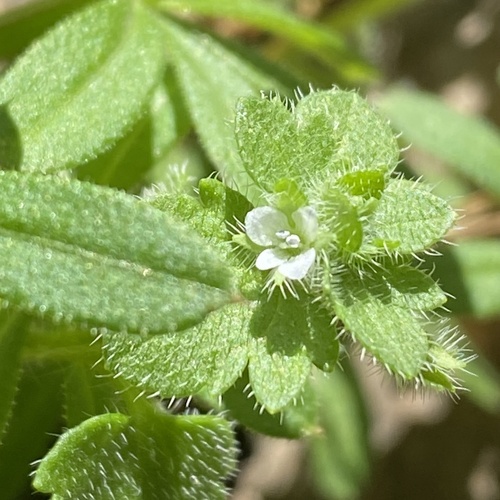


Veronica Sibthorpioides
veronica sibthorpioides
Veronica sibthorpioides ist eine reizende, seltene einjährige krautige Pflanze, die in den hochgelegenen Bergregionen Südspaniens und Nordafrikas beheimatet ist. Als Mitglied der Wegerichgewächse hat sich diese widerstandsfähige kleine Ehrenpreisart bemerkenswert gut an die rauen, windgepeitschten und steinigen Umgebungen subalpiner Geröllhalden angepasst. Trotz ihres zarten Aussehens trotzt sie extremen Temperaturschwankungen und schlechter Bodenqualität und erschließt sich eine Nische, in der nur wenige andere Pflanzen überleben können. Als hochspezialisierter alpiner Pionier spielt diese Pflanze eine subtile, aber vitale Rolle bei der Stabilisierung lockerer Geröllhänge. Sie keimt im Frühling nach der Schneeschmelze schnell, vollendet ihren gesamten Lebenszyklus in einer einzigen Saison, bevor trockene Sommerbedingungen einsetzen. Ihre Präsenz ist ein Zeugnis der fragilen Schönheit mediterraner alpiner Ökosysteme.
Lebensraum: Typischerweise in alpinen und subalpinen Umgebungen zu finden, gedeiht auf Kalkstein- oder Dolomit-Geröllhalden, steinigen Weiden und felsigen Spalten in großen Höhen.
Diese kleine, niedrig wachsende einjährige Pflanze erreicht typischerweise nur Höhen von 5 bis 15 Zentimetern und zeigt oft einen niederliegenden oder kriechenden Wuchs. Ihre Stängel sind dicht mit feinen, weißen Haaren bedeckt, die helfen, Feuchtigkeit zu speichern und vor intensivem ultraviolettem Licht zu schützen. Die Blätter sind klein, rundlich bis eiförmig, mit flach gelappten oder gezähnten Rändern und ebenfalls behaart. Während ihrer kurzen Blütezeit bringt sie winzige, zarte vierlappige Blüten hervor, die blassblau, violett oder manchmal fast weiß sind und ein charakteristisches, etwas schmaleres unteres Blütenblatt der Ehrenpreisgattung aufweisen.
Kategorie
PflanzenSeltenheit
Gewöhnlich
Gefahr
1/5 · Sehr gering
Snaps
Mach den ersten Snap!
Sie lebt am Limit und gedeiht in hochgelegenen Geröllfeldern zwischen 1.500 und 2.500 Metern über dem Meeresspiegel, wo nur sehr wenige andere Pflanzen überleben können.
Ihre Samen sind leicht und so konzipiert, dass sie leicht durch Bergwinde oder winterliche Schneeschmelze verbreitet werden können.
Die dichten Haare, die ihre Stängel bedecken, dienen nicht nur der Wärme; sie fangen auch eine Mikroschicht feuchter Luft ein und wirken wie ein winziges persönliches Gewächshaus.
Als photoautotrophe Pflanze produziert sie ihre eigene Energie durch Photosynthese, indem sie Sonnenlicht, Kohlendioxid, Wasser und Bodenmineralien nutzt.
Für dieses Objekt sind noch keine Merkmal-Badges vergeben.
Noch keine Alternativnamen vorhanden.
Sammlungen für dieses Objekt erscheinen hier, wenn weitere Themen hinzugefügt werden.
Gefahr
1/5 · Sehr gering
Noch keine besonderen Sicherheitshinweise.
Beginne mit der ganzen Pflanze und vergleiche dann Blattstellung, Blattränder, Stängel und eventuelle Blüten oder Früchte. Gegenständige Blätter wachsen paarweise, wechselständige einzeln am Stängel. Zusammen verraten diese Details weit mehr als ein einzelnes grünes Blatt. Pflanzen bestimmen: Lade ein Foto hoch und vergleiche die sichtbaren Merkmale.
5-15 cm
0.001-0.005 kg
1 Jahre
Als photoautotrophe Pflanze produziert sie ihre eigene Energie durch Photosynthese, indem sie Sonnenlicht, Kohlendioxid, Wasser und Bodenmineralien nutzt.
Typischerweise in alpinen und subalpinen Umgebungen zu finden, gedeiht auf Kalkstein- oder Dolomit-Geröllhalden, steinigen Weiden und felsigen Spalten in großen Höhen.
10-20 Tage
Zoome hinein, um Cluster aufzulösen und zu sehen, wo dieses Objekt fotografiert wurde.
Neueste Snaps erscheinen hier, wenn neue Beobachtungen hinzukommen.
Nimm die Entdeckung mit
Fotografiere deinen Fund mit Snappit, bestimme die Art und füge die Entdeckung deiner Sammlung hinzu.


















