






western sycamore
Platanus racemosa
The western sycamore is a tall tree with big, broad leaves and unique, peeling bark. It grows near rivers and provides shade for animals and people alike.
Lebensraum: Wetlands
The western sycamore has striking camouflage bark, a mottled mix of white, green, and brown, that peels away in irregular patches. Its large, maple-like leaves have deep lobes, and its fruits hang in distinctive fuzzy, globe-shaped clusters. It often grows into a massive, spreading tree.
Kategorie
PflanzenSeltenheit
Common
Gefahr
1/5 · Sehr gering
Snaps
Mach den ersten Snap!
Even when it's just a stump, a western sycamore can sprout many new trunks!
Its leaves can grow enormous, sometimes wider than your head!
The western sycamore’s bark sheds in big sheets, revealing ghostly white patches underneath!
These trees can live for hundreds of years, becoming giants of the forest!
Western sycamore has tough, deep roots that allow it to firmly anchor itself, helping it survive powerful floods.
Western sycamore's peeling bark creates a striking pattern, which helps it blend in with the dappled light in forests.
Western sycamore can disperse its fuzzy seed balls widely, allowing new trees to sprout easily in various spots.

Sciurus griseus
forages for fallen seeds and nuts.

Sialia mexicana
nests in its natural tree hollows.
Icterus cucullatus
builds hanging nests from its leaves.
Odocoileus hemionus
browses on its young leaves and twigs.
Laubabwerfende Pflanzen werfen regelmäßig all ihre Blätter ab, typischerweise im Herbst oder in Trockenzeiten.
Schattenverträgliche Pflanzen sind an das Wachstum und Gedeihen in Bereichen mit wenig Licht angepasst und benötigen weniger direkte Sonneneinstrahlung.
Laubbäume sind Bedecktsamer, die sich durch flache, breite Blätter auszeichnen, welche in gemäßigten Klimazonen typischerweise jährlich abgeworfen werden.
Beschreibt Pflanzen, die für eine Vielzahl von bestäubenden Organismen besonders attraktiv und nützlich sind.

Nutzholz bezeichnet Holz, das für die Verwendung im Bauwesen und in der Zimmerei aufbereitet wurde.

Schnellwachsende Pflanzen weisen eine beschleunigte Wachstumsrate auf und nehmen innerhalb kurzer Zeit schnell an Größe und Biomasse zu.

Dieses Lebensraummerkmal kennzeichnet Arten, die in Feuchtgebieten vorkommen. Dies sind Landflächen, die dauerhaft oder saisonal mit Wasser gesättigt sind, darunter Marschland, Sümpfe und Moore.
Noch keine Alternativnamen vorhanden.
Gefahr
1/5 · Sehr gering
Stay on paths and don't climb too high in trees without an adult.
1500-3000 cm
1000-2000 cm
Frühling
Nein
Keine
Mehrjährig
Wind
Wetlands
Zoome hinein, um Cluster aufzulösen und zu sehen, wo dieses Objekt fotografiert wurde.
Neueste Snaps erscheinen hier, wenn neue Beobachtungen hinzukommen.

California, US
Hier kann man sehen Ente, American Coot und Kanadagans.
Führer anzeigen →
California, US
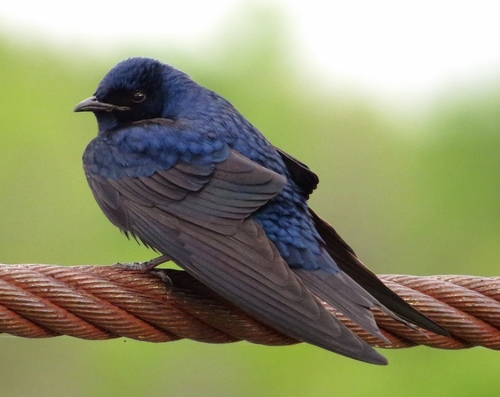
Hier kann man sehen Purple Martin, Acorn Woodpecker und Dunkelaugenjunko.
Führer anzeigen →

California, US
Hier kann man sehen California Wild Rose, California Wild Grape und Blue Elder.
Führer anzeigen →

California, US
Hier kann man sehen Valley Oak, Two-Horned Gall Wasp und Seidenbaum.
Führer anzeigen →




















_Ophrys_apifera_-_Villeneuve-l%C3%A8s-Bouloc_-_Flower.jpg&width=800)