

Wild-Dilly
manilkara jaimiqui
Der Wild-Dilly (Manilkara jaimiqui) ist ein bezaubernder, langsam wachsender immergrüner Baum, der in den tropischen Hängemattenwäldern und Küstenregionen Südfloridas und der Karibik beheimatet ist. Als Mitglied der Familie der Sapotengewächse ist er eng mit dem Sapotillbaum verwandt, der historisch den natürlichen Latex zur Herstellung von Kaugummi lieferte. Diese widerstandsfähige Pflanze ist unglaublich gut an raue Küstenbedingungen angepasst, mit einem robusten, knorrigen Wuchs und tiefreichenden Wurzeln, die sie gegen tropische Stürme verankern. Jenseits ihres robusten Äußeren spielt der Wild-Dilly eine entscheidende Rolle in seinem heimischen Ökosystem. Er produziert kleine, unscheinbare gelbliche Blüten, aus denen sich runde, schuppige braune Früchte entwickeln. Diese süßen, klebrigen Früchte sind eine wichtige Nahrungsquelle für die lokale Tierwelt, einschließlich Vögel, Landkrabben und Säugetiere.
Lebensraum: Vorkommend in Küsten-Hängemattenwäldern, Kiefern-Felsenlandschaften und Küstenstrand-Umgebungen, typischerweise auf sandigen oder alkalischen Kalksteinböden wachsend.
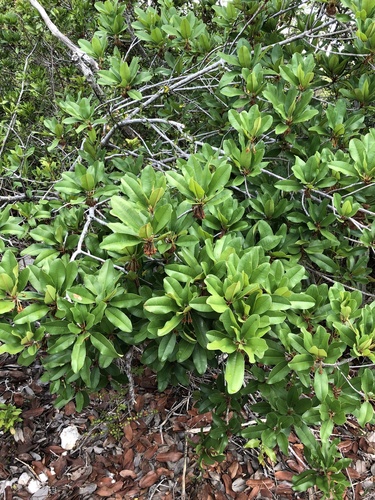
Wild-Dilly zeichnet sich durch seinen knorrigen Stamm mit dunkler, tief gefurchter grauer Rinde und dicken, ledrigen, dunkelgrünen Blättern aus. Die Blätter sind typischerweise dicht an den Astspitzen gebündelt und weisen eine charakteristische Einkerbung an der Spitze auf. Kleine, hellgelbe oder bräunlich-gelbe Blüten erscheinen in Büscheln, gefolgt von runden, rauen braunen Früchten von etwa 3 bis 5 Zentimetern Durchmesser, die kleinen, staubigen Kartoffeln ähneln.
Kategorie
PflanzenSeltenheit
Gewöhnlich
Gefahr
1/5 · Sehr gering
Snaps
Mach den ersten Snap!
Seine essbare Frucht hat einen süßen, braunen Zucker ähnlichen Geschmack, enthält aber im unreifen Zustand viel klebrigen Latex, der die Lippen zusammenkleben kann.
Der Wild-Dilly ist ein enger Verwandter des Sapotillbaums, der die ursprüngliche Quelle für Chicle zur Herstellung von Kaugummi war.
Das Holz des Wild-Dilly ist außergewöhnlich schwer, hart und stark, weshalb es historisch sehr begehrt für langlebige Baupfosten und Werkzeuggriffe war.
Als autotrophe Pflanze produziert der Wild-Dilly seine eigenen organischen Verbindungen durch Photosynthese, indem er Sonnenlicht, Kohlendioxid und Bodennährstoffe nutzt.
Für dieses Objekt sind noch keine Merkmal-Badges vergeben.
Noch keine Alternativnamen vorhanden.
Sammlungen für dieses Objekt erscheinen hier, wenn weitere Themen hinzugefügt werden.
Gefahr
1/5 · Sehr gering
Noch keine besonderen Sicherheitshinweise.
Beginne mit der ganzen Pflanze und vergleiche dann Blattstellung, Blattränder, Stängel und eventuelle Blüten oder Früchte. Gegenständige Blätter wachsen paarweise, wechselständige einzeln am Stängel. Zusammen verraten diese Details weit mehr als ein einzelnes grünes Blatt. Pflanzen bestimmen: Lade ein Foto hoch und vergleiche die sichtbaren Merkmale.
300-900 cm
50-150 Jahre
Als autotrophe Pflanze produziert der Wild-Dilly seine eigenen organischen Verbindungen durch Photosynthese, indem er Sonnenlicht, Kohlendioxid und Bodennährstoffe nutzt.
Vorkommend in Küsten-Hängemattenwäldern, Kiefern-Felsenlandschaften und Küstenstrand-Umgebungen, typischerweise auf sandigen oder alkalischen Kalksteinböden wachsend.
Zoome hinein, um Cluster aufzulösen und zu sehen, wo dieses Objekt fotografiert wurde.
Neueste Snaps erscheinen hier, wenn neue Beobachtungen hinzukommen.
Nimm die Entdeckung mit
Fotografiere deinen Fund mit Snappit, bestimme die Art und füge die Entdeckung deiner Sammlung hinzu.