





Woods-Rose
Rosa woodsii
Die Woods-Rose ist ein hübscher Strauch mit wunderschönen rosa Blüten. Sie wächst an vielen Orten und ist ein Favorit für Bienen und Schmetterlinge. Ihr süßer Duft macht sie zu einer Freude, sie in der Natur zu finden!
Lebensraum: Wälder
Die Woods-Rose hat zarte, oft leuchtend bis hellrosa Blüten mit fünf Blütenblättern, die mit ihren dornigen Stängeln und kleinen, ovalen grünen Blättern kontrastieren, die im Herbst gelb werden. Ihre leuchtend roten Hagebutten, die Früchte, bleiben bis in den Winter am Strauch.
Kategorie
PflanzenSeltenheit
Common
Gefahr
2/5 · Gering
Snaps
5
Sie ist eine heimische Wildrose in weiten Teilen West-Nordamerikas.
Viele einheimische Bienen und Schmetterlinge sind auf ihre Blüten für Pollen und Nektar angewiesen.
Die dornigen Äste bieten perfekte, sichere Nistplätze für kleine Vögel!
Woods-Hagebutten enthalten mehr Vitamin C als eine Orange!
Aromatische Pflanzen produzieren und verströmen duftende flüchtige organische Verbindungen, oft zur Abwehr oder um Bestäuber anzulocken.
Blütenpflanzen sind alle Pflanzen, die als Teil ihres Fortpflanzungszyklus Blüten bilden.
Laubabwerfende Pflanzen werfen regelmäßig all ihre Blätter ab, typischerweise im Herbst oder in Trockenzeiten.
Sommerblühende Pflanzen bringen ihre Blüten während der Sommersaison hervor und sorgen oft für leuchtende Farben, wenn viele andere Pflanzen bereits verblüht sind.

Ein Strauch ist eine verholzende Pflanze, die kleiner als ein Baum ist und typischerweise mehrere Stämme hat, die sich ab oder nahe dem Boden verzweigen.

Duftende Blüten verströmen ein angenehmes Aroma, oft um Bestäuber anzulocken oder zur Abwehr.

Fruchttragende Pflanzen produzieren Früchte, also die reifen Fruchtknoten von Blütenpflanzen, die Samen enthalten.

Beschreibt Pflanzen, die für eine Vielzahl von bestäubenden Organismen besonders attraktiv und nützlich sind.

Essbare Pflanzen sind diejenigen Pflanzenteile, die für den menschlichen Verzehr als unbedenklich gelten.

Waldlebensräume sind terrestrische Lebensräume, die von dichtem Baumbestand dominiert werden und eine große Vielfalt an Pflanzen- und Tierarten beherbergen.
Gefahr
2/5 · Gering
Immer nur anschauen, aber die Dornen an den Rosenbüschen nicht berühren!
Der einfachste Weg, Woods-Rose zu bestimmen, ist die Verwendung der Naturführer-App Snappit.
100-300 cm
100-200 cm
2-5 cm
Late spring to early summer
Ja
Keine
Mehrjährig
Zoome hinein, um Cluster aufzulösen und zu sehen, wo dieses Objekt fotografiert wurde.

New Mexico, US
Hier kann man sehen Baum-Cholla, Maultierhirsch und Heiliger Stechapfel.
Führer anzeigen →

Colorado, US
Hier kann man sehen Schwarzschnabel-Elster, Weidenröschen und Wiesen-Bärenklau.
Führer anzeigen →
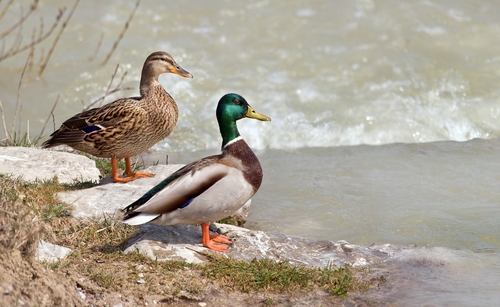
Washington, US
Hier kann man sehen Ente, Gelbbauchmurmeltier und Kanadagans.
Führer anzeigen →

Arizona, US
Hier kann man sehen Dunkelaugenjunko und Plateau-Zauneidechse.
Führer anzeigen →

British Columbia, CA
Hier kann man sehen Gelbbauchmurmeltier und Gummi-Kaninchenbürste.
Führer anzeigen →
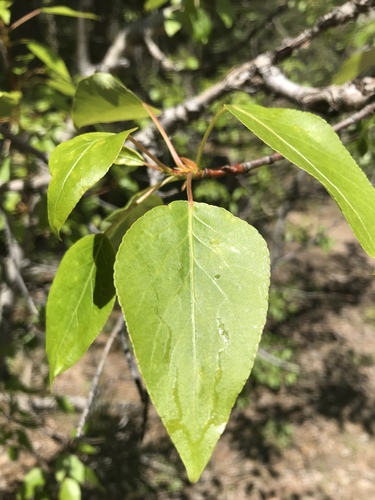
British Columbia, CA
Hier kann man sehen Schwarzpappel, Mahonie und Prächtige Seidenpflanze.
Führer anzeigen →
Nimm die Entdeckung mit
Fotografiere deinen Fund mit Snappit, bestimme die Art und füge die Entdeckung deiner Sammlung hinzu.






.jpg&width=800)


_001.jpg&width=800)



