





Xestoleptura Crassipes
xestoleptura crassipes
Die Xestoleptura Crassipes ist ein faszinierender Käfer, der sich gerne in der Nähe von verrottendem Holz aufhält. Ihre leuchtenden Farben und einzigartigen Muster machen sie zu einem spannenden Fund für junge Entdecker!
Lebensraum: Wälder und Gärten, besonders dort, wo es verrottendes Holz gibt.
Die Xestoleptura Crassipes ist ein schlanker Bockkäfer, typischerweise schwarz mit markanten orange-gelben Zeichnungen auf seinen Flügeldecken, oft in Form von Streifen oder Bändern. Er besitzt sehr lange Fühler und auffallend dicke Hinterbeine, die ihm seinen Namen 'crassipes' verleihen.
Kategorie
InsektenSeltenheit
Common
Gefahr
1/5 · Sehr gering
Snaps
1
Junge Xestoleptura Crassipes leben jahrelang in abgestorbenen Bäumen!
Ihre langen Fühler können manchmal länger sein als ihr ganzer Körper!
Der Name 'crassipes' bedeutet im Lateinischen 'Dicker Fuß' und beschreibt ihre kräftigen Beine.
Dieser Käfer hilft Blumen beim Wachstum, indem er ihren Pollen verbreitet.
Xestoleptura Crassipes Larven können dank spezieller Enzyme totes Hartholz zerkauen, was ihnen hilft, Waldnährstoffe zu recyceln.
Erwachsene Xestoleptura Crassipes besitzen ausgezeichnete Fühler, die ihnen helfen, Blüten für Nektar und Pollen aus der Ferne zu orten.
Xestoleptura Crassipes besitzt dicke Hinterbeine, die ihr helfen, sich beim Fressen fest an Pflanzenstängeln und Blüten festzuhalten.
Erwachsene schlürfen Nektar und Pollen, während Larven totes Holz zerkauen und so zur Waldrecyling beitragen!
Altersunterschiede: Erwachsene konsumieren Nektar und Pollen von Blüten, während Larven sich von verrottendem Holz ernähren.

Asclepias syriaca
Erwachsene besuchen Blüten für Nektar und Pollen.
Solidago canadensis
Erwachsene werden oft beim Fressen an ihren Blüten gefunden.
Quercus alba
Larven entwickeln sich im Inneren und konsumieren verrottendes Holz.
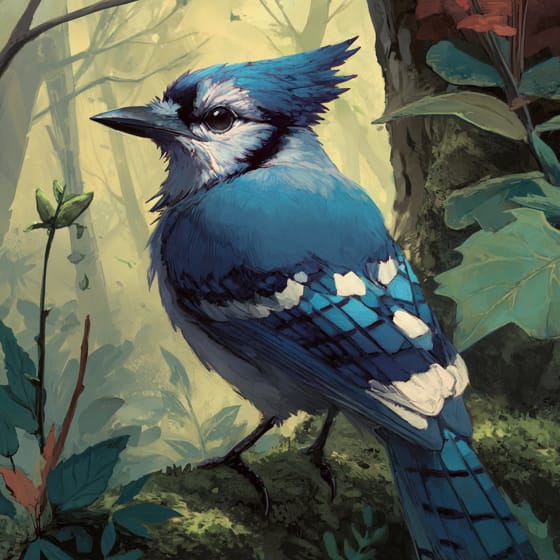
Cyanocitta cristata
Vögel können erwachsene Käfer jagen.
Einzelgänger leben den größten Teil ihres Lebens allein und interagieren mit Artgenossen nur zur Paarung oder zur Aufzucht der Jungen.
Farbenfroh beschreibt Organismen oder Objekte, die eine große Vielfalt an leuchtenden und deutlich erkennbaren Farben aufweisen.
Dieses Merkmal kennzeichnet Lebewesen, deren Ernährung vollständig oder hauptsächlich aus pflanzlichem Material besteht.
Waldlebensräume sind terrestrische Lebensräume, die von dichtem Baumbestand dominiert werden und eine große Vielfalt an Pflanzen- und Tierarten beherbergen.

Beschreibt Organismen, die totes organisches Material abbauen und Nährstoffe in das Ökosystem zurückführen.
Gefahr
1/5 · Sehr gering
Noch keine besonderen Sicherheitshinweise.
Der einfachste Weg, Xestoleptura Crassipes zu bestimmen, ist die Verwendung der Naturführer-App Snappit.
20-35 mm
8-16 mm
30-60 Tage
Erwachsene schlürfen Nektar und Pollen, während Larven totes Holz zerkauen und so zur Waldrecyling beitragen!
Wälder und Gärten, besonders dort, wo es verrottendes Holz gibt.
Futtersuche
6
Zoome hinein, um Cluster aufzulösen und zu sehen, wo dieses Objekt fotografiert wurde.
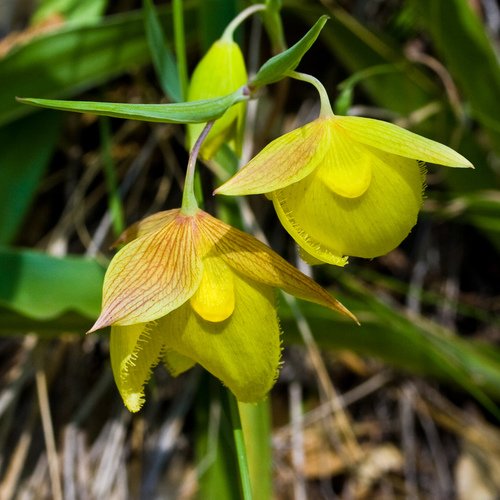
California, US
Hier kann man sehen Mount Diablo Feenlaterne und Westlicher Zaunleguan.
Führer anzeigen →

British Columbia, CA
Hier kann man sehen Westliche Kröte, Brennnesseln und Frauenfarn.
Führer anzeigen →
Nimm die Entdeckung mit
Fotografiere deinen Fund mit Snappit, bestimme die Art und füge die Entdeckung deiner Sammlung hinzu.








.jpg&width=800)


