



Zygiobia carpini
Zygiobia carpini
Die Zygiobia carpini ist ein winziges Insekt, das gerne Blätter knabbert. Sie hat eine besondere Art, sich ihrer Umgebung anzupassen, was es etwas schwierig macht, sie zu entdecken!
Lebensraum: Wälder
Die Zygiobia carpini ist ein winziges, zartes Insekt, typischerweise mattbraun oder grau gefärbt. Sie hat lange, schlanke Beine und Fühler sowie klare, mit winzigen Härchen besetzte Flügel. Ihr zerbrechlicher Körper macht es schwierig, sie ohne sorgfältige Beobachtung zu entdecken.
Kategorie
InsektenSeltenheit
Gewöhnlich
Gefahr
1/5 · Sehr gering
Snaps
Mach den ersten Snap!
Ausgewachsene Mücken leben nur etwa eine Woche lang, gerade lang genug, um Eier zu legen.
Im Inneren jeder Galle saugt die Larve direkt von der Pflanze leckere Nährstoffe auf.
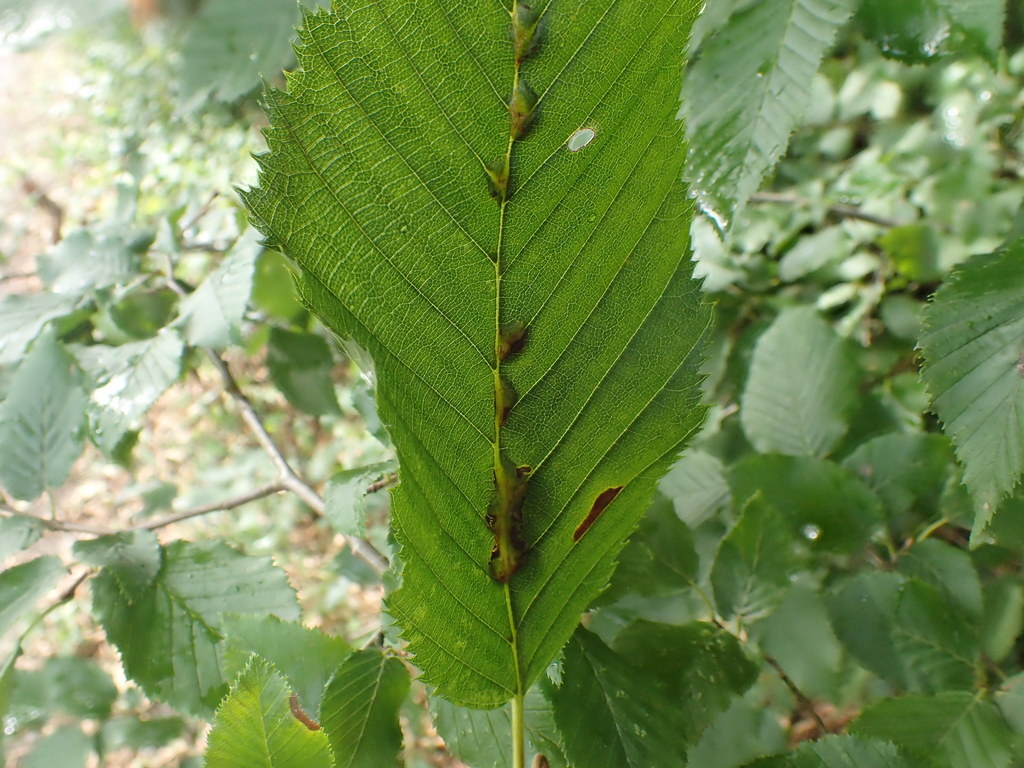
Viele winzige Zygiobia carpini-Gallen können ein einziges Hainbuchenblatt bedecken, wie kleine Dekorationen.
Die von dieser Mücke erzeugten Gallen haben die Form winziger Hörner auf Hainbuchenblättern!
Zygiobia carpini-Larven können Hainbuchen dazu bringen, spezielle Pflanzen-'Häuser' namens Gallen zu bilden, die sie während ihrer Entwicklung schützen.
Erwachsene Zygiobia carpini können spezifische Chemikalien von Hainbuchenbäumen wahrnehmen, um das perfekte Blatt für die Eiablage zu finden.
Zygiobia carpini-Larven sind in Pflanzengallen versteckt, was sie für viele Fressfeinde, die sie fressen könnten, unsichtbar macht.
Die Larven ernähren sich vom nahrhaften Pflanzensaft und Gewebe in den Gallen, die sie auf Hainbuchenblättern erzeugen.
Altersunterschiede: Larven ernähren sich in Gallen; ausgewachsene Mücken nehmen in der Regel keine Nahrung auf, sondern verlassen sich auf die im Larvenstadium gespeicherte Energie.

Carpinus betulus
Zygiobia carpini-Larven ernähren sich von den Blättern dieses Baumes und verursachen Gallen.

Parus major
Kleine Vögel, wie Meisen, können Mückenlarven oder -puppen fressen.
Platygaster carpini
Diese winzige Wespe legt ihre Eier in Zygiobia carpini-Larven.
Einzelgänger leben den größten Teil ihres Lebens allein und interagieren mit Artgenossen nur zur Paarung oder zur Aufzucht der Jungen.
Getarnt beschreibt Organismen, die über eine Färbung oder Musterung verfügen, durch die sie mit ihrer Umgebung verschmelzen.
Dieses Merkmal kennzeichnet Lebewesen, deren Ernährung vollständig oder hauptsächlich aus pflanzlichem Material besteht.
Waldlebensräume sind terrestrische Lebensräume, die von dichtem Baumbestand dominiert werden und eine große Vielfalt an Pflanzen- und Tierarten beherbergen.
Bezieht sich auf Arten, die deutlich kleiner sind als der Durchschnitt oder das Typische ihrer Art.
Tagaktive Tiere sind hauptsächlich bei Tageslicht aktiv und ruhen oder schlafen in der Regel nachts.
Beschreibt Organismen, die Pollen übertragen und so die Befruchtung und Fortpflanzung von Pflanzen ermöglichen.
Noch keine Alternativnamen vorhanden.
Gefahr
1/5 · Sehr gering
Es ist am besten, Insekten aus der Ferne zu betrachten und sie nicht zu berühren, da einige sehr empfindlich sein können.
Achte auf sechs Beine, Fühler, drei Körperabschnitte und die Form der Flügel. Käfer haben gehärtete Vorderflügel, Fliegen nur ein funktionierendes Flügelpaar. Winzige Insekten müssen oft aus der Nähe betrachtet werden, bevor ihre Gruppe klar wird. Insekten bestimmen: Lade ein Foto hoch und vergleiche die sichtbaren Merkmale.
2-6 mm
1-3 mm
5-14 Tage
Die Larven ernähren sich vom nahrhaften Pflanzensaft und Gewebe in den Gallen, die sie auf Hainbuchenblättern erzeugen.
Wälder
6
Zoome hinein, um Cluster aufzulösen und zu sehen, wo dieses Objekt fotografiert wurde.
Neueste Snaps erscheinen hier, wenn neue Beobachtungen hinzukommen.
Nimm die Entdeckung mit
Fotografiere deinen Fund mit Snappit, bestimme die Art und füge die Entdeckung deiner Sammlung hinzu.