_(cropped).jpg&width=800)





American Bittern
Botaurus lentiginosus
The American Bittern is a secretive bird that likes to hide in tall grasses and wetlands. It has a long neck and a funny way of standing still, making it look like a stick!
Hábitat: Wetlands
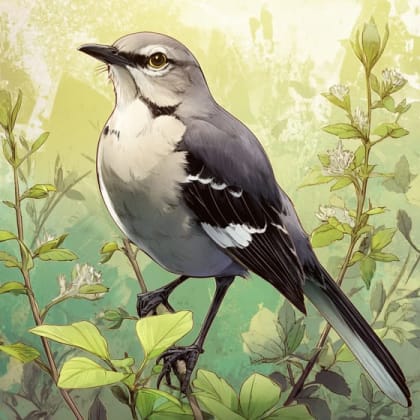
The American Bittern has streaky brown plumage that perfectly mimics marsh reeds. It possesses bright yellow eyes and a long, sharp bill. Its patterned feathers provide excellent camouflage against its wetland home.
Categoría
AvesRareza
Common
Peligro
1/5 · Muy bajo
Snaps
¡Sé la primera persona en hacer un snap!
The female American Bittern does all the nesting and raises her chicks alone!
These secretive birds prefer to walk slowly rather than fly when hunting!
They stand perfectly still, bill pointed skyward, to disappear instantly!
They sway their bodies gently to look like wind-blown reeds!
American Bitterns can freeze with their bill pointed skyward, blending seamlessly with surrounding marsh reeds, which helps them hide from predators.
American Bitterns can quickly extend their neck to stab prey with their sharp bill, which helps them catch slippery fish and frogs.
American Bitterns have a unique, low-pitched call resembling a distant pump, which helps them attract mates across vast wetlands.
This stealthy hunter mostly eats small fish, frogs, and large insects found in shallow water.
Lithobates clamitans
A common prey item in its marsh habitat.
Perca flavescens
Actively preys on small fish in shallow water.
Anax junius
Eats large dragonflies and other aquatic insects.
Bubo virginianus
Adults and chicks can fall victim to this nocturnal predator.

Canis latrans
Mammalian predators, including coyotes, can prey on bitterns.
Describe a los animales, principalmente aves, que poseen una cubierta de plumas.
Los animales solitarios viven solos durante la mayor parte de su vida y solo interactúan con otros para aparearse o cuidar de sus crías.
El camuflaje describe a los organismos que poseen colores o patrones que les permiten mezclarse con su entorno.
Los organismos piscívoros son animales que subsisten principalmente de una dieta a base de peces.

Un depredador de emboscada caza esperando pacientemente y ocultándose, para luego lanzar un ataque repentino cuando una presa desprevenida se pone a su alcance.

Este rasgo de hábitat identifica especies que se encuentran en humedales, que son áreas de tierra saturadas de agua, ya sea permanente o estacionalmente, e incluyen marismas, pantanos y ciénagas.

Los animales migratorios emprenden movimientos estacionales de una región a otra, típicamente en respuesta a cambios en el clima o la disponibilidad de alimentos.

El estado de amenazado indica que es probable que una especie pase a estar en peligro de extinción en el futuro cercano si no se toman medidas efectivas de conservación.
Todavía no hay alias listados.
Peligro
1/5 · Muy bajo
Always watch birds from a distance and be quiet so you don't scare them away.
59-70 cm
95-115 cm
0.37-0.65 kg
5-8 años
40 km/h
This stealthy hunter mostly eats small fish, frogs, and large insects found in shallow water.
Wetlands
Ambush
Acércate para separar los grupos y explorar dónde se ha fotografiado este objeto.
Los snaps recientes aparecerán aquí a medida que se añadan nuevas observaciones.









-_Female_at_Bharatpur_I_IMG_5336.jpg&width=800)