






Common Merganser
Mergus merganser
The Common Merganser is a beautiful duck with a long, slender body and a sharp beak. They love to swim and dive underwater to catch fish, making them great hunters in the water!
Hábitat: Wetlands
The Common Merganser has a sleek body and a distinctive thin, serrated red bill. Males boast an iridescent green head, white body, and black back. Females have a shaggy rusty-red head and a gray body.
Categoría
AvesRareza
Common
Peligro
1/5 · Muy bajo
Snaps
¡Sé la primera persona en hacer un snap!
A large group of mergansers is called a 'raft' or even a 'flotilla'.
Baby mergansers often jump from tree nests up to 40 feet high!
These ducks must 'run' across water to get airborne for flight!
They can stay underwater for over a minute, diving deep to hunt fish.
Common Mergansers can dive deep and chase fish because their bodies are built for fast underwater swimming.
Common Mergansers have a serrated, hook-tipped bill that helps them firmly grasp slippery fish underwater.
Common Mergansers have waterproof feathers, keeping them warm and dry while diving in cold water.
These ducks are expert underwater hunters, mainly eating fish and aquatic creatures.
Diferencias por edad: Young ducklings eat more aquatic insects, transitioning to mostly fish as they mature.
Oncorhynchus mykiss
Mergansers hunt and eat smaller trout in rivers and lakes.
Haliaeetus leucocephalus
Bald eagles are powerful predators of adult mergansers.
Lutra canadensis
River otters may prey on mergansers or their eggs opportunistically.
Insecta (various)
Ducklings and sometimes adults eat aquatic insects in their habitat.
Describe a los animales, principalmente aves, que poseen una cubierta de plumas.
Se caracteriza por tener los dedos conectados por una membrana, lo que generalmente ayuda a nadar.
Los animales sociales viven en grupos organizados, cooperando para obtener beneficios de supervivencia como la búsqueda de alimento, la defensa y la cría de descendencia.
Los organismos piscívoros son animales que subsisten principalmente de una dieta a base de peces.

Este rasgo de hábitat identifica especies que se encuentran en humedales, que son áreas de tierra saturadas de agua, ya sea permanente o estacionalmente, e incluyen marismas, pantanos y ciénagas.

Los hábitats de agua dulce incluyen entornos acuáticos no salinos como ríos, lagos, estanques y humedales, vitales para numerosas especies.

Este rasgo identifica a los organismos cuya dieta consiste total o principalmente en tejido animal.

Los animales diurnos están activos principalmente durante el día y suelen descansar o dormir por la noche.

Describe una especie cuya presencia y papel tienen un efecto desproporcionadamente grande en su entorno.

Los hábitats acuáticos abarcan entornos donde los organismos viven principalmente en el agua, incluidos océanos, ríos, lagos y humedales.

Los animales migratorios emprenden movimientos estacionales de una región a otra, típicamente en respuesta a cambios en el clima o la disponibilidad de alimentos.
Peligro
1/5 · Muy bajo
Always watch birds from a distance and don't try to touch them.
58-72 cm
82-97 cm
0.9-2.1 kg
5-13 años
80 km/h
These ducks are expert underwater hunters, mainly eating fish and aquatic creatures.
Wetlands
Pursuit
Acércate para separar los grupos y explorar dónde se ha fotografiado este objeto.
Los snaps recientes aparecerán aquí a medida que se añadan nuevas observaciones.
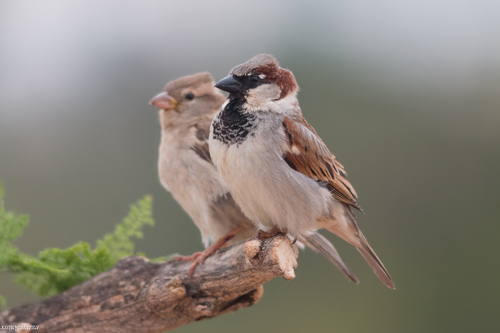
Massachusetts, US
Puedes ver Gorrión Común, Garlic Mustard y Pato.
Ver guía →

Ontario, CA
Puedes ver Alce, Brittlegills y Canadian Bunchberry.
Ver guía →

Washington, US
Puedes ver Pato, American Wigeon y Gaviota De Delaware.
Ver guía →

Pennsylvania, US
Puedes ver Eastern Skunk Cabbage y Carpe Americano.
Ver guía →
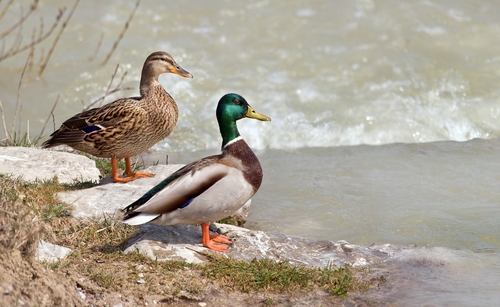
Massachusetts, US
Puedes ver Pato, Ring-Necked Duck y American Pokeweed.
Ver guía →

Washington, US
Puedes ver Barnacla Canadiense, Margarita y Pato.
Ver guía →













