





beach suncup
Camissoniopsis cheiranthifolia
The beach suncup is a bright yellow flower that loves to grow in sandy places near the ocean. Its cheerful blooms can be seen dancing in the breeze, making the beach even more beautiful!
Hábitat: Coastal areas
The beach suncup has bright yellow, cup-shaped flowers with four distinct petals, often appearing in clusters. Its leaves are typically gray-green, spoon-shaped, and covered in fine hairs. It grows low to the ground, forming spreading mats against sandy backdrops.
Categoría
PlantasRareza
Common
Peligro
1/5 · Muy bajo
Snaps
¡Sé la primera persona en hacer un snap!
Each tiny seed pod looks like a super curly, twisted ribbon as it dries.
It's sometimes called 'California Primrose' because it often blooms early in the year.
Its bright yellow flowers actually turn to follow the sun across the sky!
The entire plant often lies flat, hugging the sand to avoid strong ocean winds.
beach suncup has a long taproot that can reach deep into the sand to find precious water, helping it survive dry spells.
Its fuzzy, silvery leaves are covered in fine hairs that protect it from salty sea spray and help it conserve water.
The beach suncup can grow new roots and stems when buried by shifting sands, helping it survive fierce coastal winds.
Apis mellifera
Gathers nectar and pollen from flowers.

Bombus vosnesenskii
Visits flowers for nectar and pollen.
Syrphus ribesii
Adults feed on nectar, aiding pollination.
Las plantas con flores son cualquier planta que produce flores como parte de su ciclo reproductivo.
Las plantas de floración de verano producen sus flores durante la temporada estival, a menudo aportando un color vibrante cuando muchas otras plantas ya han terminado de florecer.
Las flores fragantes emiten un aroma agradable, a menudo para atraer polinizadores o como defensa.
Las plantas tolerantes a la sal pueden resistir y crecer en condiciones con niveles elevados de salinidad en el suelo o el agua.

Las plantas tolerantes a la sequía pueden sobrevivir y florecer en condiciones de escasa disponibilidad de agua.

Describe plantas que son particularmente atractivas y beneficiosas para una amplia variedad de organismos polinizadores.

Los hábitats costeros son entornos dinámicos situados a lo largo de la interfaz entre la tierra y el mar, influenciados por las mareas, las olas y el agua salada.
Todavía no hay alias listados.
Peligro
1/5 · Muy bajo
Always be gentle when exploring flowers and avoid picking them without permission.
5-30 cm
15-45 cm
1-3 cm
Primavera a otoño
No
Ninguna
Anual
Insectos
Acércate para separar los grupos y explorar dónde se ha fotografiado este objeto.
Los snaps recientes aparecerán aquí a medida que se añadan nuevas observaciones.
.jpg)
California, US
Puedes ver Long-Billed Curlew, Snowy Plover y Sanderling.
Ver guía →
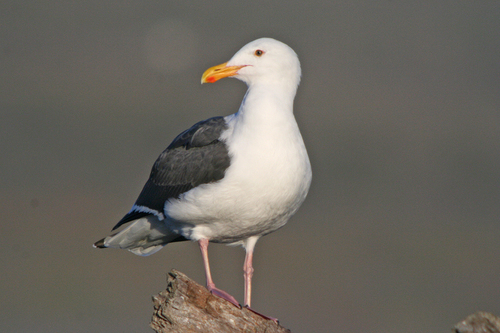
California, US
Puedes ver Western Gull, Snowy Egret y Black Skimmer.
Ver guía →

California, US
Puedes ver Fingertips, Lemonade Berry y California Boxthorn.
Ver guía →















