






Bigmouth buffalo
Ictiobus cyprinellus
The Bigmouth buffalo is a large fish with a big mouth! It swims in rivers and lakes, eating plants and tiny creatures. They are fun to watch as they glide through the water.
Hábitat: Freshwater lakes and rivers
The Bigmouth buffalo is a large, deep-bodied freshwater fish, typically silvery-gray with a darker back and pale belly. Its most distinctive feature is a huge, downward-pointing mouth that sets it apart from other similar fish species.
Categoría
PecesRareza
Common
Peligro
1/5 · Muy bajo
Snaps
¡Sé la primera persona en hacer un snap!
Bigmouth buffalo are native North American fish, often mistaken for invasive carp species!
Bigmouth buffalo can live for over 100 years, making them freshwater giants!
Their huge, downward-pointing mouth acts like a natural vacuum cleaner for the riverbed.
These fish can hear well, sensing vibrations to find tiny food in murky water.
Bigmouth buffalo can filter-feed by swimming with their mouth open, catching tiny plants and animals from the water column.
Bigmouth buffalo has an incredibly long lifespan, allowing them to survive for decades and become very large.
Bigmouth buffalo can tolerate low oxygen levels, which helps them survive in warm, stagnant waters.
These gentle giants filter tiny plants and animals from the water using their special mouths.
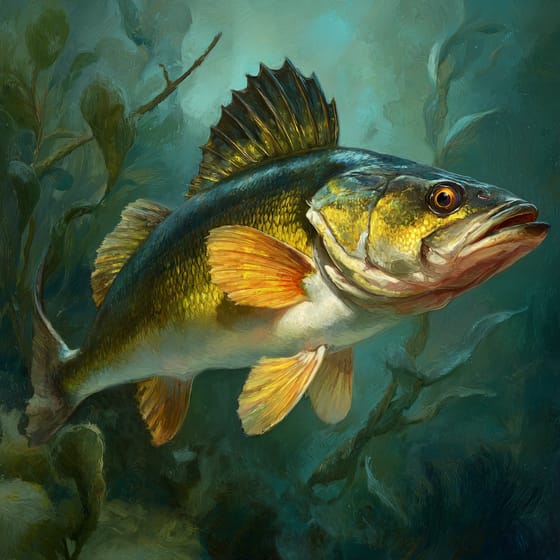
Sander vitreus
Young Bigmouth buffalo are prey.
Esox lucius
Predatory fish hunt younger or smaller individuals.
Haliaeetus leucocephalus
Eagles can prey on fish near surface.
Daphnia pulex
A primary food source of zooplankton.
Microcystis aeruginosa
Feeds on this common phytoplankton.
Los animales sociales viven en grupos organizados, cooperando para obtener beneficios de supervivencia como la búsqueda de alimento, la defensa y la cría de descendencia.
Los filtradores obtienen nutrientes filtrando partículas de alimentos suspendidos y pequeños organismos del agua.
Este rasgo caracteriza a los organismos cuya dieta consiste total o principalmente en material vegetal.
Este rasgo caracteriza a los organismos con una esperanza de vida excepcionalmente larga en comparación con otros de su especie.

Los hábitats de agua dulce incluyen entornos acuáticos no salinos como ríos, lagos, estanques y humedales, vitales para numerosas especies.

Los animales diurnos están activos principalmente durante el día y suelen descansar o dormir por la noche.

Los hábitats acuáticos abarcan entornos donde los organismos viven principalmente en el agua, incluidos océanos, ríos, lagos y humedales.

Gigante describe organismos u objetos de un tamaño significativamente mayor al promedio de su especie o tipo.
Todavía no hay alias listados.
Peligro
1/5 · Muy bajo
Always stay close to an adult when near water.
50-120 cm
5-30 kg
20-100 años
These gentle giants filter tiny plants and animals from the water using their special mouths.
Freshwater lakes and rivers
Filter Feeding
20 m
Agua dulce
Acércate para separar los grupos y explorar dónde se ha fotografiado este objeto.
Los snaps recientes aparecerán aquí a medida que se añadan nuevas observaciones.

















