






Bluets
Enallagma
Bluets are tiny, colorful dragonflies that love to flutter around ponds and streams. They have beautiful blue bodies and delicate wings that sparkle in the sunlight.
Hábitat: Wetlands
The Bluets is a slender damselfly, often brilliantly colored with patterns of bright blue and black along its body and abdomen. Unlike dragonflies, it holds its two pairs of clear wings together over its back when resting, giving it a delicate, needle-like appearance.
Categoría
InsectosRareza
Common
Peligro
1/5 · Muy bajo
Snaps
¡Sé la primera persona en hacer un snap!
Baby Bluets, called nymphs, live underwater for months or even years before transforming into adults!
Bluets have huge compound eyes that see almost all around them at once!
Many Bluet species have distinct black markings on their blue tails, helping scientists tell them apart!
When a Bluet lands, it often holds its wings folded together, unlike a dragonfly that spreads them flat.
Bluets can fly with incredible agility and speed because of their strong wings and keen eyesight, that helps them snatch tiny insects right out of the air.
Bluets has special external gills called caudal lamellae as larvae, that helps them breathe underwater while they hunt smaller aquatic creatures.
Bluets can fly connected to a mate in a unique 'tandem' position, which helps them defend their partner and lay eggs safely.
Bluets are aerial insect hunters, snatching small flying bugs mid-air.
Diferencias por edad: Larvae (nymphs) are aquatic predators, eating small invertebrates; adults hunt flying insects.
Micropterus salmoides
Larval Bluets are a food source for freshwater fish.
.jpg&width=800)
Tyrannus tyrannus
Adult Bluets are prey for various insect-eating birds.
Culex pipiens
Adult Bluets actively hunt and consume mosquitoes.
Chironomus plumosus
Bluets prey on various small aquatic midges.
Los animales sociales viven en grupos organizados, cooperando para obtener beneficios de supervivencia como la búsqueda de alimento, la defensa y la cría de descendencia.
Las criaturas aéreas pasan una parte importante de su vida en el aire, utilizando el vuelo para diversas actividades como la caza, la migración o la anidación.
Colorido describe a organismos u objetos que exhiben una amplia variedad de colores brillantes y distintivos.
Este rasgo identifica a los organismos cuya dieta consiste principalmente en insectos y otros pequeños invertebrados.

Este rasgo de hábitat identifica especies que se encuentran en humedales, que son áreas de tierra saturadas de agua, ya sea permanente o estacionalmente, e incluyen marismas, pantanos y ciénagas.

Los hábitats de agua dulce incluyen entornos acuáticos no salinos como ríos, lagos, estanques y humedales, vitales para numerosas especies.

Los animales diurnos están activos principalmente durante el día y suelen descansar o dormir por la noche.

Relativo a especies que son significativamente más pequeñas que lo típico o promedio de su tipo.

Este rasgo identifica a los organismos que exhiben una rapidez excepcional en sus movimientos para cazar, escapar o desplazarse.

Describe organismos que transfieren polen, permitiendo la fertilización y reproducción de las plantas.
Todavía no hay alias listados.
Peligro
1/5 · Muy bajo
Always watch where you step near water to keep both you and the insects safe.
25-50 mm
20-40 mm
14-42 días
10 km/h
Bluets are aerial insect hunters, snatching small flying bugs mid-air.
Wetlands
Pursuit
6
Acércate para separar los grupos y explorar dónde se ha fotografiado este objeto.
Los snaps recientes aparecerán aquí a medida que se añadan nuevas observaciones.

Quebec, CA
Puedes ver Cormorán Orejudo, Paloma Bravía y Wild Bergamot.
Ver guía →

British Columbia, CA
Puedes ver Ochre Sea Star y Yellow Shore Crab.
Ver guía →
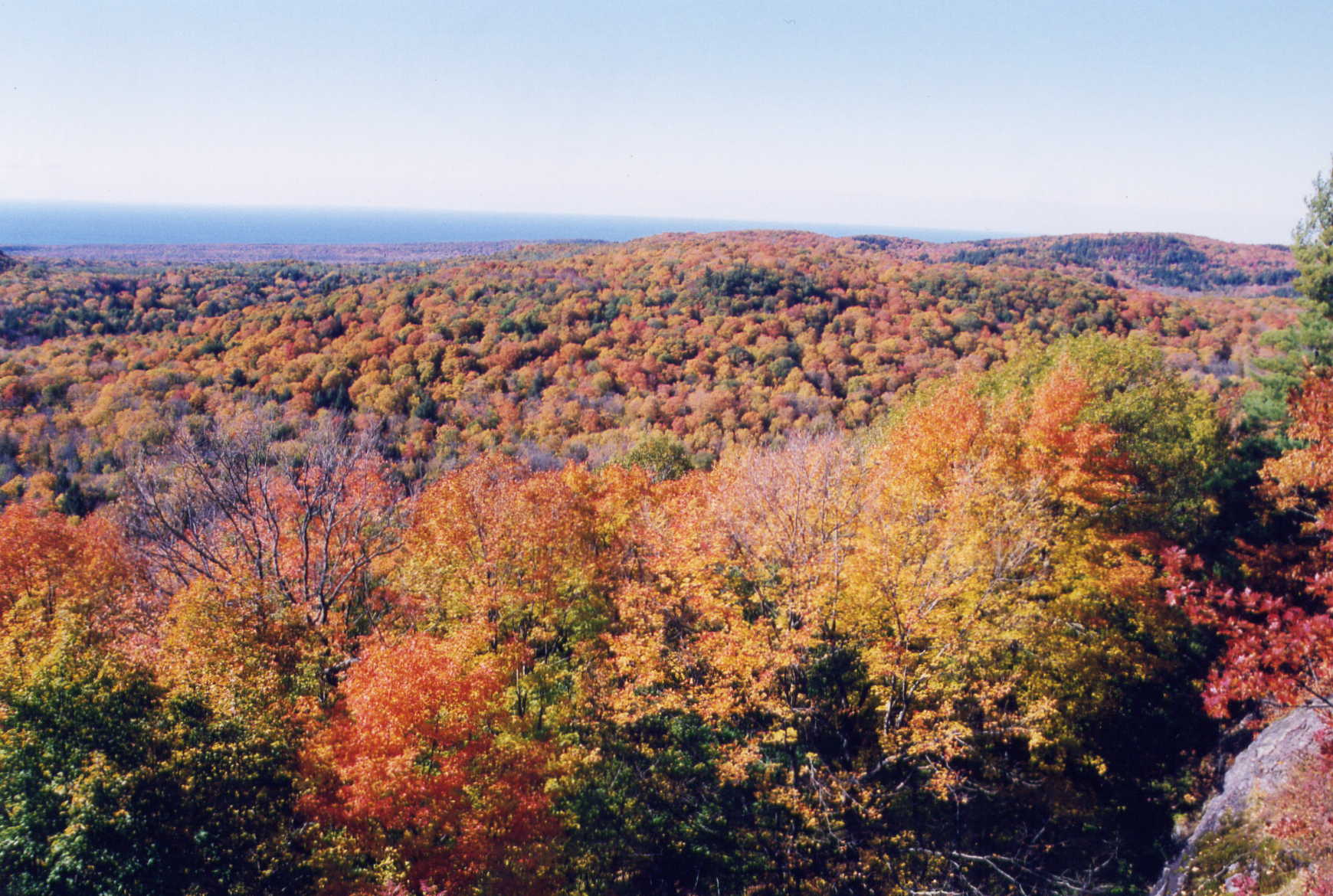
Michigan, US
Puedes ver Tree Lungwort, Shining Firmoss y Sapo Americano.
Ver guía →




.jpg&width=800)









