






Giant Mayflies
Hexagenia
Giant Mayflies are fascinating insects that spend most of their lives underwater as nymphs. When they grow up, they come out of the water, fly around for a short time, and then lay eggs to start the cycle again!
Hábitat: Wetlands
The Giant Mayflies has a soft, robust body, typically yellowish-brown to reddish-brown, often larger than other mayflies. They feature two or three long, delicate tails and large, clear, triangular wings with prominent veins, sometimes with an amber tint.
Categoría
InsectosRareza
Common
Peligro
1/5 · Muy bajo
Snaps
¡Sé la primera persona en hacer un snap!
A swarm of these mayflies can be so dense it shows up on weather radar!
Adult Giant Mayflies have no stomach or digestive system at all!
Mayflies are among the most ancient groups of winged insects on Earth!
Their presence indicates very clean, healthy freshwater environments!
Giant Mayflies can live underwater for up to two years as nymphs, breathing through feathery gills that help them absorb oxygen from the water.
Giant Mayflies has a unique 'subimago' stage, allowing them to molt one last time after developing wings, helping them become fully mature adults.
Giant Mayflies can emerge in massive numbers almost simultaneously, creating huge swarms that help them find mates quickly and overwhelm predators.
Giant Mayflies has non-functional mouthparts as adults, meaning they don't eat at all, which helps them focus entirely on reproduction.
Young mayflies filter tiny food particles from water, while adults do not eat at all!
Diferencias por edad: Larvae feed on detritus and algae, but adults have vestigial mouthparts and do not consume food, focusing solely on reproduction.
Perca flavescens
Both nymphs and adults are a key food source.
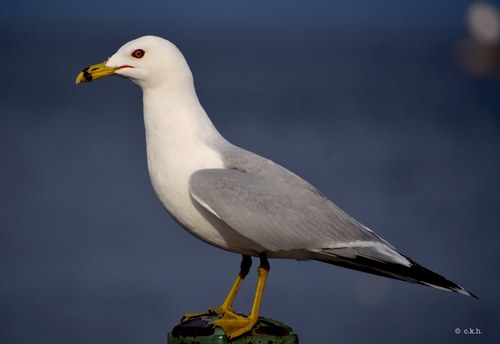
Sterna hirundo
Adult swarms provide an abundant aerial meal.
Chlorella vulgaris
Larvae filter these microscopic plants from water.
Los animales solitarios viven solos durante la mayor parte de su vida y solo interactúan con otros para aparearse o cuidar de sus crías.
Los filtradores obtienen nutrientes filtrando partículas de alimentos suspendidos y pequeños organismos del agua.
Este rasgo caracteriza a los organismos cuya dieta consiste total o principalmente en material vegetal.
Este rasgo de hábitat identifica especies que se encuentran en humedales, que son áreas de tierra saturadas de agua, ya sea permanente o estacionalmente, e incluyen marismas, pantanos y ciénagas.

Los hábitats de agua dulce incluyen entornos acuáticos no salinos como ríos, lagos, estanques y humedales, vitales para numerosas especies.

Los animales diurnos están activos principalmente durante el día y suelen descansar o dormir por la noche.

Gigante describe organismos u objetos de un tamaño significativamente mayor al promedio de su especie o tipo.

Describe organismos que transfieren polen, permitiendo la fertilización y reproducción de las plantas.
Todavía no hay alias listados.
Peligro
1/5 · Muy bajo
Giant Mayflies are harmless, but it's best to watch them from a distance and not touch them.
40-70 mm
25-30 mm
1-730 días
5 km/h
Young mayflies filter tiny food particles from water, while adults do not eat at all!
Wetlands
Filter Feeding
6
Acércate para separar los grupos y explorar dónde se ha fotografiado este objeto.
Los snaps recientes aparecerán aquí a medida que se añadan nuevas observaciones.








.jpg&width=800)



