






Boat-tailed Grackle
Quiscalus major
The Boat-tailed Grackle is a shiny black bird with a long, beautiful tail that looks like a boat's tail! They are often seen in groups and love to make loud, cheerful sounds.
Hábitat: Coastal areas
The Boat-tailed Grackle is a large, glossy black bird with an iridescent purple-blue sheen, featuring a long, distinctive keeled tail in males. Females are smaller and duller, typically brown, differing significantly from the males in coloration.
Categoría
AvesRareza
Common
Peligro
1/5 · Muy bajo
Snaps
¡Sé la primera persona en hacer un snap!
Depending on where they live, their bright yellow eyes can even be dark brown!
Males are HUGE compared to females, often twice as heavy and much longer!
These clever birds sometimes steal food right from the mouths of other birds!
They nest in big noisy groups called colonies, sometimes with hundreds of birds flocking together!
Boat-tailed Grackle can make many different sounds, including whistles and rasps, which helps them communicate and establish territories.
Boat-tailed Grackle has a long, stiff tail that acts like a rudder, helping them steer precisely during flight over wetlands.
Boat-tailed Grackle can eat almost anything, from tiny insects to small fish, because of their incredibly adaptable diet.
Boat-tailed Grackles are versatile eaters, enjoying bugs, fish, seeds, and even human snacks!
Buteo jamaicensis
Young and adult grackles can be prey for these large raptors.
Procambarus clarkii
Grackles forage for these crustaceans in shallow wetland waters.

Fundulus heteroclitus
They catch small fish like mummichogs in coastal marsh creeks.
Describe a los animales, principalmente aves, que poseen una cubierta de plumas.
Los animales sociales viven en grupos organizados, cooperando para obtener beneficios de supervivencia como la búsqueda de alimento, la defensa y la cría de descendencia.
Este rasgo identifica organismos cuya dieta incluye tanto materia vegetal como animal.
Este rasgo identifica a los organismos cuya dieta consiste principalmente en insectos y otros pequeños invertebrados.

Los hábitats costeros son entornos dinámicos situados a lo largo de la interfaz entre la tierra y el mar, influenciados por las mareas, las olas y el agua salada.

Los animales diurnos están activos principalmente durante el día y suelen descansar o dormir por la noche.
Todavía no hay alias listados.
Peligro
1/5 · Muy bajo
Enjoy watching birds from a distance, and don't try to touch them.
28-43 cm
40-50 cm
0.09-0.25 kg
5-14 años
45 km/h
Boat-tailed Grackles are versatile eaters, enjoying bugs, fish, seeds, and even human snacks!
Coastal areas
Foraging
Acércate para separar los grupos y explorar dónde se ha fotografiado este objeto.
Los snaps recientes aparecerán aquí a medida que se añadan nuevas observaciones.
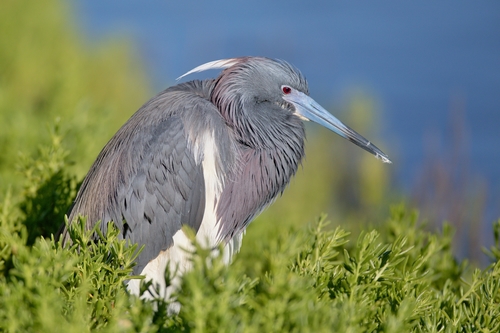
Florida, US
Puedes ver Tricolored Heron, Roseate Spoonbill y Wood Stork.
Ver guía →
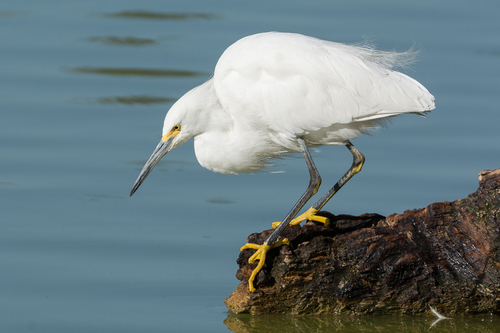
Florida, US
Puedes ver Snowy Egret, Pelícano Pardo y Boat-Tailed Grackle.
Ver guía →
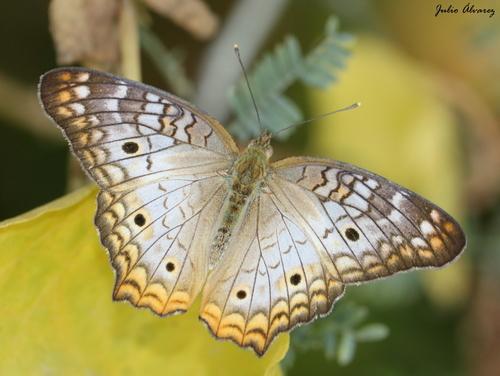
Florida, US
Puedes ver White Peacock, Trailing Daisy y Garza Azulada.
Ver guía →
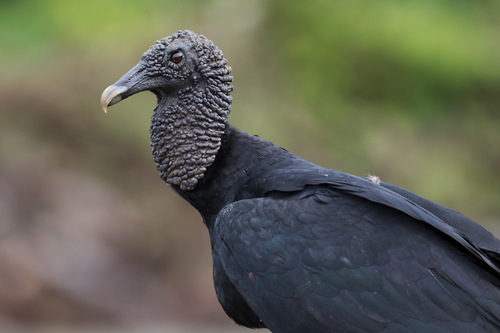
Florida, US
Puedes ver Zopilote Negro, Caimán Americano y Iguana Verde.
Ver guía →

Maryland, US
Puedes ver Domestic Horse, Sanderling y Atlantic Ghost Crab.
Ver guía →
Florida, US
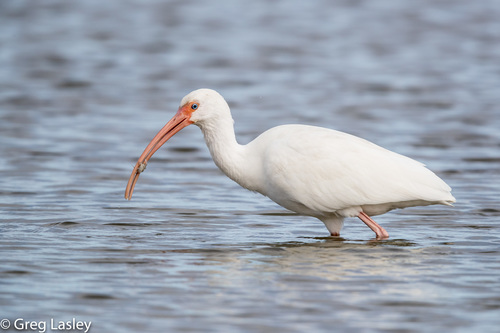
Puedes ver White Ibis, White Beggarticks y Anolis Castaño.
Ver guía →







.jpg&width=800)







.jpg&width=800)