






Bolson tortoise
Gopherus flavomarginatus
The Bolson tortoise is a special turtle that lives in the deserts of Mexico. It has a hard shell and can hide inside it when scared. These tortoises are very slow and love to munch on plants.
Hábitat: Desert
The Bolson tortoise has a large, high-domed shell that is yellowish-brown to dark brown, often with a subtle yellow rim. Its stout legs are covered in thick, protective scales, and its head is relatively small compared to its impressive body size. These features distinguish it from other desert tortoises.
Categoría
ReptilesRareza
Rare
Peligro
1/5 · Muy bajo
Snaps
¡Sé la primera persona en hacer un snap!
Scientists thought they were extinct until 1959!
Their burrows can be 10 meters long, acting like underground apartments!
They sometimes stomp their feet to warn others of danger.
This tortoise is North America's largest native land reptile!
Bolson tortoise can dig extensive, deep burrows using its powerful, clawed forelegs that helps them escape extreme desert temperatures.
Bolson tortoise can survive long droughts by storing water in its bladder that helps them stay hydrated in the arid desert.
Bolson tortoise can create complex underground homes that maintain stable temperatures, helping them avoid both scorching heat and freezing cold.
Bolson tortoise has an incredibly long lifespan due to a slow metabolism that helps them thrive over many decades in harsh environments.
They munch on desert grasses, cacti, and flowers to get food and precious water.
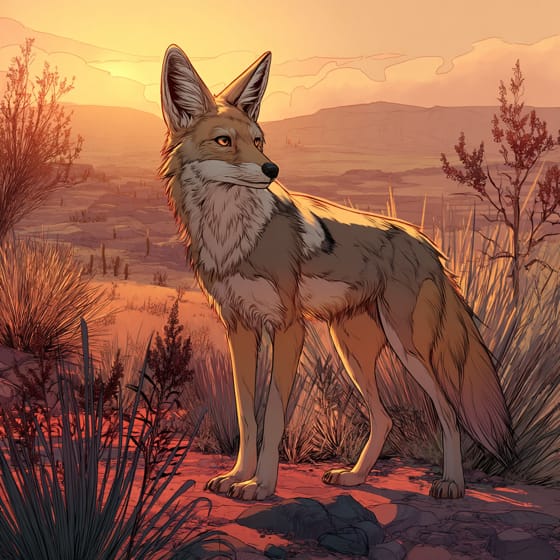
Canis latrans
Coyotes sometimes prey on younger or smaller tortoises.
Aquila chrysaetos
Golden eagles can spot and snatch young tortoises from above.
Athene cunicularia
Burrowing owls often nest in abandoned or active tortoise burrows.
Bouteloua gracilis
This tortoise grazes on Blue Grama grass, a common desert plant.
Dipodomys merriami
Kangaroo rats find shelter from predators and heat inside tortoise burrows.
Los animales solitarios viven solos durante la mayor parte de su vida y solo interactúan con otros para aparearse o cuidar de sus crías.
Este rasgo caracteriza a los organismos cuya dieta consiste total o principalmente en material vegetal.
Los hábitats desérticos son regiones áridas caracterizadas por precipitaciones extremadamente bajas y, a menudo, temperaturas extremas, que albergan una flora y fauna especializadas.
Este rasgo indica que los organismos pertenecen a un grupo evolutivo muy antiguo con antepasados que se remontan a millones de años.

Este rasgo caracteriza a los organismos con una esperanza de vida excepcionalmente larga en comparación con otros de su especie.

Acorazado describe a los animales protegidos por una cubierta externa dura o caparazón para defenderse.

Los animales diurnos están activos principalmente durante el día y suelen descansar o dormir por la noche.

El estado de peligro de extinción indica que una especie corre un riesgo muy alto de extinguirse en estado silvestre en un futuro próximo.
Todavía no hay alias listados.
Peligro
1/5 · Muy bajo
Always watch from a distance and don't touch wild tortoises; they need their space.
25-46 cm
8-18 kg
60-100 años
0.5 km/h
They munch on desert grasses, cacti, and flowers to get food and precious water.
Desert
Foraging
1-12
Acércate para separar los grupos y explorar dónde se ha fotografiado este objeto.
Los snaps recientes aparecerán aquí a medida que se añadan nuevas observaciones.













_(6-22-10)_canet_rd%2C_morro_bay%2C_slo_co%2CCA_-1_(4747274015).jpg&width=800)

