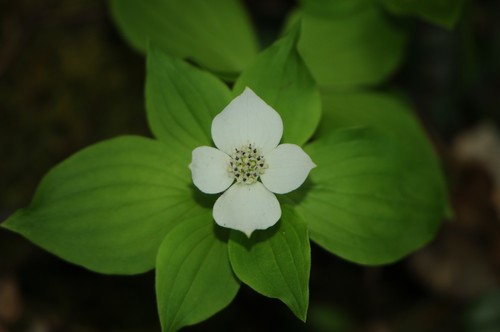
Broad-leaved helleborine
Epipactis helleborine
The Broad-leaved helleborine is a beautiful flower that grows in shady places. It has broad leaves and tall stems with clusters of lovely greenish-purple flowers that bloom in summer.
Hábitat: Forests
The Broad-leaved helleborine has a tall, leafy stem holding many small, drooping flowers. These unusual orchid flowers are often greenish-purple or brownish, making them hard to spot against their woodland backdrop. It stands out with its broad, ribbed leaves spiraling up the stem.
Categoría
PlantasRareza
Common
Peligro
1/5 · Muy bajo
Snaps
¡Sé la primera persona en hacer un snap!
It's a wild orchid, but it grows in many places, even your garden!
It's part of the huge orchid family, one of the biggest plant families on Earth!
Its flowers are often greenish-purple, making them tricky to spot in dappled shade!
This plant can sometimes grow straight out of cracks in pavements or old walls!
Broad-leaved helleborine produces nectar that can slightly intoxicate wasps, making them efficient pollinators.
Broad-leaved helleborine uses special root fungi to help it absorb nutrients from the soil, especially as a seedling.
Broad-leaved helleborine creates thousands of dust-like seeds that can travel far on the wind to find new homes.
Vespula vulgaris
Attracted to its nectar

Arion ater
Slugs feed on its leaves
Capreolus capreolus
Deer graze on the plant
Las plantas con flores son cualquier planta que produce flores como parte de su ciclo reproductivo.
Las flores en racimo son inflorescencias donde las flores individuales están dispuestas muy juntas en un tallo común.
Las plantas de floración de verano producen sus flores durante la temporada estival, a menudo aportando un color vibrante cuando muchas otras plantas ya han terminado de florecer.
Las plantas tolerantes a la sombra están adaptadas para crecer y prosperar en áreas con bajos niveles de luz, requiriendo menos luz solar directa.

Las plantas medicinales poseen compuestos químicos que pueden utilizarse con fines terapéuticos para tratar enfermedades o mantener la salud.

Describe plantas que son particularmente atractivas y beneficiosas para una amplia variedad de organismos polinizadores.

Los hábitats boscosos son entornos terrestres dominados por una densa cubierta arbórea, que sustentan una gran diversidad de vida animal y vegetal.

Este rasgo caracteriza a los organismos con una esperanza de vida excepcionalmente larga en comparación con otros de su especie.
Todavía no hay alias listados.
Peligro
1/5 · Muy bajo
Do not pick flowers; they are best enjoyed in nature!
20-100 cm
1-2 cm
Verano
No
Leve
Perenne
Insectos
Forests
Acércate para separar los grupos y explorar dónde se ha fotografiado este objeto.
Los snaps recientes aparecerán aquí a medida que se añadan nuevas observaciones.