.jpg&width=800)





Spotted Towhee
Pipilo maculatus
The Spotted Towhee is a colorful bird with black, white, and rusty orange feathers. They love to hop around on the ground looking for seeds and insects to eat.
Hábitat: Forests
The Spotted Towhee is a chunky bird with a black head, throat, and back, marked with bright white spots on its wings and back. Its sides are a rich rufous-brown, and it has striking red eyes, making it distinctive from other ground-dwelling sparrows.
Categoría
AvesRareza
Common
Peligro
1/5 · Muy bajo
Snaps
¡Sé la primera persona en hacer un snap!
Despite their name, many don't migrate far, staying local year-round!
Their bright red eyes stand out, making them look extra sharp and alert!
They sing a cheerful 'drink-your-tea' song, often heard just before rain!
When foraging, they do a cute 'double-scratch' dance with both feet!
Spotted Towhee can find hidden insects by using a unique two-footed backward scratch, like a mini excavator, to uncover tasty treats.
Spotted Towhee has a loud 'chewink' call that helps them warn other birds about danger, keeping everyone safe in the brush.
Spotted Towhee can crack open tough seeds with its strong, cone-shaped beak, accessing nutritious food sources that others can't.
These omnivores primarily scratch for insects, spiders, and seeds on the ground.
Accipiter cooperii
A common aerial predator that hunts small birds.
Felis catus
An introduced predator that captures ground-dwelling birds.
Formica fusca
Often foraged from leaf litter and undergrowth.

Toxicodendron diversilobum
Consumes the seeds, showing tolerance to the plant.
Symphoricarpos albus
Dense shrubs provide cover for nesting and hiding.
Describe a los animales, principalmente aves, que poseen una cubierta de plumas.
Marcado con manchas o parches de un color diferente.
Los animales sociales viven en grupos organizados, cooperando para obtener beneficios de supervivencia como la búsqueda de alimento, la defensa y la cría de descendencia.
Colorido describe a organismos u objetos que exhiben una amplia variedad de colores brillantes y distintivos.

Este rasgo identifica a los organismos cuya dieta consiste principalmente en insectos y otros pequeños invertebrados.

Los hábitats boscosos son entornos terrestres dominados por una densa cubierta arbórea, que sustentan una gran diversidad de vida animal y vegetal.

Los animales diurnos están activos principalmente durante el día y suelen descansar o dormir por la noche.
Todavía no hay alias listados.
Peligro
1/5 · Muy bajo
Enjoy watching birds from a distance and don't try to touch them.
17-21 cm
25-30 cm
0.03-0.049 kg
2-8 años
40 km/h
These omnivores primarily scratch for insects, spiders, and seeds on the ground.
Forests
Foraging
Acércate para separar los grupos y explorar dónde se ha fotografiado este objeto.
Los snaps recientes aparecerán aquí a medida que se añadan nuevas observaciones.

Washington, US
Puedes ver Bigleaf Maple, Common Snowberry y Osoberry.
Ver guía →
Washington, US
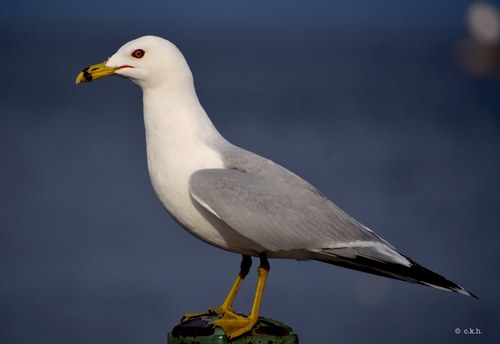
Puedes ver Gaviota De Delaware y Barnacla Canadiense.
Ver guía →

Oregon, US
Puedes ver Savannah Sparrow, Gorrión Melódico y Petirrojo Americano.
Ver guía →
British Columbia, CA
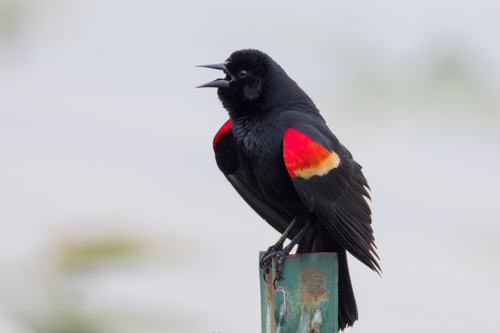
Puedes ver Tordo Sargento, Golondrina Bicolor y Garza Azulada.
Ver guía →
.JPG)
California, US
Puedes ver Cardinal Catchfly, Broad-Leaved Stonecrop y Mountain Misery.
Ver guía →

British Columbia, CA
Puedes ver Western Skunk Cabbage, Western Sword Fern y Matamoscas.
Ver guía →





_Buenos_Aires.jpg&width=800)

.jpg&width=800)



.jpg&width=800)