
.jpg&width=800)





Carolina Willow
salix caroliniana
The Carolina Willow is a beautiful tree that loves wet places! Its long, slender leaves sway gently in the breeze, making it a favorite spot for birds and critters.
Hábitat: Freshwater wetlands, riverbanks, and marshy areas.
The Carolina Willow is a tall shrub or small tree with a rounded crown. It has slender, reddish-brown twigs and bright green, lance-shaped leaves with finely serrated edges. In early spring, it produces fuzzy, yellowish-green catkins.
Categoría
PlantasRareza
Common
Peligro
0/5 · Sin peligro conocido
Snaps
¡Sé la primera persona en hacer un snap!
Its fuzzy catkins aren't one flower, but hundreds of tiny ones packed together!
Some Native Americans used flexible willow branches to weave sturdy baskets!
This fast-growing tree can sometimes add over six feet to its height in just one year!
Willow bark contains a natural pain reliever, like an ancient version of aspirin!
Carolina Willow has incredibly flexible branches that bend easily, helping it survive strong winds and floods.
Carolina Willow can grow very quickly, helping it colonize new or disturbed wet areas fast.
Carolina Willow has extensive root systems that help stabilize soil and prevent erosion near water.
Carolina Willow can bloom early in spring, providing crucial nectar and pollen for early-rising insects.
Apis mellifera
provides early spring nectar and pollen
Castor canadensis
chews bark and uses branches for food
Odocoileus virginianus
browses on its young leaves and twigs
Myiarchus crinitus
builds nests in its branches
Los animales sociales viven en grupos organizados, cooperando para obtener beneficios de supervivencia como la búsqueda de alimento, la defensa y la cría de descendencia.
Este rasgo caracteriza a los organismos cuya dieta consiste total o principalmente en material vegetal.
Los hábitats boscosos son entornos terrestres dominados por una densa cubierta arbórea, que sustentan una gran diversidad de vida animal y vegetal.
Los animales diurnos están activos principalmente durante el día y suelen descansar o dormir por la noche.

Los hábitats acuáticos abarcan entornos donde los organismos viven principalmente en el agua, incluidos océanos, ríos, lagos y humedales.
Peligro
0/5 · Sin peligro conocido
Todavía no hay notas especiales de seguridad.
300-1200 cm
300-800 cm
2-7 cm
Early spring
Sí
Leve
Perenne
Insectos
Acércate para separar los grupos y explorar dónde se ha fotografiado este objeto.
Los snaps recientes aparecerán aquí a medida que se añadan nuevas observaciones.
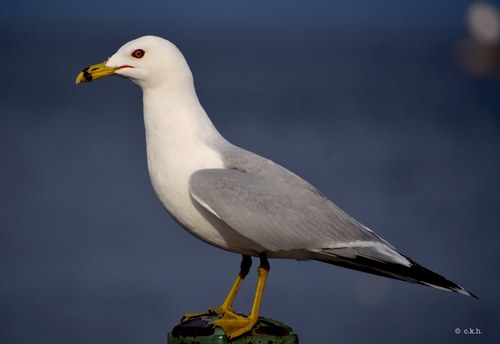
Washington, US
Puedes ver Gaviota De Delaware y Barnacla Canadiense.
Ver guía →
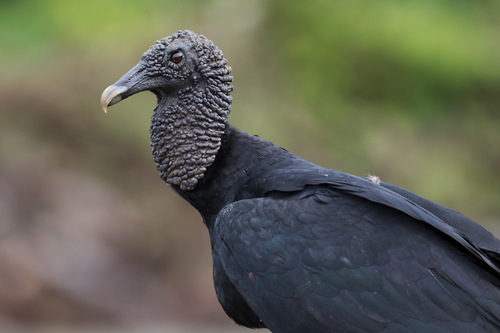
Florida, US
Puedes ver Zopilote Negro, Caimán Americano y Iguana Verde.
Ver guía →
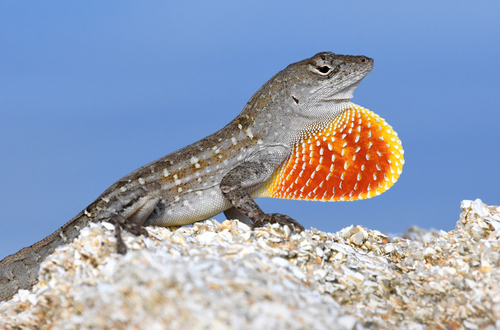
Florida, US
Puedes ver Anolis Castaño, Feather Mosses y Carolina Willow.
Ver guía →

British Columbia, CA
Puedes ver Shinyleaf Meadowsweet, Northern Checkerspot y Fireweed.
Ver guía →

British Columbia, CA
Puedes ver Sitka Valerian, Leafy Aster y Pearly Everlasting.
Ver guía →
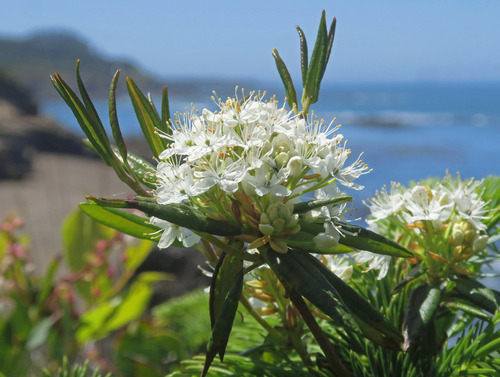
British Columbia, CA
Puedes ver Western Labrador Tea, Grouse Whortleberry y Pino Contorta.
Ver guía →











_-_Guelph%2C_Ontario.jpg&width=800)


