
_(10171293746).jpg&width=800)





common groundsel
Senecio vulgaris
Common groundsel is a small plant that grows in gardens and fields. It has bright yellow flowers that look like tiny suns and soft, green leaves.
Hábitat: Urban areas
The common groundsel has distinctive deeply lobed, often ragged green leaves that grow from a reddish stem. Its small, yellow, thimble-shaped flower heads appear in clusters, often appearing without obvious petals, making it look quite different from a daisy.
Categoría
PlantasRareza
Common
Peligro
2/5 · Bajo
Snaps
¡Sé la primera persona en hacer un snap!
It can sprout and grow from seed to flower in just a few weeks!
Its fluffy seeds can fly far on the wind like tiny parachutes!
Look closely! You might find this plant growing almost anywhere!
The plant's yellow flowers often stay closed, hiding their petals!
Common groundsel can grow from seed to flower incredibly fast, helping it quickly colonize bare ground.
It produces thousands of tiny, feathery seeds that float on the wind, spreading far and wide.
Common groundsel can thrive in very poor or disturbed soils where other plants struggle to grow.
Apis mellifera
Visits flowers for nectar and pollen.
Botanophila seneciella
Its larvae feed on the leaves.
Carduelis carduelis
Eats the plant's small, fluffy seeds.
Las plantas con flores son cualquier planta que produce flores como parte de su ciclo reproductivo.
Este rasgo de uso humano describe las especies cultivadas o domesticadas por los humanos con fines agrícolas, incluyendo cultivos y ganado.
Las plantas comestibles son aquellas partes de una planta que se consideran seguras para el consumo humano.
Las plantas de crecimiento rápido exhiben tasas de crecimiento aceleradas, aumentando rápidamente de tamaño y biomasa en un corto período de tiempo.

Describe plantas que son particularmente atractivas y beneficiosas para una amplia variedad de organismos polinizadores.

Describe una relación entre dos especies diferentes en la que viven estrechamente asociadas, a menudo beneficiando a una o a ambas.

Esta característica de hábitat indica especies que pueden coexistir con los humanos en entornos urbanos y suburbanos, utilizando estructuras artificiales y espacios verdes.
Peligro
2/5 · Bajo
Do not eat any plants without asking an adult first, as some can be harmful.
10-60 cm
10-30 cm
0.2-1 cm
Todo el año
No
Leve
Anual
Insectos
Acércate para separar los grupos y explorar dónde se ha fotografiado este objeto.
Los snaps recientes aparecerán aquí a medida que se añadan nuevas observaciones.

New York, US
Puedes ver Spotted Lanternfly, Ardilla Gris Oriental y Red Deadnettle.
Ver guía →
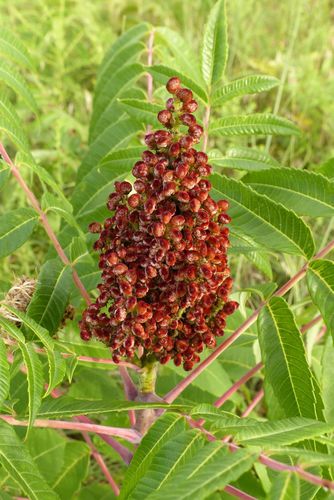
Massachusetts, US
Puedes ver Smooth Sumac, Brambles y Evening Primrose Family.
Ver guía →
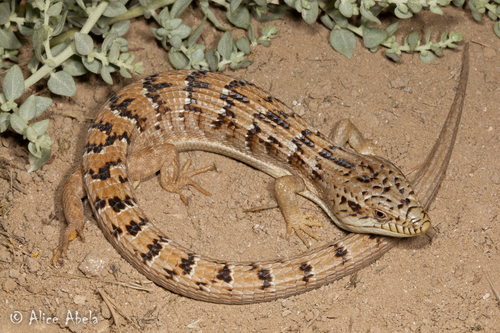
California, US
Puedes ver Southern Alligator Lizard, Grasses y Catchweed Bedstraw.
Ver guía →


















