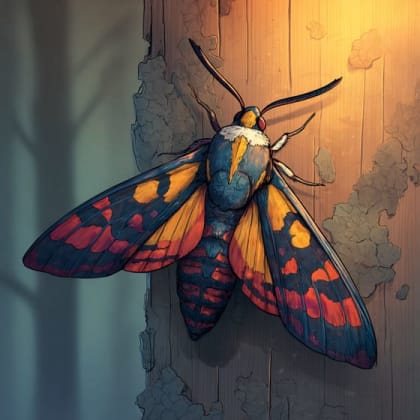
Coppery Leafhopper
Jikradia olitoria
The Coppery Leafhopper is a small, colorful insect that loves to hop around on plants. It has shiny, coppery wings that sparkle in the sunlight, making it look like a tiny gem in the garden!
Hábitat: Grasslands
The Coppery Leafhopper is a small insect, usually 3-5 mm long, with a distinct coppery-brown to reddish body. It often has subtle pale markings on its wings and a broad, shovel-shaped head that makes it visually different from many other leafhoppers.
Categoría
InsectosRareza
Common
Peligro
1/5 · Muy bajo
Snaps
¡Sé la primera persona en hacer un snap!
Their straw-like mouthparts are called a "rostrum" and can pierce tough plant tissues!
These tiny insects can "sing" by vibrating special body parts, sending messages through plants!
They leave behind tiny, sticky droplets called "honeydew" after feasting on sweet plant sap!
When disturbed, Coppery Leafhoppers often quickly scuttle sideways or backwards before jumping away!
Coppery Leafhopper can leap incredible distances because of powerful hind legs that help them escape danger quickly.
Coppery Leafhopper has a straw-like mouthpart that helps them suck sugary sap directly from plant stems.
Coppery Leafhopper can quickly hide by pressing flat against plant stems and blending in with its earthy color.
Coppery Leafhoppers are plant-eaters that love to sip sweet sap from plant stems.

Trifolium pratense
A primary food source for leafhoppers.

Medicago sativa
Provides essential nutrients through its sap.
Araneus diadematus
Hunts and captures leafhoppers in its web.
Sialia sialis
Preys on various small insects, including leafhoppers.
Los animales solitarios viven solos durante la mayor parte de su vida y solo interactúan con otros para aparearse o cuidar de sus crías.
El camuflaje describe a los organismos que poseen colores o patrones que les permiten mezclarse con su entorno.
Colorido describe a organismos u objetos que exhiben una amplia variedad de colores brillantes y distintivos.
Este rasgo caracteriza a los organismos cuya dieta consiste total o principalmente en material vegetal.

Describe plantas que son particularmente atractivas y beneficiosas para una amplia variedad de organismos polinizadores.

Los hábitats de pastizales son biomas terrestres dominados por pastos y plantas herbáceas, que sustentan a una variedad de animales de pastoreo.

Los animales diurnos están activos principalmente durante el día y suelen descansar o dormir por la noche.

Este rasgo identifica a los organismos que exhiben una rapidez excepcional en sus movimientos para cazar, escapar o desplazarse.

Describe organismos que transfieren polen, permitiendo la fertilización y reproducción de las plantas.
Todavía no hay alias listados.
Peligro
1/5 · Muy bajo
Leafhoppers are harmless, but it's best to observe them without touching.
6-10 mm
3-5 mm
30-60 días
Coppery Leafhoppers are plant-eaters that love to sip sweet sap from plant stems.
Grasslands
Foraging
6
Acércate para separar los grupos y explorar dónde se ha fotografiado este objeto.
Los snaps recientes aparecerán aquí a medida que se añadan nuevas observaciones.
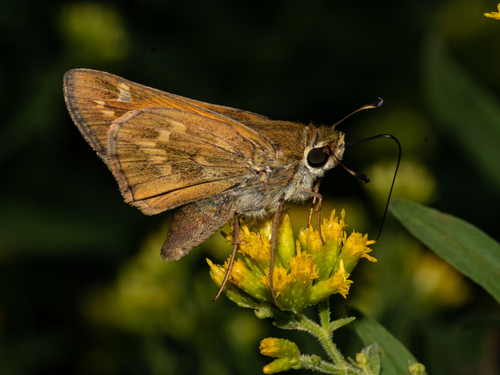
Virginia, US
Puedes ver Huron Skipper, Escarabajo Japonés y Peck's Skipper.
Ver guía →
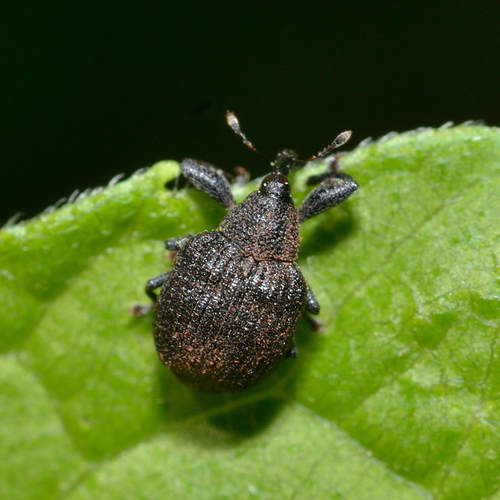
Virginia, US
Puedes ver Yellow Poplar Weevil y Mariquita Asiática.
Ver guía →
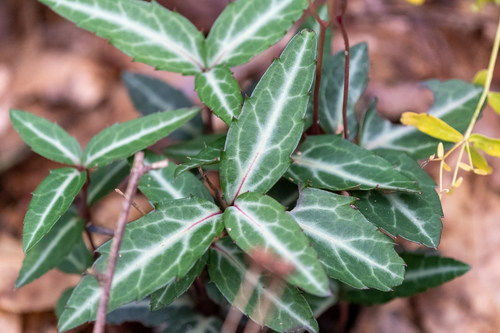
Virginia, US
Puedes ver Striped Wintergreen, Christmas Fern y Autumn Olive.
Ver guía →
Virginia, US
Puedes ver Sapo Americano, Tortuga De Caja Oriental y Petirrojo Americano.
Ver guía →




%2C_mating.jpg&width=800)