cutleaf coneflower
Rudbeckia laciniata
The cutleaf coneflower is a bright yellow flower with unique, jagged leaves. It loves to grow in sunny places and can reach up to 6 feet tall, making it a cheerful sight in gardens and fields.
Hábitat: Grasslands
The cutleaf coneflower is a tall plant with upright stems. It has deeply lobed, 'cut-like' leaves and bright yellow ray petals that droop downwards, surrounding a prominent, often greenish-yellow central cone. Its distinctive form stands out in meadows.
Categoría
PlantasRareza
Common
Peligro
1/5 · Muy bajo
Snaps
¡Sé la primera persona en hacer un snap!
Early settlers learned from Native Americans to use its roots for health teas.
Its name 'laciniata' means 'slashed' in Latin, referring to its deeply cut leaves!
Sometimes called 'goldenglow' because its bright blooms shine in the autumn landscape!
The tall green center isn't one flower, but hundreds of tiny flowers packed together!
Cutleaf coneflower can spread through underground stems (rhizomes) that help it form colonies and claim new ground.
Cutleaf coneflower can grow over 10 feet tall, allowing it to reach above other plants and capture more sunlight.
Cutleaf coneflower has bright, nectar-rich flowers that attract many bees and butterflies, ensuring its reproduction.
Cutleaf coneflower roots have traditionally been used to make medicinal teas, showcasing its historical value.
Apis mellifera
collects nectar and pollen
Danaus plexippus
feeds on its nectar
Carduelis tristis
enjoys its nutritious seeds
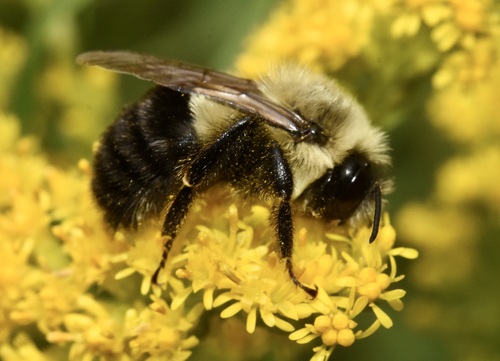
Bombus impatiens
collects nectar and pollen
Las plantas con flores son cualquier planta que produce flores como parte de su ciclo reproductivo.
Las plantas de floración de verano producen sus flores durante la temporada estival, a menudo aportando un color vibrante cuando muchas otras plantas ya han terminado de florecer.
Colorido describe a organismos u objetos que exhiben una amplia variedad de colores brillantes y distintivos.
Las plantas comestibles son aquellas partes de una planta que se consideran seguras para el consumo humano.

Las plantas de crecimiento rápido exhiben tasas de crecimiento aceleradas, aumentando rápidamente de tamaño y biomasa en un corto período de tiempo.

Describe plantas que son particularmente atractivas y beneficiosas para una amplia variedad de organismos polinizadores.

Los hábitats de pastizales son biomas terrestres dominados por pastos y plantas herbáceas, que sustentan a una variedad de animales de pastoreo.
Todavía no hay alias listados.
Peligro
1/5 · Muy bajo
Always look but don't pick flowers, so everyone can enjoy them!
100-300 cm
60-120 cm
5-10 cm
Late summer to fall
Sí
Ninguna
Perenne
Insectos
Acércate para separar los grupos y explorar dónde se ha fotografiado este objeto.
Los snaps recientes aparecerán aquí a medida que se añadan nuevas observaciones.