






Eastern Calligrapher
Toxomerus geminatus
The Eastern Calligrapher is a small, colorful fly that loves to zoom around flowers. They are great at helping plants by spreading pollen while they sip nectar.
Hábitat: Urban areas
The Eastern Calligrapher has a black and bright yellow striped abdomen, often with distinctive broken or curved markings resembling calligraphy. Its body is somewhat flattened and lacks the narrow 'waist' of a wasp, which helps differentiate it from stinging insects.
Categoría
InsectosRareza
Common
Peligro
1/5 · Muy bajo
Snaps
¡Sé la primera persona en hacer un snap!
Adults are vegetarians, sipping nectar and pollen from many different flowers.
Despite looking like a bee, Eastern Calligraphers cannot sting or bite you!
Their super-fast wing beats create a buzzing sound, even when they hover still!
They have huge compound eyes that let them see almost all around their heads!
Eastern Calligrapher can hover in place like a tiny helicopter that helps them precisely land on flowers to drink nectar.
Eastern Calligrapher has a striped pattern that helps them scare away predators by looking like a stinging bee or wasp.
Eastern Calligrapher larvae can gobble up garden pests like aphids that helps protect plants.
Adults drink nectar and pollen, while their larvae are mighty hunters of tiny garden pests.
Diferencias por edad: Yes, adults feed on nectar and pollen, but their larvae are carnivores, eating aphids and other soft-bodied insects.
Turdus migratorius
Birds often prey on adult Eastern Calligraphers for food.
Aphis gossypii
Larvae of the Eastern Calligrapher feast on these common garden pests.
Rudbeckia hirta
Adults help pollinate these flowers while collecting nectar and pollen.
Mantis religiosa
These ambush predators will catch and eat adult hoverflies.
Marcado con bandas paralelas o líneas de color.
Los animales sociales viven en grupos organizados, cooperando para obtener beneficios de supervivencia como la búsqueda de alimento, la defensa y la cría de descendencia.
Las criaturas aéreas pasan una parte importante de su vida en el aire, utilizando el vuelo para diversas actividades como la caza, la migración o la anidación.
Colorido describe a organismos u objetos que exhiben una amplia variedad de colores brillantes y distintivos.

Este rasgo caracteriza a los organismos cuya dieta consiste total o principalmente en material vegetal.

Describe plantas que son particularmente atractivas y beneficiosas para una amplia variedad de organismos polinizadores.

Los animales diurnos están activos principalmente durante el día y suelen descansar o dormir por la noche.

Esta característica de hábitat indica especies que pueden coexistir con los humanos en entornos urbanos y suburbanos, utilizando estructuras artificiales y espacios verdes.

Describe organismos que transfieren polen, permitiendo la fertilización y reproducción de las plantas.
Todavía no hay alias listados.
Peligro
1/5 · Muy bajo
These flies are harmless, but it's best to watch them from a distance.
9-18 mm
6-9 mm
30-60 días
Adults drink nectar and pollen, while their larvae are mighty hunters of tiny garden pests.
Urban areas
Foraging
6
Acércate para separar los grupos y explorar dónde se ha fotografiado este objeto.
Los snaps recientes aparecerán aquí a medida que se añadan nuevas observaciones.
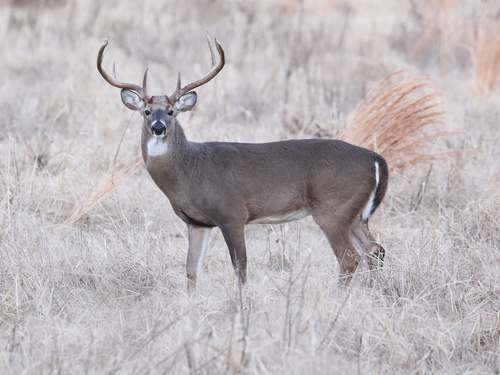
Virginia, US
Puedes ver Ciervo De Cola Blanca, Cardenal Norteño y Zorro Rojo.
Ver guía →

Québec, CA
Puedes ver Common Eastern Bumble Bee y Mariquita Asiática.
Ver guía →
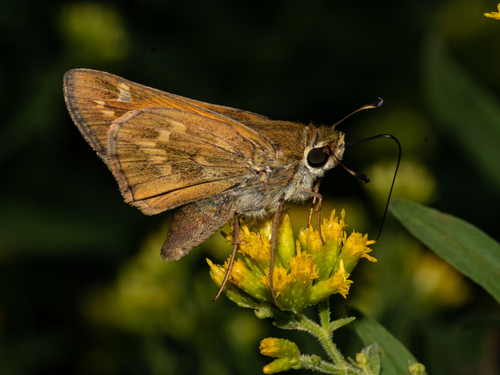
Virginia, US
Puedes ver Huron Skipper, Escarabajo Japonés y Peck's Skipper.
Ver guía →






.jpg&width=800)





