






Eastern Tailed-Blue
Cupido comyntas
The Eastern Tailed-Blue is a small butterfly with beautiful blue wings. It loves to flutter around flowers and is often seen in gardens and fields.
Hábitat: Grasslands
The Eastern Tailed-Blue has iridescent blue upper wings in males, while females are duller blue or brownish-grey. Both sexes feature two small black spots and delicate, thread-like 'tails' near the hindwing margin, often edged with orange.
Categoría
InsectosRareza
Common
Peligro
1/5 · Muy bajo
Snaps
¡Sé la primera persona en hacer un snap!
Male Eastern Tailed-Blues often 'puddle' together, drinking minerals from damp ground!
Some Eastern Tailed-Blue caterpillars secrete a sugary fluid that ants love to drink!
Their tiny, ridged eggs are often laid one by one on the tender young leaves of host plants.
These butterflies are 'generalists' and can thrive in many different habitats, even bustling cities!
Eastern Tailed-Blue has tiny 'tails' and eye-spots that mimic a head, making predators strike the wrong end, allowing for escape.
Its caterpillars can be green or brown and have a bumpy texture, helping them perfectly blend with their host plants to hide.
The butterfly has a long, straw-like proboscis that helps it reach deep into flowers to slurp up sweet nectar.
Adults sip flower nectar; caterpillars munch on legume leaves.
Diferencias por edad: Larvae (caterpillars) feed on plant leaves and flowers; adults feed on nectar from various flowering plants.

Trifolium repens
Adults visit for nectar.
Cyanocitta cristata
A common bird predator.

Medicago sativa
Larvae feed on leaves.
Misumena vatia
Ambush predator on flowers.
Colorido describe a organismos u objetos que exhiben una amplia variedad de colores brillantes y distintivos.
Este rasgo caracteriza a los organismos cuya dieta consiste total o principalmente en material vegetal.
Describe plantas que son particularmente atractivas y beneficiosas para una amplia variedad de organismos polinizadores.
Los hábitats de pastizales son biomas terrestres dominados por pastos y plantas herbáceas, que sustentan a una variedad de animales de pastoreo.

Los animales diurnos están activos principalmente durante el día y suelen descansar o dormir por la noche.

Este rasgo identifica a los organismos que exhiben una rapidez excepcional en sus movimientos para cazar, escapar o desplazarse.

Describe organismos que transfieren polen, permitiendo la fertilización y reproducción de las plantas.
Todavía no hay alias listados.
Peligro
1/5 · Muy bajo
Butterflies are gentle and safe to watch. Be quiet and still to see them better!
25-35 mm
20-30 mm
10-20 días
Adults sip flower nectar; caterpillars munch on legume leaves.
Grasslands
Foraging
6
Acércate para separar los grupos y explorar dónde se ha fotografiado este objeto.
Los snaps recientes aparecerán aquí a medida que se añadan nuevas observaciones.
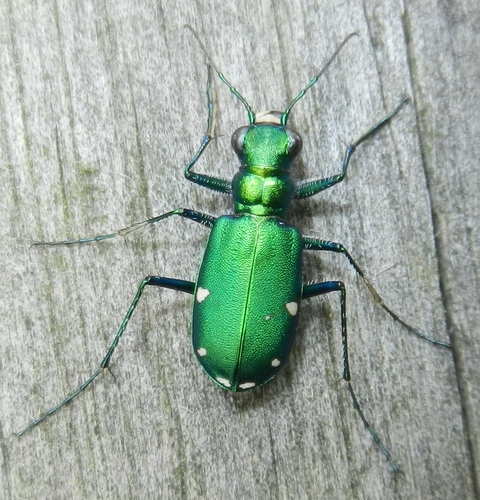
Indiana, US
Puedes ver Six-Spotted Tiger Beetle, Garlic Mustard y Buitre.
Ver guía →
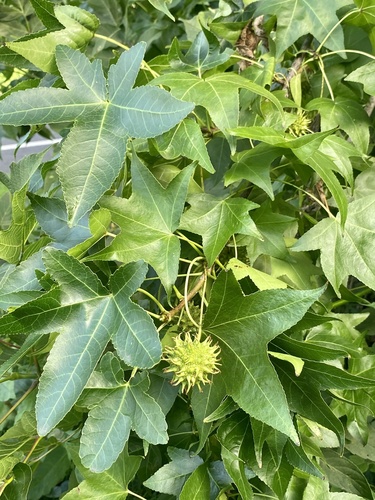
District of Columbia, US
Puedes ver Liquidámbar Americano, Amur Honeysuckle y Virginia Creeper.
Ver guía →
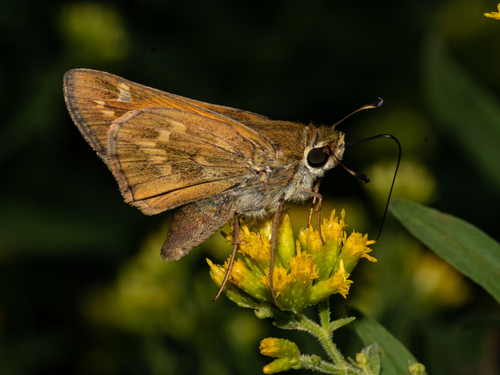
Virginia, US
Puedes ver Huron Skipper, Escarabajo Japonés y Peck's Skipper.
Ver guía →

Virginia, US
Puedes ver Autumn Olive, Japanese Barberry y Virginia Bluebells.
Ver guía →
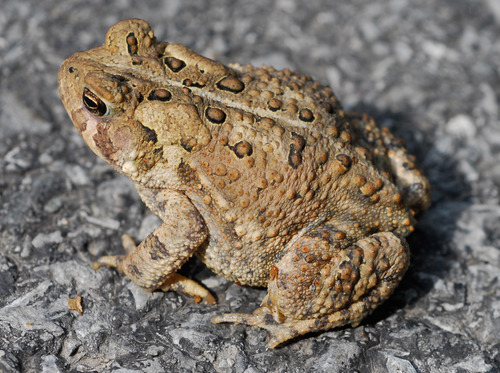
Virginia, US
Puedes ver Sapo Americano, Tortuga De Caja Oriental y Petirrojo Americano.
Ver guía →












