






Ebony Jewelwing
Calopteryx maculata
The Ebony Jewelwing is a beautiful dragonfly with shiny black wings and a sparkling blue-green body. They love to flutter around near water and are fun to watch as they dance in the air.
Hábitat: Wetlands
The Ebony Jewelwing is a striking damselfly with a shimmering metallic green body. Males have distinctive, completely opaque black wings, while females have dark, smoky wings with a white spot near the tip. This unique combination of bright body and dark wings makes it easily identifiable.
Categoría
InsectosRareza
Common
Peligro
1/5 · Muy bajo
Snaps
¡Sé la primera persona en hacer un snap!
Males have wings so dark, they absorb sunlight to help warm up for flight!
These dainty insects often "perch" with their wings folded tightly along their body!
They spend over a year as a fierce larva, hidden at the bottom of streams!
Wow! Baby jewelwings breathe underwater using feathery gills on their tails!
Ebony Jewelwing males can perform elaborate aerial dances because of their powerful wings that help them attract mates.
Ebony Jewelwing females can lay eggs inside aquatic plant stems because of their special ovipositor that helps protect their young.
Ebony Jewelwing has large compound eyes that help them spot tiny flying insects while hunting over water.
Ebony Jewelwing males have completely black wings that flash in sunlight, helping them signal territory to other damselflies.
Ebony Jewelwings are aerial predators, snatching up tiny flying insects with lightning speed!
Diferencias por edad: Larvae eat tiny aquatic invertebrates, while adults feast on flying insects.
.jpg&width=800)
Tyrannus tyrannus
Adults are caught by quick-flying insectivorous birds.
Lithobates clamitans
Frogs ambush adult damselflies that fly too close to the water.
Lepomis macrochirus
Fish eat the aquatic larvae as a source of protein.
Typha latifolia
Adults perch on stems near water, resting and hunting.
Los animales solitarios viven solos durante la mayor parte de su vida y solo interactúan con otros para aparearse o cuidar de sus crías.
Las criaturas aéreas pasan una parte importante de su vida en el aire, utilizando el vuelo para diversas actividades como la caza, la migración o la anidación.
Colorido describe a organismos u objetos que exhiben una amplia variedad de colores brillantes y distintivos.
Este rasgo identifica a los organismos cuya dieta consiste principalmente en insectos y otros pequeños invertebrados.

Este rasgo de hábitat identifica especies que se encuentran en humedales, que son áreas de tierra saturadas de agua, ya sea permanente o estacionalmente, e incluyen marismas, pantanos y ciénagas.

Los animales diurnos están activos principalmente durante el día y suelen descansar o dormir por la noche.

Este rasgo identifica a los organismos que exhiben una rapidez excepcional en sus movimientos para cazar, escapar o desplazarse.

Los hábitats acuáticos abarcan entornos donde los organismos viven principalmente en el agua, incluidos océanos, ríos, lagos y humedales.

Describe organismos que transfieren polen, permitiendo la fertilización y reproducción de las plantas.
Peligro
1/5 · Muy bajo
Be careful near water where they live, and watch them from a safe distance.
50-70 mm
38-57 mm
30-60 días
8 km/h
Ebony Jewelwings are aerial predators, snatching up tiny flying insects with lightning speed!
Wetlands
Pursuit
6
Acércate para separar los grupos y explorar dónde se ha fotografiado este objeto.
Los snaps recientes aparecerán aquí a medida que se añadan nuevas observaciones.
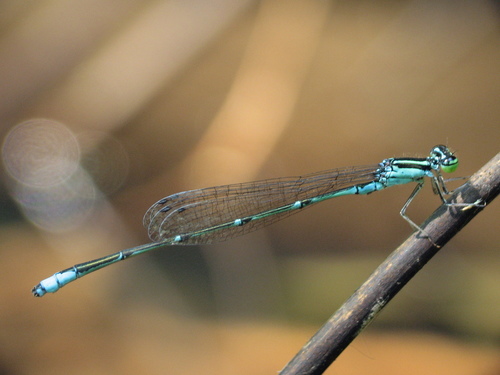
New York, US
Puedes ver Stream Bluet, Variable Dancer y Eastern Pondhawk.
Ver guía →

Virginia, US
Puedes ver Rana Verde, Pond Slider y Tortuga Mordedora.
Ver guía →
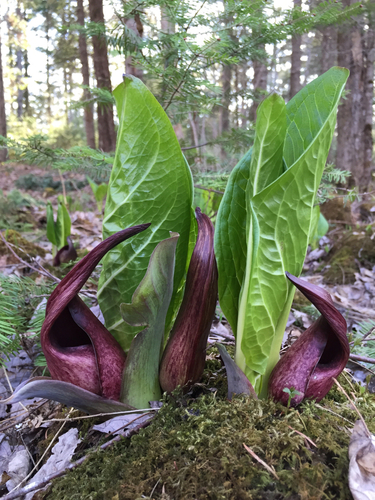
Virginia, US
Puedes ver Eastern Skunk Cabbage, Mayapple y Lesser Celandine.
Ver guía →

Virginia, US
Puedes ver Mayapple, Cardenal Norteño y Multiflora Rose.
Ver guía →
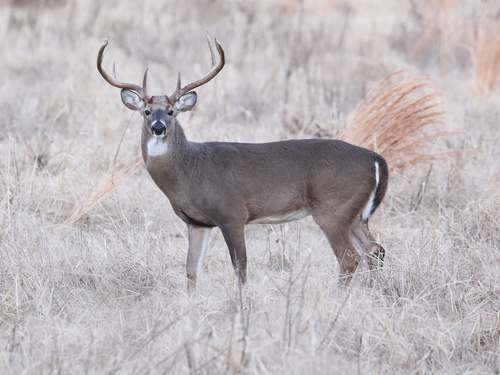
Michigan, US
Puedes ver Ciervo De Cola Blanca, Wild Bergamot y Pavo.
Ver guía →
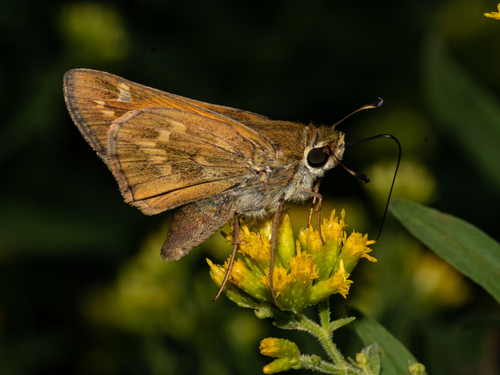
Virginia, US
Puedes ver Huron Skipper, Escarabajo Japonés y Peck's Skipper.
Ver guía →




_Erebia_aethiops_-_Bossey_Haute-Savoie_France_-_female.jpg&width=800)


.jpg&width=800)








