Echo Azure
Celastrina echo
The Echo Azure is a beautiful little butterfly with bright blue wings. It flutters around flowers and is often seen in gardens and meadows, bringing joy to everyone who spots it.
Hábitat: Meadows
The Echo Azure has iridescent, shimmering blue upperwings with thin dark margins, especially noticeable in males. Its undersides are a duller, silvery-white or grey. This small butterfly's vibrant blue sets it apart from many other subtle-colored insects.
Categoría
InsectosRareza
Common
Peligro
1/5 · Muy bajo
Snaps
¡Sé la primera persona en hacer un snap!
Echo Azure caterpillars are often tended by ants, who protect them in exchange for a sweet treat they secrete.
The 'Echo' in its name comes from a Greek myth about a nymph who could only repeat others' words!
Their wings are covered in thousands of tiny scales, which reflect light to create their dazzling blue color.
This tiny butterfly sometimes flies in 'broods,' meaning many can emerge together in spring or summer!
Echo Azure caterpillars can change color to perfectly match their host plants, helping them hide from hungry birds.
Echo Azures have a long, coiled proboscis that helps them drink sweet nectar from deep inside flowers.
Echo Azures undergo complete metamorphosis, transforming from a tiny egg to a caterpillar, then a chrysalis, and finally a butterfly.
Adults sip flower nectar; caterpillars munch on leaves, buds, and flowers of specific plants.
Diferencias por edad: Larvae eat plant parts, while adults drink nectar.
Cercis canadensis
Larvae feed on its leaves and flowers.
Vaccinium corymbosum
Caterpillars often feed on its buds and leaves.

Eupatorium perfoliatum
Adults visit its flowers for nectar, aiding pollination.
Cyanocitta cristata
Adult butterflies can be prey for birds.
Los animales sociales viven en grupos organizados, cooperando para obtener beneficios de supervivencia como la búsqueda de alimento, la defensa y la cría de descendencia.
Colorido describe a organismos u objetos que exhiben una amplia variedad de colores brillantes y distintivos.
Este rasgo caracteriza a los organismos cuya dieta consiste total o principalmente en material vegetal.
Describe plantas que son particularmente atractivas y beneficiosas para una amplia variedad de organismos polinizadores.

Los hábitats de pastizales son biomas terrestres dominados por pastos y plantas herbáceas, que sustentan a una variedad de animales de pastoreo.

Los animales diurnos están activos principalmente durante el día y suelen descansar o dormir por la noche.

Relativo a especies que son significativamente más pequeñas que lo típico o promedio de su tipo.

Describe organismos que transfieren polen, permitiendo la fertilización y reproducción de las plantas.
Peligro
1/5 · Muy bajo
Butterflies are gentle creatures, but it's best to watch them without touching.
25-38 mm
18-25 mm
7-14 días
10 km/h
Adults sip flower nectar; caterpillars munch on leaves, buds, and flowers of specific plants.
Meadows
Foraging
6
Acércate para separar los grupos y explorar dónde se ha fotografiado este objeto.
Los snaps recientes aparecerán aquí a medida que se añadan nuevas observaciones.
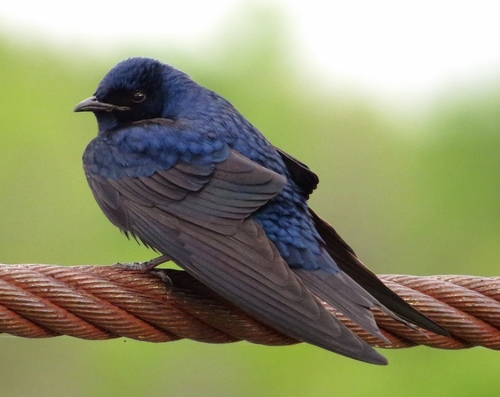
California, US
Puedes ver Purple Martin, Acorn Woodpecker y Junco Ojioscuro.
Ver guía →

British Columbia, CA
Puedes ver Western Skunk Cabbage, Devil's Club y Pacific Ninebark.
Ver guía →

British Columbia, CA
Puedes ver Broad-Leaved Stonecrop, Western Skunk Cabbage y Salal.
Ver guía →
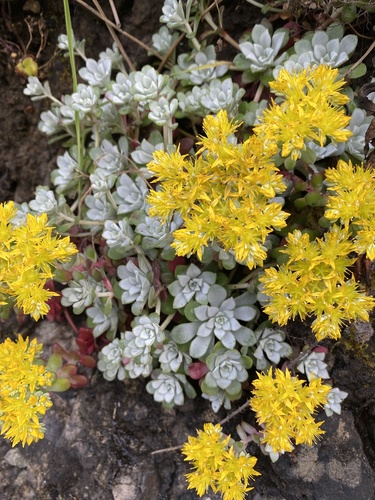
British Columbia, CA
Puedes ver Broad-Leaved Stonecrop y Littleleaf Silverback.
Ver guía →

British Columbia, CA
Puedes ver Western Sword Fern, Cascade Oregon-Grape y Ocean Spray.
Ver guía →
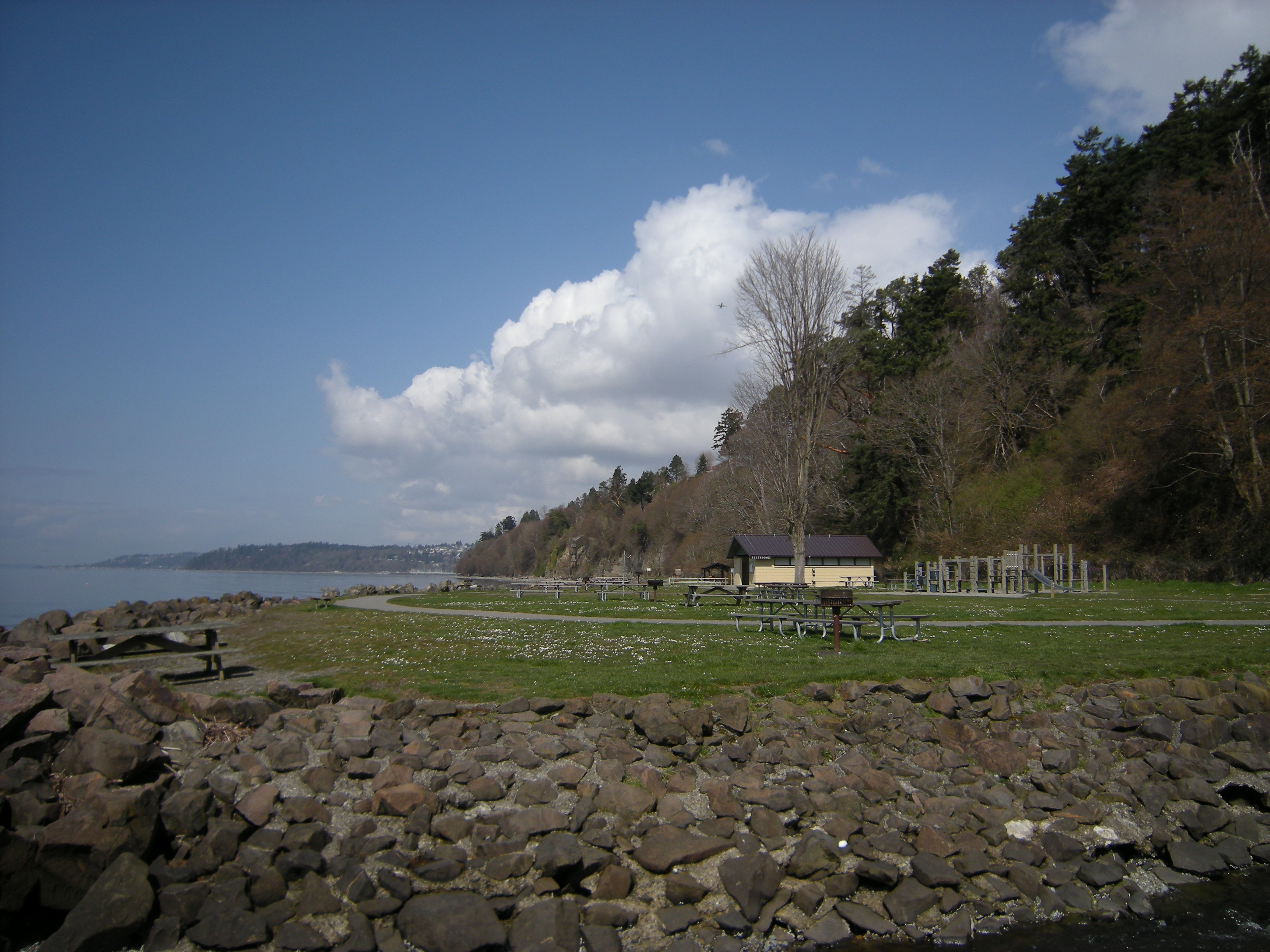
Washington, US
Puedes ver Bigleaf Maple, Western Redcedar y Aggregating Anemone.
Ver guía →




_Stenurella_melanura_on_Rubus_ulmifolius.jpg&width=800)