
.jpg&width=800)





Eight-spotted Skimmer
Libellula forensis
The Eight-spotted Skimmer is a beautiful dragonfly with eight spots on its wings! It loves to fly over ponds and lakes, catching tiny insects to eat.
Hábitat: Wetlands
The Eight-spotted Skimmer is a medium-sized dragonfly with a dark body, often with yellow side stripes. Its most distinctive feature is its wings, which have two prominent dark brown or black patches on each wing, making a total of eight spots. There is often a striking white or pale patch between the dark wing spots.
Categoría
InsectosRareza
Common
Peligro
1/5 · Muy bajo
Snaps
¡Sé la primera persona en hacer un snap!
Dragonflies spend most of their lives as fierce hunters underwater before taking to the sky!
Its amazing compound eyes have up to 30,000 tiny lenses for spotting the smallest prey!
They help keep pesky mosquito populations in check, especially around wetlands!
This ancient insect's ancestors flew the Earth over 300 million years ago, before dinosaurs!
Eight-spotted Skimmer has massive compound eyes that give it nearly 360-degree vision for spotting tiny insects.
Eight-spotted Skimmer can fly backward, hover, and dart rapidly, catching prey mid-air with incredible agility.
Eight-spotted Skimmer can move its four wings independently, allowing for amazing control and complex flight patterns.
An excellent hunter, it eats many flying insects, helping keep pest populations in check.
Diferencias por edad: Nymphs (young) hunt aquatic insects and small tadpoles, while adults exclusively catch flying insects.
Culex pipiens
helps control mosquito populations
Lithobates catesbeianus
nymphs are prey for this hungry amphibian
.jpg&width=800)
Tyrannus tyrannus
adults are a quick meal for this agile bird
Musca domestica
an active predator of these common pests
Marcado con manchas o parches de un color diferente.
Los animales solitarios viven solos durante la mayor parte de su vida y solo interactúan con otros para aparearse o cuidar de sus crías.
Las criaturas aéreas pasan una parte importante de su vida en el aire, utilizando el vuelo para diversas actividades como la caza, la migración o la anidación.
Colorido describe a organismos u objetos que exhiben una amplia variedad de colores brillantes y distintivos.

Este rasgo identifica a los organismos cuya dieta consiste principalmente en insectos y otros pequeños invertebrados.

Este rasgo de hábitat identifica especies que se encuentran en humedales, que son áreas de tierra saturadas de agua, ya sea permanente o estacionalmente, e incluyen marismas, pantanos y ciénagas.

Los hábitats de agua dulce incluyen entornos acuáticos no salinos como ríos, lagos, estanques y humedales, vitales para numerosas especies.

Los animales diurnos están activos principalmente durante el día y suelen descansar o dormir por la noche.

Este rasgo identifica a los organismos que exhiben una rapidez excepcional en sus movimientos para cazar, escapar o desplazarse.

Describe organismos que transfieren polen, permitiendo la fertilización y reproducción de las plantas.
Todavía no hay alias listados.
Peligro
1/5 · Muy bajo
Dragonflies are friendly and won't hurt you, but it's best to watch them from a distance.
70-90 mm
45-55 mm
30-90 días
35 km/h
An excellent hunter, it eats many flying insects, helping keep pest populations in check.
Wetlands
Pursuit
6
Acércate para separar los grupos y explorar dónde se ha fotografiado este objeto.
Los snaps recientes aparecerán aquí a medida que se añadan nuevas observaciones.

Washington, US
Puedes ver Barnacla Canadiense, Pato y American Coot.
Ver guía →
British Columbia, CA
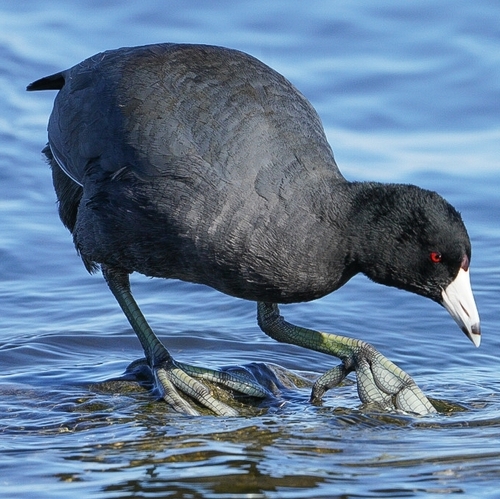
Puedes ver American Coot, Pato y Barnacla Canadiense.
Ver guía →
.jpg)
Washington, US
Puedes ver Pato, Garza Azulada y Western Redcedar.
Ver guía →

Washington, US
Puedes ver Tsuga Del Pacífico, Pato y Western Sword Fern.
Ver guía →

British Columbia, CA
Puedes ver Western Toad, Ghost Pipe y Pacific Coralroot.
Ver guía →

British Columbia, CA
Puedes ver Western Skunk Cabbage, Devil's Club y Pacific Ninebark.
Ver guía →







_(9061417837).jpg&width=800)







