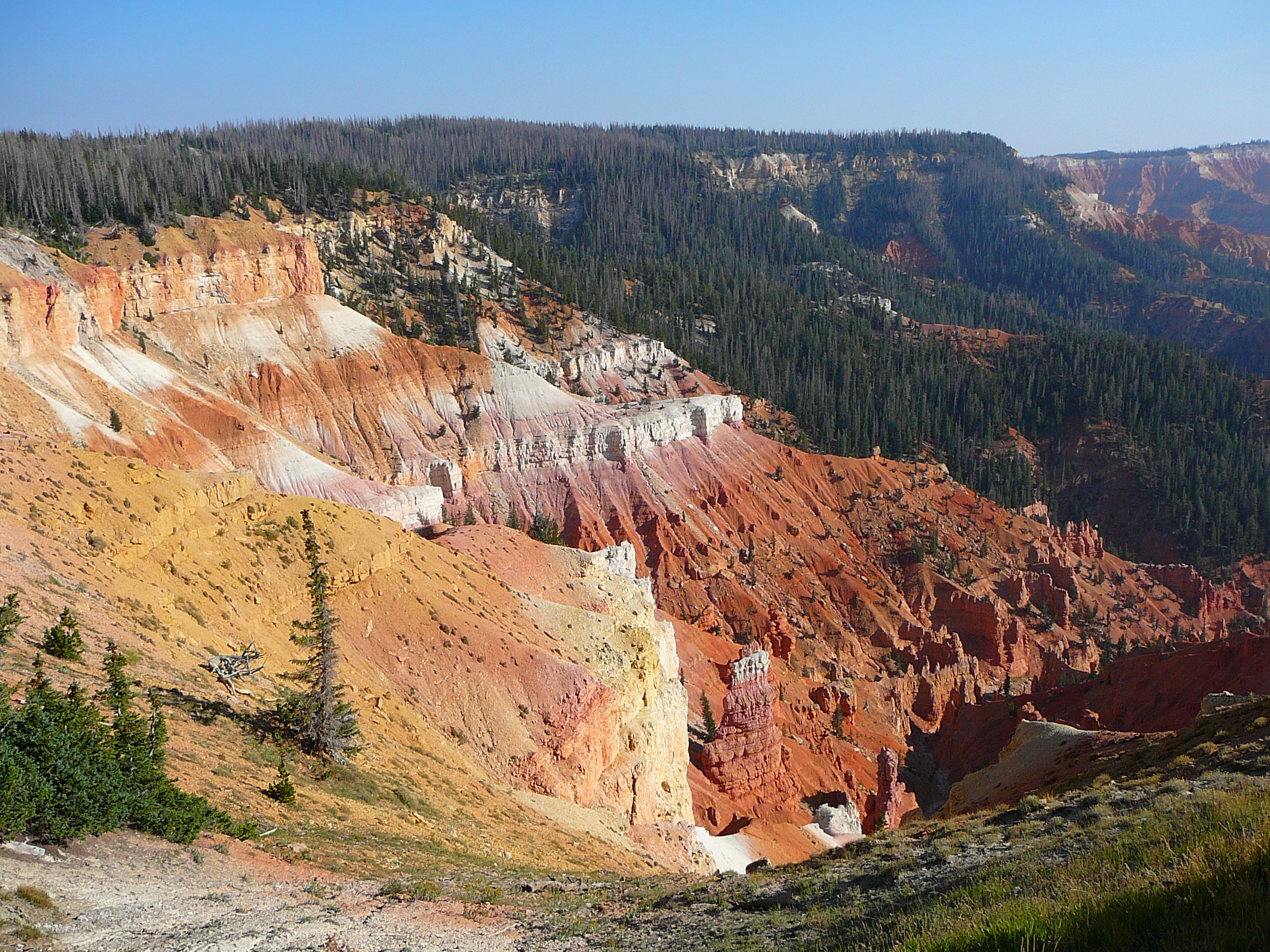




Engelmann spruce
Picea engelmannii
The Engelmann spruce is a tall tree with soft, needle-like leaves. It grows in cool, mountainous areas and provides homes for many animals. Its wood is strong and used for making things like musical instruments!
Hábitat: Mountain regions
The Engelmann spruce is a tall, slender conifer with a narrow, spire-like crown. It has sharp, four-sided needles, often bluish-green, and reddish-brown cones that hang from its branches. Its bark is thin and scaly, often purplish-brown.
Categoría
PlantasRareza
Common
Peligro
1/5 · Muy bajo
Snaps
¡Sé la primera persona en hacer un snap!
Indigenous peoples historically brewed its vitamin C-rich needles into a fortifying, healthful tea.
Its strong, resonant wood is often used to make guitars and other musical instruments!
This tough tree can grow right up to the treeline, where mountains meet the sky!
Tiny Engelmann spruce seeds provide vital winter food for many high-altitude birds and squirrels.
Engelmann spruce can thrive in harsh mountain environments, growing at very high elevations where few other trees survive.
Its downward-sloping branches help Engelmann spruce shed heavy snow, preventing breakage and allowing it to survive harsh winters.
Its aromatic needles release a crisp, resinous scent, which might deter some herbivores or signal its presence in the forest.
Tamiasciurus hudsonicus
Feeds on seeds from cones.

Dendragapus obscurus
Browses on its nutrient-rich needles.
Ursus americanus
Uses dense stands for dens and cover.
Odocoileus hemionus
Browses on young shoots and foliage.
Las plantas coníferas suelen ser de hoja perenne, con agujas o escamas y conos reproductivos.
Las plantas de hoja perenne conservan su follaje durante todo el año, sin perder nunca todas sus hojas a la vez.
Las plantas resistentes al frío son capaces de soportar bajas temperaturas y condiciones de congelación sin sufrir daños significativos.
Los árboles de hoja ancha son angiospermas caracterizadas por hojas planas y anchas que típicamente se caen anualmente en climas templados.

Se refiere a la madera que ha sido preparada para su uso en la construcción y la carpintería.

Este rasgo de hábitat identifica a las especies que se encuentran en regiones montañosas, caracterizadas por su gran altitud, pendientes pronunciadas y zonas climáticas variables.

Este rasgo caracteriza a los organismos con una esperanza de vida excepcionalmente larga en comparación con otros de su especie.

Describe una especie cuya presencia y papel tienen un efecto desproporcionadamente grande en su entorno.
Todavía no hay alias listados.
Peligro
1/5 · Muy bajo
Stay on paths when exploring forests and don't climb trees without an adult.
3000-6000 cm
500-1000 cm
Sí
Ninguna
Perenne
Viento
Mountain regions
Acércate para separar los grupos y explorar dónde se ha fotografiado este objeto.
Los snaps recientes aparecerán aquí a medida que se añadan nuevas observaciones.