Fairy-slipper
Calypso bulbosa
The Fairy-slipper is a beautiful flower that looks like a tiny slipper! It grows in the forest and has lovely pink and white colors that make it special and magical.
Hábitat: Forests
The Fairy-slipper is a small, striking orchid with a single pink to magenta flower. Its lower petal forms a distinctive pouch, often spotted with purple and fringed with yellow hairs. A single green, corrugated leaf appears earlier and withers before blooming.
Categoría
PlantasRareza
Rare
Peligro
1/5 · Muy bajo
Snaps
¡Sé la primera persona en hacer un snap!
It takes special fungi to help the tiny seeds sprout and grow into a plant!
Its name comes from a mythical Greek nymph who lived in secret!
This orchid grows a single leaf in fall that survives winter to feed the spring flower!
Unlike most flowers, it offers no nectar, tricking pollinators with its beautiful looks!
Fairy-slipper flowers mimic nectar-rich plants, tricking bees into pollinating them without offering a reward!
Fairy-slipper has a bulb-like corm that allows it to survive harsh winters hidden beneath the soil.
Fairy-slipper depends on a special underground fungus to help it absorb vital nutrients, especially when young.
Bombus bifarius
visits flowers, seeking a deceptive nectar reward
Odocoileus virginianus
browses its leaves and flowers when abundant
Deroceras reticulatum
may browse its leaves and flowers on the forest floor
Las plantas con flores son cualquier planta que produce flores como parte de su ciclo reproductivo.
Las plantas de floración primaveral producen sus flores durante la temporada de primavera, lo que a menudo significa el final del invierno y el comienzo de un nuevo crecimiento.
Las plantas tolerantes a la sombra están adaptadas para crecer y prosperar en áreas con bajos niveles de luz, requiriendo menos luz solar directa.
Las flores fragantes emiten un aroma agradable, a menudo para atraer polinizadores o como defensa.

Colorido describe a organismos u objetos que exhiben una amplia variedad de colores brillantes y distintivos.

Describe plantas que son particularmente atractivas y beneficiosas para una amplia variedad de organismos polinizadores.

Los hábitats boscosos son entornos terrestres dominados por una densa cubierta arbórea, que sustentan una gran diversidad de vida animal y vegetal.

Relativo a especies que son significativamente más pequeñas que lo típico o promedio de su tipo.

El estado de peligro de extinción indica que una especie corre un riesgo muy alto de extinguirse en estado silvestre en un futuro próximo.
Peligro
1/5 · Muy bajo
Always look but don't pick the flowers, so they can keep growing!
5-20 cm
5-10 cm
2-4 cm
Primavera
No
Ninguna
Perenne
Insectos
Acércate para separar los grupos y explorar dónde se ha fotografiado este objeto.
Los snaps recientes aparecerán aquí a medida que se añadan nuevas observaciones.

British Columbia, CA
Puedes ver American Dipper, Salmón Rojo y Pato.
Ver guía →

British Columbia, CA
Puedes ver Broad-Leaved Stonecrop, Foca Común y Ochre Sea Star.
Ver guía →
British Columbia, CA
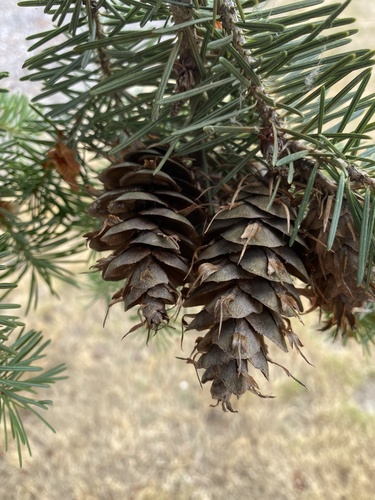
Puedes ver Abeto De Douglas, Purple Foxglove y Oregon Oak.
Ver guía →

Washington, US
Puedes ver Zorro Rojo, Ghost Pipe y Zarzamora.
Ver guía →

Washington, US
Puedes ver Oregon Oak, Pacific Madrone y Fairy-Slipper.
Ver guía →
British Columbia, CA
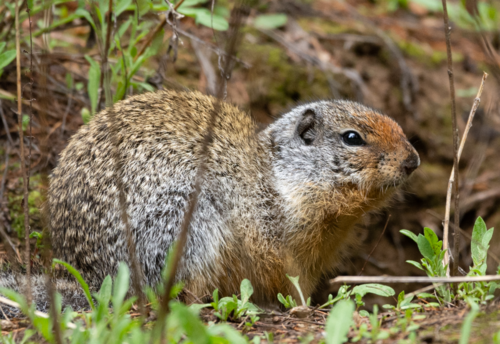
Puedes ver Columbian Ground Squirrel y Spotted Knapweed.
Ver guía →










_Dianthus_armeria_-_Plant_habit.jpg&width=800)