Forest Bumble Bee
Bombus sylvicola
The Forest Bumble Bee is a fuzzy little insect that loves to buzz around flowers. They help plants grow by spreading pollen, making them very important for nature!
Hábitat: Forests
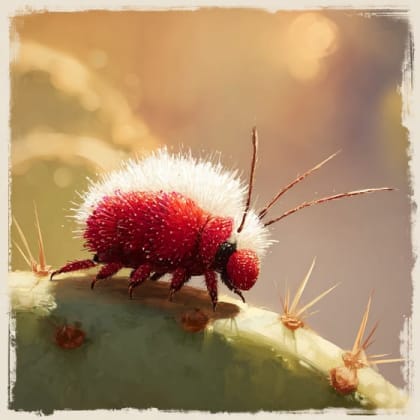
The Forest Bumble Bee is a medium-sized, fuzzy bee with a mostly black body, accented by yellow bands across its thorax and the first abdominal segment. Its most distinguishing feature is a vibrant reddish-orange tail, making it stand out from similar species.
Categoría
InsectosRareza
Common
Peligro
1/5 · Muy bajo
Snaps
¡Sé la primera persona en hacer un snap!
Each queen bumble bee starts her entire new colony alone every spring!
Some Forest Bumble Bees are secret nectar 'robbers', chewing holes in flowers to sip nectar!
They can remember the locations of the best flowers for many days, even weeks!
Wow, these bees use their wings to create a breeze, cooling down their nests on hot days!
Forest Bumble Bee can 'buzz-pollinate' flowers by vibrating its body, releasing pollen that other insects often can't reach.
Forest Bumble Bee has a dense, fuzzy coat and can shiver its flight muscles, helping it stay warm and fly in cooler temperatures.
Forest Bumble Bee has a relatively long tongue that helps it reach nectar deep inside tubular flowers, accessing more food sources.
These fuzzy bees sip sweet nectar for energy and gather protein-rich pollen to feed their young!
Digitalis purpurea
Helps reproduce by transferring pollen

Trifolium pratense
An important pollinator for this plant
Bombus bohemicus
Lays eggs in their nests

Lanius collurio
Can be prey for these birds
Peludo describe a los animales que poseen una cubierta densa de pelo o pelaje suave.
Los animales sociales viven en grupos organizados, cooperando para obtener beneficios de supervivencia como la búsqueda de alimento, la defensa y la cría de descendencia.
Este rasgo caracteriza a los organismos cuya dieta consiste total o principalmente en material vegetal.
Describe plantas que son particularmente atractivas y beneficiosas para una amplia variedad de organismos polinizadores.

Los hábitats boscosos son entornos terrestres dominados por una densa cubierta arbórea, que sustentan una gran diversidad de vida animal y vegetal.

Los animales diurnos están activos principalmente durante el día y suelen descansar o dormir por la noche.

Describe una especie cuya presencia y papel tienen un efecto desproporcionadamente grande en su entorno.

Describe organismos que transfieren polen, permitiendo la fertilización y reproducción de las plantas.
Todavía no hay alias listados.
Peligro
1/5 · Muy bajo
Don't touch bees, but watch them from a distance. They are usually friendly!
20-35 mm
10-18 mm
14-42 días
20 km/h
These fuzzy bees sip sweet nectar for energy and gather protein-rich pollen to feed their young!
Forests
Foraging
6
Acércate para separar los grupos y explorar dónde se ha fotografiado este objeto.
Los snaps recientes aparecerán aquí a medida que se añadan nuevas observaciones.