_Epilobium_ciliatum_-_flowers.jpg&width=800)





fringed willowherb
Epilobium ciliatum
Fringed willowherb is a pretty flower with soft, pink petals that bloom in summer. It loves to grow near water and can often be seen in meadows and along streams.
Hábitat: Wetlands
The fringed willowherb has slender, upright stems topped with small, pinkish-purple flowers, each featuring four deeply notched petals. Its lance-shaped leaves are often hairy along their edges, giving a slightly 'fringed' appearance.
Categoría
PlantasRareza
Common
Peligro
1/5 · Muy bajo
Snaps
¡Sé la primera persona en hacer un snap!
Its long, slender seed pods split open to release hundreds of tiny, parachute-like seeds!
The young leaves and shoots are edible, tasting a bit like mild spinach or lettuce!
This plant is often one of the very first to grow in recently cleared or disturbed areas!
You can sometimes find it growing right out of cracks in pavements or even walls!
Fringed willowherb has seeds with a fluffy 'parachute' that helps them float on the wind to spread far and wide.
This plant can rapidly grow in disturbed soil, helping it quickly take over bare ground after disruptions.
Fringed willowherb can also spread using underground stems, helping it form dense patches and persist.
Apis mellifera
collects nectar and pollen from flowers.
Bombus impatiens
feeds on nectar and pollen, aiding reproduction.

Arion ater
grazes on the leaves and young shoots.
Las plantas caducifolias pierden periódicamente todas sus hojas, por lo general durante el otoño o las estaciones secas.
Las plantas con flores son cualquier planta que produce flores como parte de su ciclo reproductivo.
Las plantas de floración de verano producen sus flores durante la temporada estival, a menudo aportando un color vibrante cuando muchas otras plantas ya han terminado de florecer.
Las plantas de crecimiento rápido exhiben tasas de crecimiento aceleradas, aumentando rápidamente de tamaño y biomasa en un corto período de tiempo.

Describe plantas que son particularmente atractivas y beneficiosas para una amplia variedad de organismos polinizadores.

Este rasgo de hábitat identifica especies que se encuentran en humedales, que son áreas de tierra saturadas de agua, ya sea permanente o estacionalmente, e incluyen marismas, pantanos y ciénagas.
Todavía no hay alias listados.
Peligro
1/5 · Muy bajo
Always look but don't touch flowers without asking an adult first.
10-150 cm
20-60 cm
0.5-1 cm
Summer-fall
Sí
Ninguna
Perenne
Insectos
Acércate para separar los grupos y explorar dónde se ha fotografiado este objeto.
Los snaps recientes aparecerán aquí a medida que se añadan nuevas observaciones.
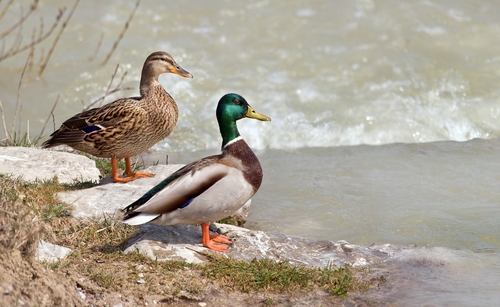
Washington, US
Puedes ver Pato, American Coot y Barnacla Canadiense.
Ver guía →

Washington, US
Puedes ver Araña De Jardín, Pato y Fringed Willowherb.
Ver guía →

Washington, US
Puedes ver Araña De Jardín, Western Redcedar y Fringed Willowherb.
Ver guía →

Washington, US
Puedes ver Prostrate Knotweed, Common Dandelion y Pato.
Ver guía →
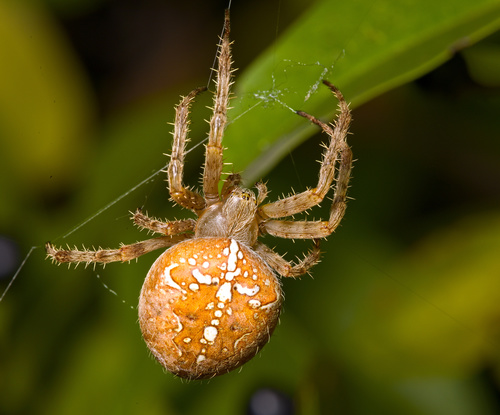
Washington, US
Puedes ver Araña De Jardín, Fringed Willowherb y Yellow-Faced Bumble Bee.
Ver guía →
.jpg)
Washington, US
Puedes ver Cuervo Americano, Redstem Stork's-Bill y Junco Ojioscuro.
Ver guía →