






Gray Buckeye
Junonia grisea
The Gray Buckeye is a beautiful butterfly with gray wings and orange spots. It loves to flutter around gardens and fields, bringing joy to everyone who sees it!
Hábitat: Urban areas, Gardens, Fields
The Gray Buckeye has a wingspan ranging from 4 to 7 centimeters, with dull grayish-brown wings that are often tinged with orange. Its most distinctive features are the large, prominent orange-ringed 'eyespots' found on both its forewings and hindwings, which can deter predators.
Categoría
InsectosRareza
Common
Peligro
1/5 · Muy bajo
Snaps
¡Sé la primera persona en hacer un snap!
A Gray Buckeye caterpillar wears spiky armor to protect itself while it munches on leaves!
Its babies, called caterpillars, eat snapdragon and plantain plants before turning into butterflies!
This butterfly's winter form has darker, duller wings, perfect for hiding among dry leaves!
You might see a Gray Buckeye warming up in sunny spots, spreading its wings like a tiny solar panel!
Gray Buckeye can change the color and pattern of its underside wings seasonally, helping it blend into different backgrounds.
Gray Buckeye can taste with special sensors on its feet that help it find the perfect plants for laying eggs or drinking nectar.
Gray Buckeye can fly quickly and erratically, which helps them escape from birds and other animals trying to catch them.
Adults sip flower nectar, while their caterpillars munch on plant leaves to grow big and strong.
Diferencias por edad: Caterpillars feed on plant leaves, while adult butterflies primarily drink nectar from flowers.
Plantago lanceolata
Caterpillars exclusively feed on its leaves for growth.

Helianthus annuus
Visits flowers like sunflowers, transferring pollen between them.
Cyanocitta cristata
A common bird that preys on butterflies and their caterpillars.
Ruellia caroliniensis
Caterpillars also feed on the leaves of this plant.
Marcado con manchas o parches de un color diferente.
Las criaturas aéreas pasan una parte importante de su vida en el aire, utilizando el vuelo para diversas actividades como la caza, la migración o la anidación.
Colorido describe a organismos u objetos que exhiben una amplia variedad de colores brillantes y distintivos.
Este rasgo caracteriza a los organismos cuya dieta consiste total o principalmente en material vegetal.

Describe plantas que son particularmente atractivas y beneficiosas para una amplia variedad de organismos polinizadores.

Los animales diurnos están activos principalmente durante el día y suelen descansar o dormir por la noche.

Esta característica de hábitat indica especies que pueden coexistir con los humanos en entornos urbanos y suburbanos, utilizando estructuras artificiales y espacios verdes.

Describe organismos que transfieren polen, permitiendo la fertilización y reproducción de las plantas.
Todavía no hay alias listados.
Peligro
1/5 · Muy bajo
Be gentle and watch butterflies from a distance so they feel safe.
40-70 mm
15-20 mm
14-30 días
15 km/h
Adults sip flower nectar, while their caterpillars munch on plant leaves to grow big and strong.
Urban areas, Gardens, Fields
Foraging
6
Acércate para separar los grupos y explorar dónde se ha fotografiado este objeto.
Los snaps recientes aparecerán aquí a medida que se añadan nuevas observaciones.

California, US
Puedes ver Ochre Sea Star, Giant Green Anemone y Sunburst Anemone.
Ver guía →
California, US
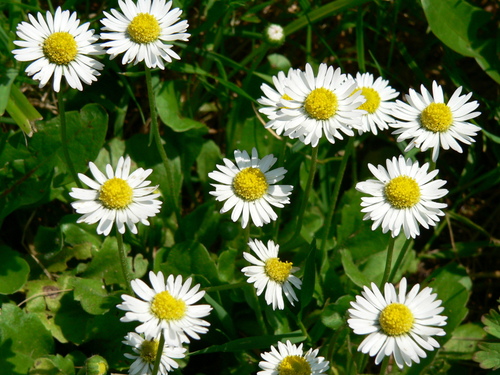
Puedes ver Margarita, Bird's-Eye Speedwell y Southern Masked Chafer.
Ver guía →
California, US
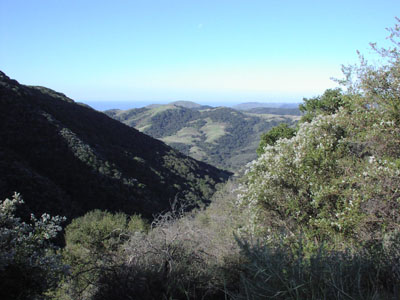
Puedes ver Lagartija Espinosa Del Oeste y Canyon Sunflower.
Ver guía →




_-_Mites_-_Collection_Anthonie_Cornelis_Oudemans.jpeg&width=800)







