






Greater White-fronted Goose
Anser albifrons
The Greater White-fronted Goose is a big bird with a lovely white patch on its face. It loves to swim in lakes and rivers and can often be seen flying in a V shape with its friends.
Hábitat: Wetlands
The Greater White-fronted Goose has a greyish-brown body with distinctive black bars and splotches on its belly. Adults feature a striking white patch at the base of their pink-orange bill, which makes them visually different from similar geese. Its head and neck are darker than its body.
Categoría
AvesRareza
Common
Peligro
2/5 · Bajo
Snaps
¡Sé la primera persona en hacer un snap!
Baby geese, called goslings, can walk and feed themselves within a day of hatching!
Some Greater White-fronted Geese have been recorded living for over 20 years!
The distinctive white patch on their face only appears when they become adults!
They often choose a mate for life and stay together for many, many years!
Greater White-fronted Geese can find tasty plants and seeds because of their strong bills that help them graze and dig effectively.
Greater White-fronted Geese can find their way across vast distances because they have an amazing sense of direction that helps them migrate accurately.
Greater White-fronted Geese have a diverse range of honks and calls that helps them stay connected and warn each other of danger.
These geese are plant-eaters, enjoying various greens and seeds they find in fields and wetlands.
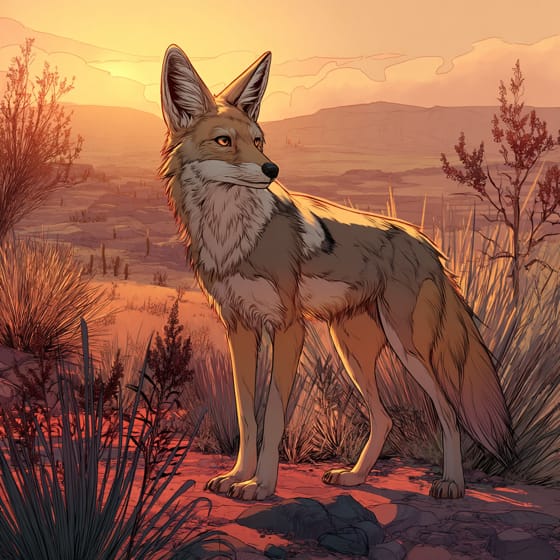
Canis latrans
preys on eggs and young goslings in nesting areas.
Poa pratensis
grazes on fresh grass shoots and leaves in fields.
Aquila chrysaetos
hunts goslings and sometimes adults during migration.
Triticum aestivum
forages in agricultural fields for fallen grains and sprouts.
Describe a los animales, principalmente aves, que poseen una cubierta de plumas.
Se caracteriza por tener los dedos conectados por una membrana, lo que generalmente ayuda a nadar.
Los animales sociales viven en grupos organizados, cooperando para obtener beneficios de supervivencia como la búsqueda de alimento, la defensa y la cría de descendencia.
Las criaturas aéreas pasan una parte importante de su vida en el aire, utilizando el vuelo para diversas actividades como la caza, la migración o la anidación.

Este rasgo caracteriza a los organismos cuya dieta consiste total o principalmente en material vegetal.

Este rasgo de hábitat identifica especies que se encuentran en humedales, que son áreas de tierra saturadas de agua, ya sea permanente o estacionalmente, e incluyen marismas, pantanos y ciénagas.

Los animales diurnos están activos principalmente durante el día y suelen descansar o dormir por la noche.

Los animales migratorios emprenden movimientos estacionales de una región a otra, típicamente en respuesta a cambios en el clima o la disponibilidad de alimentos.
Todavía no hay alias listados.
Peligro
2/5 · Bajo
Always watch geese from a distance and don't feed them, as they can be protective of their space.
65-80 cm
130-165 cm
1.9-3.4 kg
10-20 años
70 km/h
These geese are plant-eaters, enjoying various greens and seeds they find in fields and wetlands.
Wetlands
Grazing
Acércate para separar los grupos y explorar dónde se ha fotografiado este objeto.
Los snaps recientes aparecerán aquí a medida que se añadan nuevas observaciones.














