



Gulf Fritillary
Dione vanillae
The Gulf Fritillary is a beautiful butterfly with bright orange wings and black spots. It loves to flutter around flowers and is often seen in gardens and fields.
Hábitat: Urban areas, Coastal areas
The Gulf Fritillary is a medium-sized butterfly with bright orange wings adorned with black markings. Its hindwings have distinct silvery-white spots on the underside, making it easily distinguishable from other orange butterflies.
Categoría
InsectosRareza
Common
Peligro
1/5 · Muy bajo
Snaps
¡Sé la primera persona en hacer un snap!
Adult Gulf Fritillaries love to sip nectar from many different kinds of colorful flowers.
Its caterpillars have long, branched spines all over their body!
The bright orange wings warn predators that this butterfly tastes very bad to eat!
They often fly fast and erratically, making them tricky to catch or photograph!
Gulf Fritillary has a bitter taste from eating passionflower leaves that helps them deter hungry predators.
Gulf Fritillary has reflective silver spots on its hindwing undersides that help them blend with dappled light while resting.
Gulf Fritillary can fly quickly and erratically, which helps them escape from birds and other threats.
Caterpillars munch on leaves, while adults sip sweet flower nectar.
Diferencias por edad: Larvae consume passionflower leaves; adults feed exclusively on flower nectar and pollen.
Passiflora incarnata
Larvae consume leaves for growth and defense.
.jpg&width=800)
Lantana camara
Adults transfer pollen between its vibrant flowers.
.jpg&width=800)
Tyrannus tyrannus
Though bitter, some birds will still prey on them.
Marcado con manchas o parches de un color diferente.
Colorido describe a organismos u objetos que exhiben una amplia variedad de colores brillantes y distintivos.
Este rasgo caracteriza a los organismos cuya dieta consiste total o principalmente en material vegetal.
Describe plantas que son particularmente atractivas y beneficiosas para una amplia variedad de organismos polinizadores.

Los hábitats costeros son entornos dinámicos situados a lo largo de la interfaz entre la tierra y el mar, influenciados por las mareas, las olas y el agua salada.

Los animales diurnos están activos principalmente durante el día y suelen descansar o dormir por la noche.

Esta característica de hábitat indica especies que pueden coexistir con los humanos en entornos urbanos y suburbanos, utilizando estructuras artificiales y espacios verdes.

Describe organismos que transfieren polen, permitiendo la fertilización y reproducción de las plantas.
Peligro
1/5 · Muy bajo
Butterflies are friendly, but it's best to watch them from a distance and not touch them.
60-90 mm
30-40 mm
14-21 días
10 km/h
Caterpillars munch on leaves, while adults sip sweet flower nectar.
Urban areas, Coastal areas
Foraging
6
Acércate para separar los grupos y explorar dónde se ha fotografiado este objeto.
Los snaps recientes aparecerán aquí a medida que se añadan nuevas observaciones.

Tennessee, US
Puedes ver American Coot, Crane-Fly Orchid y Pied-Billed Grebe.
Ver guía →
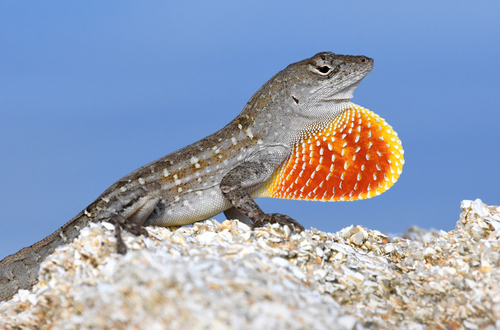
Florida, US
Puedes ver Anolis Castaño, Shiny-Leaved Wild Coffee y Firebush.
Ver guía →
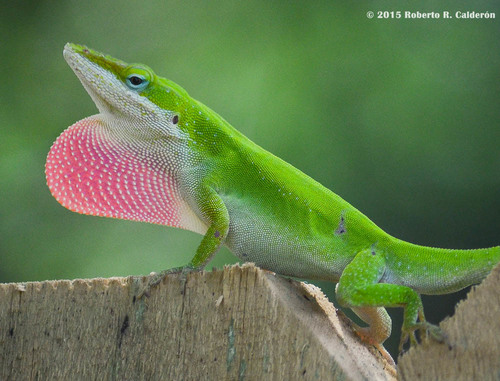
California, US
Puedes ver Anolis Verde, Chinese Privet y Pato Criollo.
Ver guía →
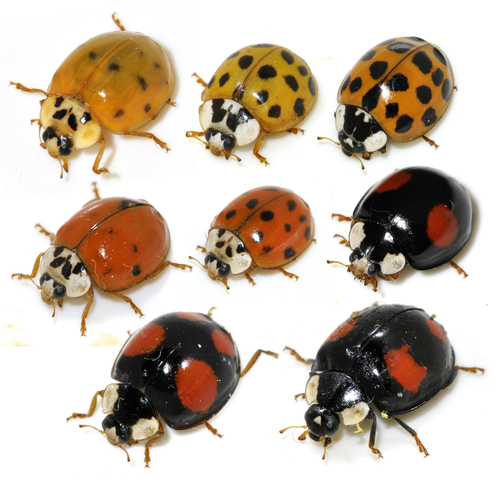
Texas, US
Puedes ver Mariquita Asiática, American Bumble Bee y Cardenal Norteño.
Ver guía →

Alabama, US
Puedes ver Common Eastern Bumble Bee, Eastern Carpenter Bee y Pond Slider.
Ver guía →

Florida, US
Puedes ver False Rosemary, Florida Rosemary y Sanderling.
Ver guía →