






Julia Heliconian
Dryas iulia
The Julia Heliconian is a beautiful butterfly with bright orange wings. They love to flutter around flowers and are often found in sunny places, making them a delightful sight in nature.
Hábitat: Tropical forests
The Julia Heliconian is a vibrant, slender butterfly with long, narrow wings primarily bright orange. Its upper wing surface features black markings, especially on the wingtips and a thin border, making it visually distinct from many other orange butterflies.
Categoría
InsectosRareza
Common
Peligro
1/5 · Muy bajo
Snaps
¡Sé la primera persona en hacer un snap!
Julia Heliconians use their antennae to smell for tasty flowers.
Their spiky caterpillars are also bright orange and black.
They often sleep upside down, hanging from leaves at night!
This butterfly loves to sunbathe to warm up for flying fast.
Julia Heliconian has toxic chemicals in its body because of its diet, which helps them deter predators from eating them.
Julia Heliconian can digest pollen to gain extra nutrients, which helps them live much longer than most other butterflies.
Julia Heliconian has bright orange wings that helps them warn predators they are poisonous, making animals avoid them.
Adult Julia Heliconians sip flower nectar and pollen; their caterpillars munch on passionflower leaves.
Diferencias por edad: Larvae eat passionflower leaves, while adults primarily consume nectar and pollen.

Passiflora incarnata
Larvae feed exclusively on its leaves.
Anolis carolinensis
Lizards may try to eat them, but find them unpalatable.
.jpg&width=800)
Lantana camara
Adults visit its flowers for nectar, helping pollination.
Araneus diadematus
Some spiders may catch them in webs, despite their toxicity.
Colorido describe a organismos u objetos que exhiben una amplia variedad de colores brillantes y distintivos.
Este rasgo caracteriza a los organismos cuya dieta consiste total o principalmente en material vegetal.
Describe plantas que son particularmente atractivas y beneficiosas para una amplia variedad de organismos polinizadores.
Este rasgo caracteriza a los organismos con una esperanza de vida excepcionalmente larga en comparación con otros de su especie.

Los animales diurnos están activos principalmente durante el día y suelen descansar o dormir por la noche.

Los animales migratorios emprenden movimientos estacionales de una región a otra, típicamente en respuesta a cambios en el clima o la disponibilidad de alimentos.

Describe organismos que transfieren polen, permitiendo la fertilización y reproducción de las plantas.
Peligro
1/5 · Muy bajo
Always watch butterflies from a distance to keep them safe.
70-95 mm
25-35 mm
60-90 días
20 km/h
Adult Julia Heliconians sip flower nectar and pollen; their caterpillars munch on passionflower leaves.
Tropical forests
Foraging
6
Acércate para separar los grupos y explorar dónde se ha fotografiado este objeto.
Los snaps recientes aparecerán aquí a medida que se añadan nuevas observaciones.
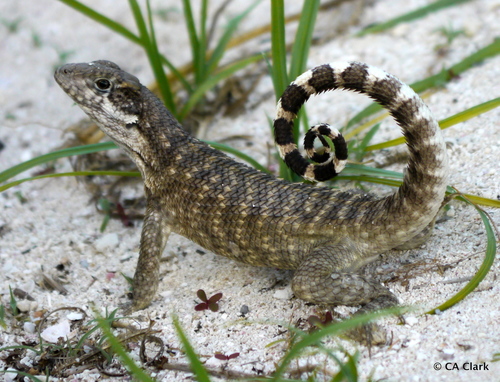
Florida, US
Puedes ver Northern Curly-Tailed Lizard, Iguana Verde y Triangle Cactus.
Ver guía →
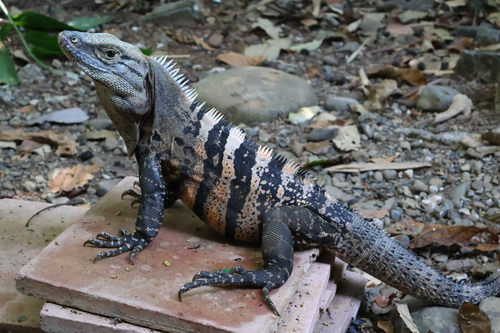
Florida, US
Puedes ver Black Spiny-Tailed Iguana, Anolis Castaño y Sea Grape.
Ver guía →














