






Mountain Oxytrope
Oxytropis oreophila
The Mountain Oxytrope is a beautiful plant that grows in high mountain areas. It has lovely purple flowers that bloom in spring and attract many tiny insects.
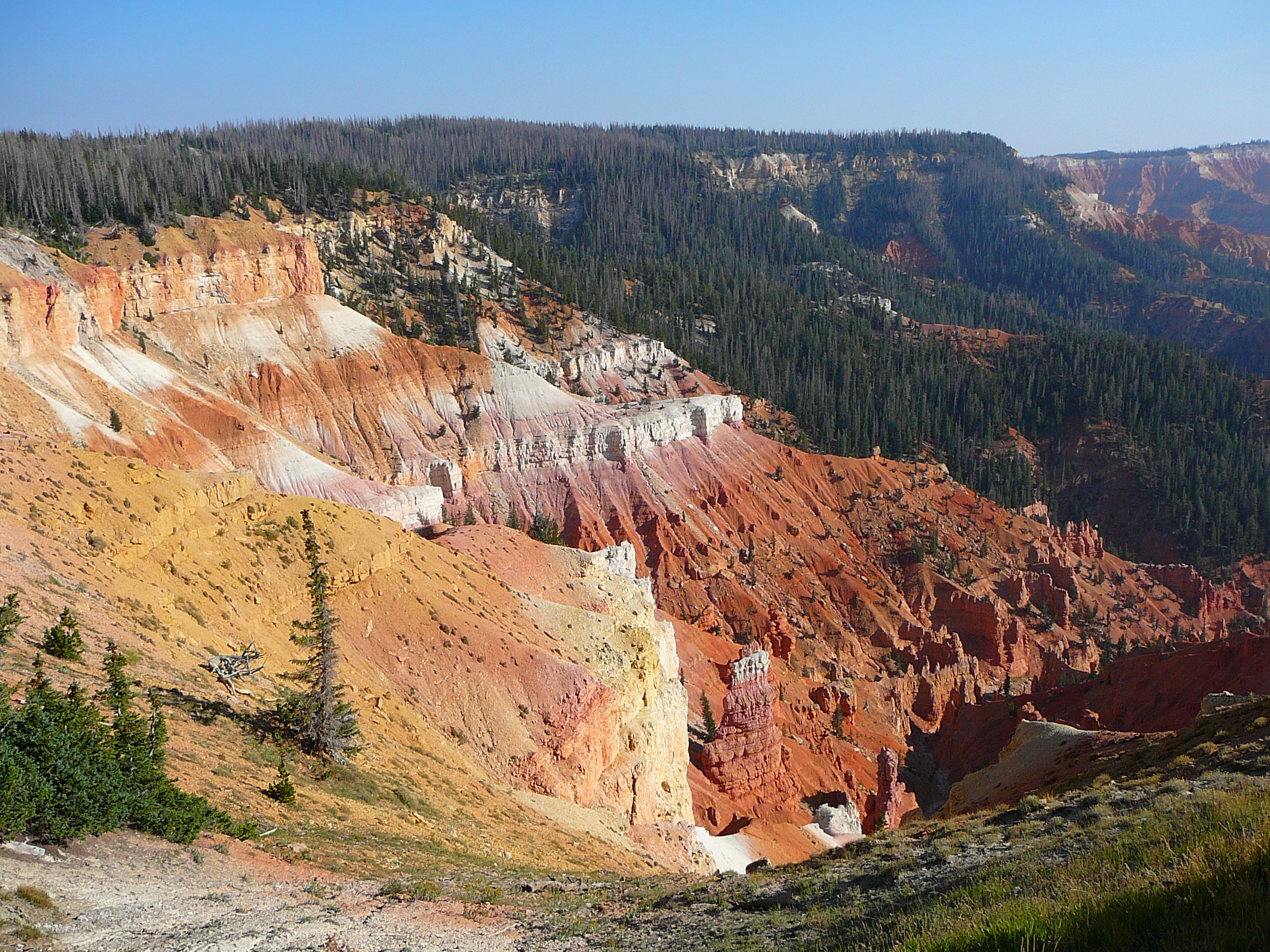
Hábitat: Mountain regions
The Mountain Oxytrope is a low-growing plant forming dense cushions of silvery-green, hairy leaves. Its vibrant purplish-pink or lavender flowers, shaped like tiny peas, bloom in clusters, standing out against rocky alpine slopes.
Categoría
PlantasRareza
Common
Peligro
1/5 · Muy bajo
Snaps
¡Sé la primera persona en hacer un snap!
Even though it's small, a patch of Mountain Oxytrope helps prevent soil from washing away on slopes!
Its seeds have tough coats, allowing them to survive long winters before sprouting in spring.
Some tiny alpine beetles use its flowers as a cozy shelter from cold mountain winds.
This tough plant can live for many years, patiently waiting for summer in chilly mountain tops!
Mountain Oxytrope has fuzzy leaves and a low growth habit that helps it survive harsh winds and freezing temperatures in high mountains.
Mountain Oxytrope has special root nodules that help it pull nitrogen from the air, enriching poor mountain soil for other plants.
Mountain Oxytrope has strong, deep taproots that help it stay firmly anchored on steep, rocky slopes and find water far below.
Bombus occidentalis
Visits flowers for nectar and pollen.
.jpg&width=800)
Marmota caligata
Graze on its leaves and flowers in alpine areas.
Oreamnos americanus
Browses on alpine plants including this oxytrope.
Describe a los organismos capaces de convertir el nitrógeno atmosférico en compuestos utilizables por las plantas.
Las plantas con flores son cualquier planta que produce flores como parte de su ciclo reproductivo.
Las plantas de floración primaveral producen sus flores durante la temporada de primavera, lo que a menudo significa el final del invierno y el comienzo de un nuevo crecimiento.
Las plantas resistentes al frío son capaces de soportar bajas temperaturas y condiciones de congelación sin sufrir daños significativos.

Describe plantas que son particularmente atractivas y beneficiosas para una amplia variedad de organismos polinizadores.

Este rasgo de hábitat identifica a las especies que se encuentran en regiones montañosas, caracterizadas por su gran altitud, pendientes pronunciadas y zonas climáticas variables.

Describe una especie cuya presencia y papel tienen un efecto desproporcionadamente grande en su entorno.
Todavía no hay alias listados.
Peligro
1/5 · Muy bajo
Always look but don't touch wild plants, as some can be delicate.
5-20 cm
10-30 cm
1-2 cm
Summer (June-August)
No
Ninguna
Perenne
Insectos
Acércate para separar los grupos y explorar dónde se ha fotografiado este objeto.
Los snaps recientes aparecerán aquí a medida que se añadan nuevas observaciones.







.jpg&width=800)








