multiflora rose
Rosa multiflora
Multiflora rose is a pretty plant with lots of small, colorful flowers. It grows in bushes and can be found in many places, making it a favorite for gardens and nature walks.
Hábitat: Urban areas, fields, and gardens
The multiflora rose is a dense, arching shrub with thorny stems and clusters of small, five-petaled white or pale pink flowers. Unlike many garden roses, its flowers are abundant and grow in dense groups along the branches, followed by tiny, bright red hips.
Categoría
PlantasRareza
Common
Peligro
2/5 · Bajo
Snaps
¡Sé la primera persona en hacer un snap!
A single multiflora rose bush can produce millions of tiny seeds, spreading easily!
It was brought to North America to help control erosion and create 'living fences'!
Its bright red fruit, called hips, are a superfood for birds in winter!
Some people make tasty jams and teas from its rose hips!
Multiflora rose has sharp, hooked thorns that protect its stems and leaves from hungry animals.
This rose can grow incredibly fast, quickly covering open ground and outcompeting other plants for space.
Its small, bright red hips contain many seeds that birds eat and then scatter far and wide.
Turdus migratorius
Hips provide vital winter food for many bird species.
Apis mellifera
Bees and other insects gather nectar, aiding the plant's reproduction.
Cardinalis cardinalis
Dense, thorny thickets offer safe nesting and hiding places.
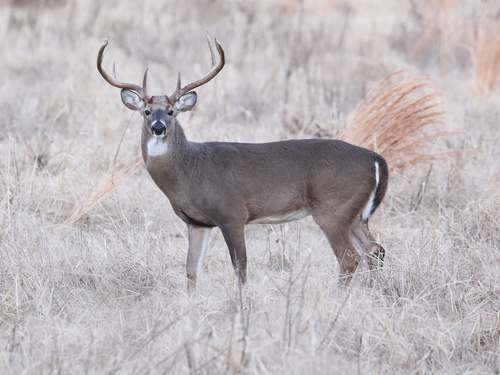
Odocoileus virginianus
Deer browse on the leaves, especially new growth.
Las plantas caducifolias pierden periódicamente todas sus hojas, por lo general durante el otoño o las estaciones secas.
Las plantas con flores son cualquier planta que produce flores como parte de su ciclo reproductivo.
Un arbusto es una planta leñosa más pequeña que un árbol, típicamente con múltiples tallos que se ramifican desde o cerca del suelo.
Las plantas de floración de verano producen sus flores durante la temporada estival, a menudo aportando un color vibrante cuando muchas otras plantas ya han terminado de florecer.

Las flores fragantes emiten un aroma agradable, a menudo para atraer polinizadores o como defensa.

Colorido describe a organismos u objetos que exhiben una amplia variedad de colores brillantes y distintivos.

Las plantas de crecimiento rápido exhiben tasas de crecimiento aceleradas, aumentando rápidamente de tamaño y biomasa en un corto período de tiempo.

Describe plantas que son particularmente atractivas y beneficiosas para una amplia variedad de organismos polinizadores.

Esta característica de hábitat indica especies que pueden coexistir con los humanos en entornos urbanos y suburbanos, utilizando estructuras artificiales y espacios verdes.

Las especies invasoras son organismos no nativos que causan daños al medio ambiente, la economía o la salud humana.
Peligro
2/5 · Bajo
Be careful when touching the plant, as it has thorns that can prick your skin.
300-500 cm
300-600 cm
1.5-4 cm
Late spring to early summer
Sí
Ninguna
Perenne
Insectos
Acércate para separar los grupos y explorar dónde se ha fotografiado este objeto.
Los snaps recientes aparecerán aquí a medida que se añadan nuevas observaciones.
.jpg)
Maryland, US
Puedes ver Ciervo De Cola Blanca, Japanese Knotweed y Mariquita Asiática.
Ver guía →
New Jersey, US
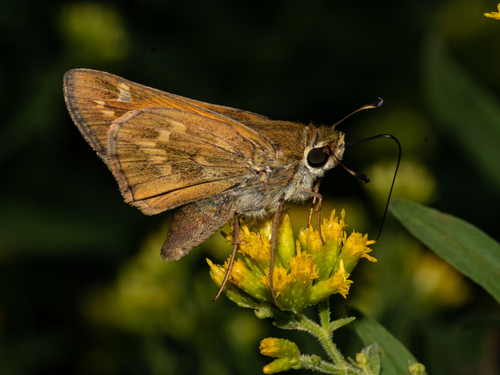
Puedes ver Huron Skipper, Garza Azulada y Petirrojo Americano.
Ver guía →
Virginia, US
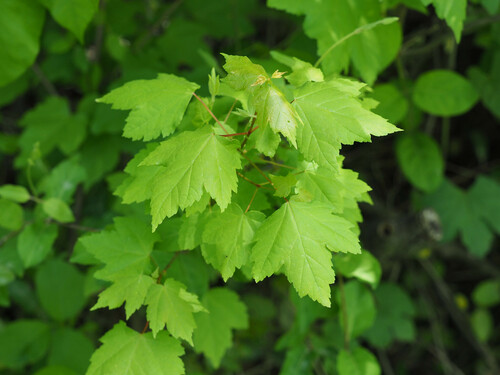
Puedes ver Arce Rojo, Spotted Lanternfly y Cardenal Norteño.
Ver guía →

New York, US
Puedes ver Common Dandelion, Red Deadnettle y Broad-Leaved Dock.
Ver guía →

Virginia, US
Puedes ver Summer Snowflake, Lesser Celandine y Mapleleaf Viburnum.
Ver guía →
Pennsylvania, US
Puedes ver Ciervo De Cola Blanca, Barnacla Canadiense y Garza Azulada.
Ver guía →