






Nevada Bumble Bee
Bombus nevadensis
The Nevada Bumble Bee is a fuzzy little insect that loves to buzz around flowers. They help plants grow by spreading pollen while they collect nectar for their yummy food.
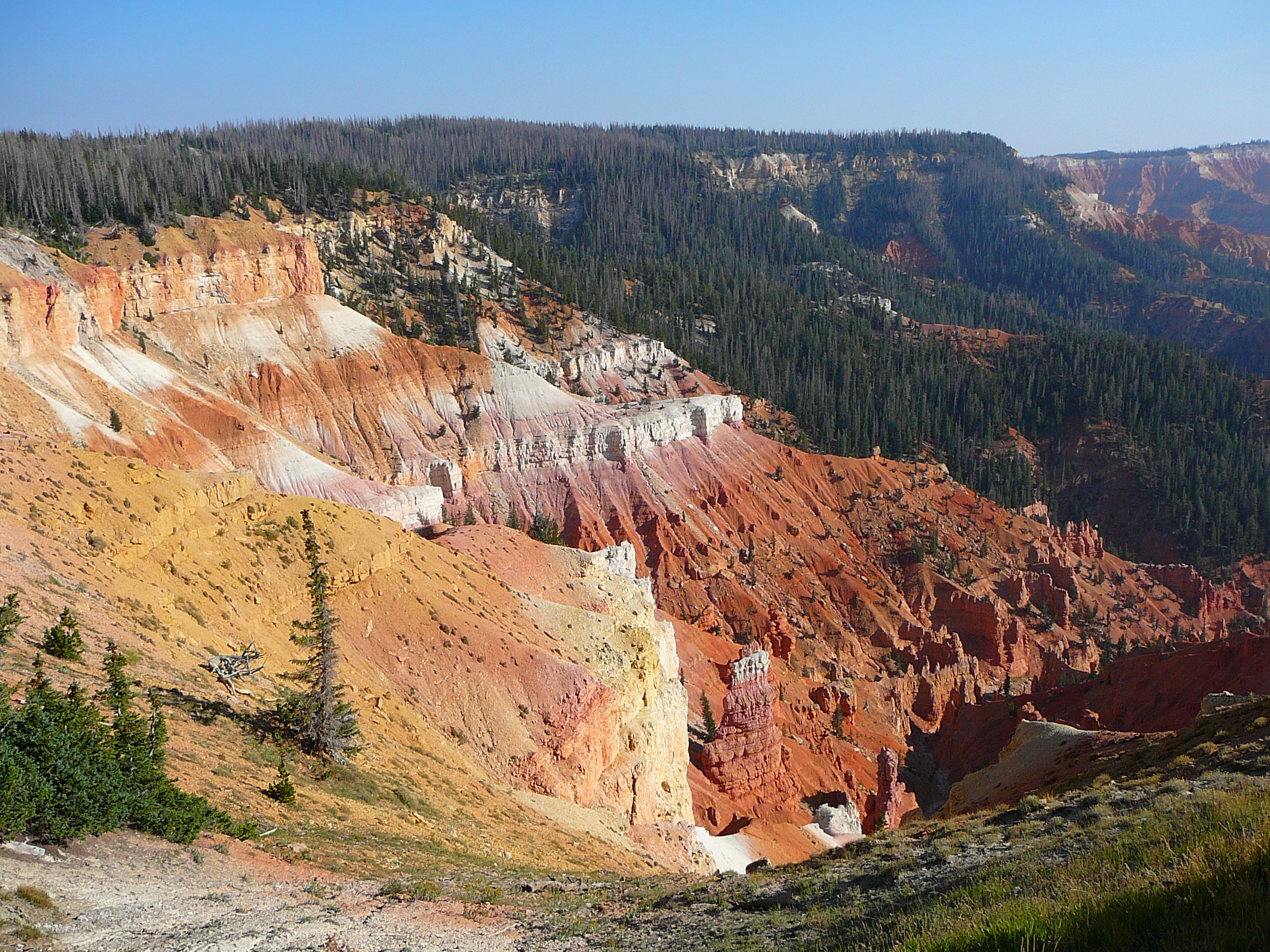
Hábitat: Mountain regions
The Nevada Bumble Bee is a large, robust bee often covered in dense yellow fur, especially on its head and thorax. Its abdomen typically appears black, providing a striking contrast to its bright yellow front. It has a relatively long face and proboscis.
Categoría
InsectosRareza
Common
Peligro
2/5 · Bajo
Snaps
¡Sé la primera persona en hacer un snap!
Bumble bees don't 'dance' to tell others about food; instead, they communicate using scents and touch!
Only the queen bumble bee lives through winter, waking up to start an entire new colony all alone!
Their small nests only hold enough honey for a few days, so they don't make much honey for people!
Unlike honeybees, these bees can sting more than once because their stinger is smooth, not barbed!
Nevada Bumble Bee can 'buzz pollinate' certain flowers by vibrating its flight muscles, which helps shake out hard-to-reach pollen.
Nevada Bumble Bee has a super-long tongue (proboscis), allowing it to reach nectar hidden deep inside long, tubular flowers.
Nevada Bumble Bee has a furry body and can shiver its muscles to warm up, allowing it to fly and forage on cooler days.
These fuzzy bees sip sweet nectar for energy and collect pollen for protein!
Lupinus argenteus
A key wildflower providing nectar and pollen.

Trifolium pratense
A common flower it visits for food.
Bombus insularis
Invades nests and lays its own eggs.
.jpg&width=800)
Tyrannus verticalis
An insectivorous bird that sometimes preys on bees.
Peludo describe a los animales que poseen una cubierta densa de pelo o pelaje suave.
Los animales sociales viven en grupos organizados, cooperando para obtener beneficios de supervivencia como la búsqueda de alimento, la defensa y la cría de descendencia.
Este rasgo caracteriza a los organismos cuya dieta consiste total o principalmente en material vegetal.
Describe plantas que son particularmente atractivas y beneficiosas para una amplia variedad de organismos polinizadores.

Este rasgo de hábitat identifica a las especies que se encuentran en regiones montañosas, caracterizadas por su gran altitud, pendientes pronunciadas y zonas climáticas variables.

Los animales diurnos están activos principalmente durante el día y suelen descansar o dormir por la noche.

Describe una especie cuya presencia y papel tienen un efecto desproporcionadamente grande en su entorno.

Describe organismos que transfieren polen, permitiendo la fertilización y reproducción de las plantas.
Todavía no hay alias listados.
Peligro
2/5 · Bajo
Bumble bees are friendly and won't sting unless they feel scared. Just watch them from a distance!
22-40 mm
15-25 mm
25-365 días
15 km/h
These fuzzy bees sip sweet nectar for energy and collect pollen for protein!
Mountain regions
Foraging
6
Acércate para separar los grupos y explorar dónde se ha fotografiado este objeto.
Los snaps recientes aparecerán aquí a medida que se añadan nuevas observaciones.








%2C_underside.jpg&width=800)

.jpg&width=800)



