






Northern Paper Wasp
Polistes fuscatus
The Northern Paper Wasp is a friendly insect that makes its home in paper-like nests. They are important for helping flowers grow by spreading pollen while they search for food.
Hábitat: Urban areas
The Northern Paper Wasp has a slender, dark reddish-brown to black body with distinct yellow bands on its abdomen. Its long legs hang down during flight, making it visually distinct from bees or yellowjackets. Its face may have variable yellow markings.
Categoría
InsectosRareza
Common
Peligro
2/5 · Bajo
Snaps
¡Sé la primera persona en hacer un snap!
A single queen paper wasp starts a new colony all by herself each spring!
Adult wasps drink flower nectar and sweet honeydew for a quick energy boost!
They hang their umbrella-shaped nests by a tiny single stalk, often under eaves!
Wasp larvae are fed a protein-rich diet of chewed-up caterpillars and insects!
Northern Paper Wasps can build impressive umbrella-shaped nests from chewed wood fibers mixed with their saliva, which protects their young.
Northern Paper Wasps have a potent sting used to defend their colony and paralyze prey, making them formidable defenders.
Northern Paper Wasps can recognize individual nest mates by their unique facial patterns, which helps maintain social order.
Adults sip sweet nectar for energy, while their young feast on chewy insects.
Diferencias por edad: Adults primarily consume carbohydrates (nectar, honeydew), while larvae are fed protein-rich chewed insects by foraging adults.
Malacosoma americanum
Wasps hunt these caterpillars to feed their developing larvae.

Pica hudsonia
Birds like magpies may raid wasp nests for eggs, larvae, or adults.
Solidago canadensis
Adult wasps visit goldenrod flowers to collect nectar, aiding pollination.
Marcado con bandas paralelas o líneas de color.
Los animales sociales viven en grupos organizados, cooperando para obtener beneficios de supervivencia como la búsqueda de alimento, la defensa y la cría de descendencia.
Este rasgo identifica organismos cuya dieta incluye tanto materia vegetal como animal.
Colorido describe a organismos u objetos que exhiben una amplia variedad de colores brillantes y distintivos.

Describe plantas que son particularmente atractivas y beneficiosas para una amplia variedad de organismos polinizadores.

Los animales diurnos están activos principalmente durante el día y suelen descansar o dormir por la noche.

Describe una especie cuya presencia y papel tienen un efecto desproporcionadamente grande en su entorno.

Esta característica de hábitat indica especies que pueden coexistir con los humanos en entornos urbanos y suburbanos, utilizando estructuras artificiales y espacios verdes.

Describe organismos que transfieren polen, permitiendo la fertilización y reproducción de las plantas.
Todavía no hay alias listados.
Peligro
2/5 · Bajo
If you see a wasp, watch it from a distance and don’t bother its nest.
25-35 mm
15-20 mm
20-365 días
20 km/h
Adults sip sweet nectar for energy, while their young feast on chewy insects.
Urban areas
Foraging
6
Acércate para separar los grupos y explorar dónde se ha fotografiado este objeto.
Los snaps recientes aparecerán aquí a medida que se añadan nuevas observaciones.
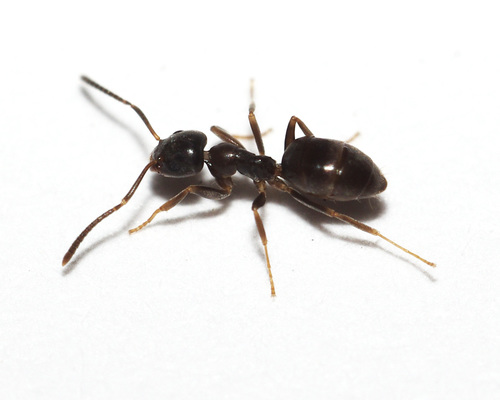
Virginia, US
Puedes ver Hormiga Casera Olorosa y Willow Leaf Beetle.
Ver guía →
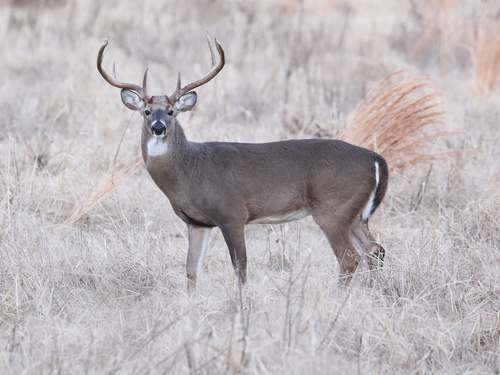
Maryland, US
Puedes ver Ciervo De Cola Blanca, Oriental Bittersweet y Multiflora Rose.
Ver guía →

Virginia, US
Puedes ver Conifers, Virginia Creeper y Nogal Negro.
Ver guía →

















