






Northern Red-legged Frog
Rana aurora
The Northern Red-legged Frog is a small, colorful frog with bright red legs. They love to hop around in wet places and are great at blending in with their surroundings.
Hábitat: Wetlands
The Northern Red-legged Frog has a reddish-brown back with scattered dark spots and a lighter, mottled underside. Its most distinctive feature is the reddish color on the underside of its hind legs and lower belly. It has relatively smooth skin, distinguishing it from warty toads.
Categoría
AnfibiosRareza
Common
Peligro
1/5 · Muy bajo
Snaps
¡Sé la primera persona en hacer un snap!
Baby red-legged frogs, called tadpoles, eat algae before growing their legs and lungs!
Their large egg masses, laid in water, can contain over a thousand tiny eggs!
These frogs perform a 'release call' if accidentally grabbed by another male!
They use their amazing eyesight to spot delicious insects in low light.
Northern Red-legged Frogs can breathe through their moist skin that helps them absorb oxygen directly from water.
Northern Red-legged Frogs has powerful hind legs that help them jump over 2 meters to escape danger or catch prey.
Northern Red-legged Frogs has a long, sticky tongue that helps them quickly snatch insects from the air.
Northern Red-legged Frogs can stay submerged for a long time because their skin absorbs oxygen, helping them hide.
These frogs are hunters, eating many small creatures they can catch with their quick tongue!
Diferencias por edad: Tadpoles are primarily herbivorous, feeding on algae and detritus before becoming carnivorous adults.
Thamnophis sirtalis
A frequent predator of frogs and tadpoles.

Ardea alba
Wading birds often hunt frogs in shallow waters.
_female.jpg&width=800)
Libellula depressa
Adult frogs hunt various insects, including dragonflies.
Lumbricus terrestris
Frogs forage for worms and other invertebrates.
Los animales solitarios viven solos durante la mayor parte de su vida y solo interactúan con otros para aparearse o cuidar de sus crías.
El camuflaje describe a los organismos que poseen colores o patrones que les permiten mezclarse con su entorno.
Colorido describe a organismos u objetos que exhiben una amplia variedad de colores brillantes y distintivos.
Este rasgo identifica a los organismos cuya dieta consiste principalmente en insectos y otros pequeños invertebrados.

Este rasgo de hábitat identifica especies que se encuentran en humedales, que son áreas de tierra saturadas de agua, ya sea permanente o estacionalmente, e incluyen marismas, pantanos y ciénagas.

Los hábitats de agua dulce incluyen entornos acuáticos no salinos como ríos, lagos, estanques y humedales, vitales para numerosas especies.

Los animales diurnos están activos principalmente durante el día y suelen descansar o dormir por la noche.

El estado de amenazado indica que es probable que una especie pase a estar en peligro de extinción en el futuro cercano si no se toman medidas efectivas de conservación.

Describe organismos que transfieren polen, permitiendo la fertilización y reproducción de las plantas.
Todavía no hay alias listados.
Peligro
1/5 · Muy bajo
Always wash your hands after touching frogs, as they can have sensitive skin.
4-10 cm
0.01-0.05 kg
5-7 años
8 km/h
These frogs are hunters, eating many small creatures they can catch with their quick tongue!
Wetlands
Ambush
750-1500
Acércate para separar los grupos y explorar dónde se ha fotografiado este objeto.
Los snaps recientes aparecerán aquí a medida que se añadan nuevas observaciones.

Washington, US
Puedes ver Araña De Jardín, Pato y Fringed Willowherb.
Ver guía →

British Columbia, CA
Puedes ver Broad-Leaved Stonecrop, Salal y Pacific Sanicle.
Ver guía →

British Columbia, CA
Puedes ver águila Calva, Ghost Pipe y Salmonberry.
Ver guía →
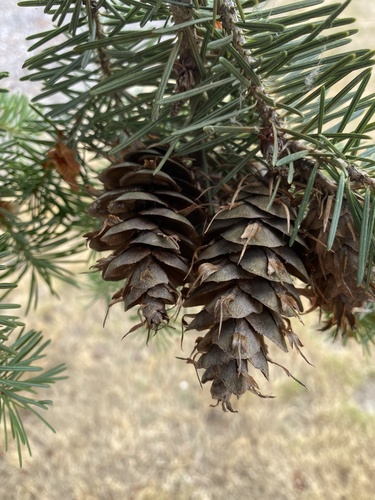
British Columbia, CA
Puedes ver Abeto De Douglas, Purple Foxglove y Oregon Oak.
Ver guía →

British Columbia, CA
Puedes ver Western Skunk Cabbage, Western Sword Fern y Matamoscas.
Ver guía →

British Columbia, CA
Puedes ver Babosa Banana, Western Sword Fern y Red Huckleberry.
Ver guía →














