






Pelagic Cormorant
Urile pelagicus
The Pelagic Cormorant is a sleek, black bird that loves to dive underwater to catch fish. You can often see them perched on rocks or floating on the ocean waves, showing off their beautiful greenish eyes.
Hábitat: Coastal areas
The Pelagic Cormorant is a slender, medium-sized seabird with glossy, iridescent dark green and purplish-blue feathers. It has a small head, a long, thin neck, and a slender, hooked bill. In breeding season, it sports two distinct white flank patches and a double crest, distinguishing it from other cormorants.
Categoría
AvesRareza
Common
Peligro
1/5 · Muy bajo
Snaps
¡Sé la primera persona en hacer un snap!
After a dive, they stretch out their wings to sun-dry their feathers, looking like tiny caped heroes!
Baby Pelagic Cormorants are born without feathers and look like little black dinosaurs!
These amazing birds can dive over 50 meters deep to catch their favorite meals!
They use a special throat pouch to carry multiple fish back to their hungry chicks.
Pelagic Cormorant can propel itself underwater using powerful webbed feet, helping them chase fast-moving fish.
Pelagic Cormorant has special glands near its eyes that filter out salt, helping them drink seawater without harm.
Pelagic Cormorant has wettable feathers that reduce buoyancy, helping them dive deeper and hunt more efficiently underwater.
Pelagic Cormorant can build stick nests on narrow cliff ledges, providing safe havens from predators.
These diving birds mostly eat small fish and marine invertebrates from coastal waters.
Diferencias por edad: Young birds are fed by parents and gradually learn to hunt for themselves.
Haliaeetus leucocephalus
Eagles sometimes prey on eggs and young chicks.

Larus glaucescens
Gulls raid nests for eggs and small chicks.
Ammodytes hexapterus
A primary food source, often hunted in schools.
Clupea pallasii
Regularly dives for herring in coastal waters.
Describe a los animales, principalmente aves, que poseen una cubierta de plumas.
Se caracteriza por tener los dedos conectados por una membrana, lo que generalmente ayuda a nadar.
Los animales solitarios viven solos durante la mayor parte de su vida y solo interactúan con otros para aparearse o cuidar de sus crías.
Los organismos piscívoros son animales que subsisten principalmente de una dieta a base de peces.

Los hábitats costeros son entornos dinámicos situados a lo largo de la interfaz entre la tierra y el mar, influenciados por las mareas, las olas y el agua salada.

Este rasgo identifica a los organismos cuya dieta consiste total o principalmente en tejido animal.

Los animales diurnos están activos principalmente durante el día y suelen descansar o dormir por la noche.

Los hábitats acuáticos abarcan entornos donde los organismos viven principalmente en el agua, incluidos océanos, ríos, lagos y humedales.

Los hábitats marinos abarcan todos los entornos de agua salada de los océanos de la Tierra, sustentando una inmensa diversidad de vida acuática.
Todavía no hay alias listados.
Peligro
1/5 · Muy bajo
Always watch birds from a distance and don't try to touch them.
63-76 cm
91-107 cm
1.5-2.5 kg
15-20 años
60 km/h
These diving birds mostly eat small fish and marine invertebrates from coastal waters.
Coastal areas
Pursuit
Acércate para separar los grupos y explorar dónde se ha fotografiado este objeto.
Los snaps recientes aparecerán aquí a medida que se añadan nuevas observaciones.
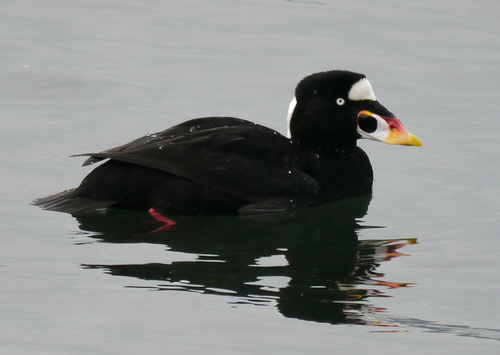
Washington, US
Puedes ver Surf Scoter, Eastern Cottontail y Rosa Silvestre.
Ver guía →
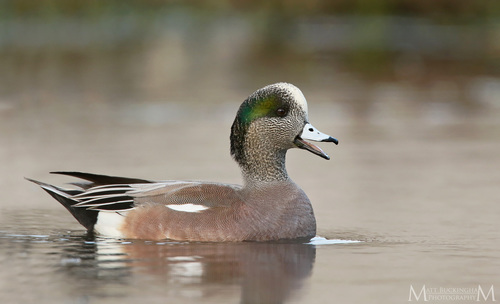
Washington, US
Puedes ver American Wigeon, Madrone Skin Miner y Ardilla Gris Oriental.
Ver guía →
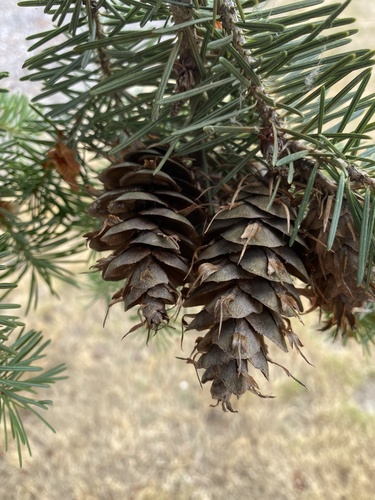
British Columbia, CA
Puedes ver Abeto De Douglas, Pacific Madrone y Tritón De Piel Rugosa.
Ver guía →

British Columbia, CA
Puedes ver Golondrina Común, Pelagic Cormorant y León Marino.
Ver guía →

British Columbia, CA
Puedes ver Ochre Sea Star, Babosa Banana y Aggregating Anemone.
Ver guía →
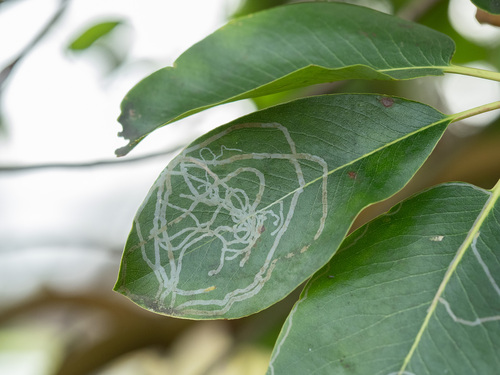
Washington, US
Puedes ver Madrone Skin Miner, Pacific Madrone y Rhododendron Leafhopper.
Ver guía →









%2C_Point_Lobos%2C_CA%2C_US_-_May_2013.jpg&width=800)


